
Quick Summary
The cost of a dental crown depends on the tooth being treated, the material selected, the amount of healthy tooth structure remaining, and any additional treatment needed before the crown can be placed. Laboratory work, tooth preparation, a buildup, or root canal can also affect the final fee.
The dental crown treatment cost is not a single fixed number for every patient. A crown is custom-made, and the final fee reflects the condition of the tooth, the material selected, the amount of preparation required, and any related care needed before the restoration can be placed.
What Goes Into the Cost of a Dental Crown?
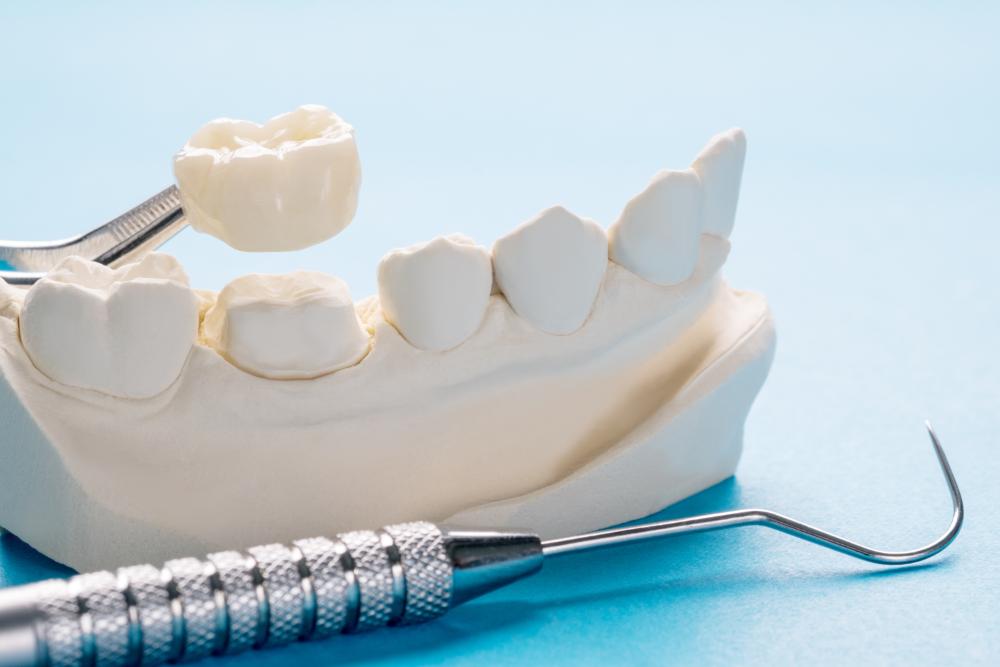
A dental crown is more than a custom-made cap placed over a tooth. Treatment may involve an examination, X-rays or other imaging, removal of decay, tooth preparation, digital scanning or impressions, fabrication of a temporary crown, laboratory work and final placement.
The amount of work required depends on the condition of the tooth. A relatively intact tooth may need straightforward preparation, while a severely damaged tooth may require additional restorative work before it can support a crown.
The laboratory stage can also vary. Crowns are fabricated to match the shape, color and bite of the individual tooth, and some cases require more detailed customization than others.
Crown Material Can Affect the Fee
Dental crowns can be made from different materials, including ceramic and porcelain-based options. Material choice depends on appearance, tooth position, bite forces, available space, and the clinical situation. Laboratory techniques and the degree of customization can also affect cost.
For patients focused heavily on appearance, we may discuss porcelain crowns and other ceramic choices that are designed to blend with surrounding teeth. The most appropriate material is selected for the tooth rather than simply choosing the least or most expensive option.
The Condition of the Tooth Matters
The amount of healthy tooth structure left after decay, fracture or an old restoration has been removed can significantly affect treatment.
A tooth with adequate structure may only need routine preparation. If substantial structure is missing, a buildup may be necessary to create a stable foundation for the crown. Decay, cracks, or a failing restoration may also need to be treated first.
The condition of the pulp matters as well. If the tissue inside the tooth is infected or irreversibly inflamed, root canal treatment may be necessary before the crown. This adds a separate procedure to the overall treatment plan.
How Root Canal Treatment Can Change the Total
A root canal and a crown are different procedures, even though they are often discussed together. Root canal treatment cleans and seals the internal canal system. The crown protects and restores the remaining external tooth structure.
Not every crowned tooth needs a root canal. We recommend endodontic treatment only when the condition of the pulp and tooth indicates it is necessary. Separating those procedures in the estimate makes it easier to understand what you are paying for.
Does Dental Insurance Cover Crowns?
Dental insurance coverage varies from one plan to another. Deductibles, annual maximums, waiting periods, frequency limitations, network requirements, and the reason for treatment can all affect the amount covered.
A benefits summary may state that a plan covers a certain percentage of crowns, but that does not necessarily mean the insurer will pay that percentage of the entire dental office fee. Plans may calculate coverage using an allowed amount or other contractual limits.
Before treatment, review the proposed procedure and insurance estimate with the dental office. If treatment needs to be phased or financing is being considered, knowing the clinical priorities and expected patient portion can make financial planning easier.
Why a Consultation Is More Useful Than an Online Average
Online crown prices can give a general idea, but they rarely reflect the details that determine the actual fee. The tooth’s condition, selected material, laboratory work, additional procedures, insurance arrangement and local practice standards can all change the final amount.
A consultation also answers a more important question: Does the tooth actually need a crown?
A severely weakened tooth may require a crown to reduce the risk of further damage. In another case, enough healthy structure may remain for a more conservative restoration to work well. Choosing the appropriate treatment is more useful than selecting an option based only on its initial cost.
Frequently Asked Questions
Why do dental crown prices vary so much?
Several factors can change the total, including the material, condition and location of the tooth, laboratory customization, preparation required and any additional procedures. Insurance benefits can also affect the amount a patient pays out of pocket.
Is a crown always more expensive than a filling?
A crown generally requires more preparation, customization and fabrication than a direct filling, so it typically costs more. The better choice depends on how much tooth structure remains, the location of the tooth, and the forces it needs to withstand.
Can I get an exact crown cost before treatment?
An examination and any necessary imaging can establish what treatment the tooth requires. From there, the dental team can explain the recommended procedure, material options, and estimated fees. The amount ultimately covered by insurance depends on the terms of the individual plan.
Get a Personalized Dental Crown Estimate
The most useful answer to “How much does a dental crown treatment cost?” comes from examining the tooth. Our Midtown Manhattan team can explain the restoration, material options, related treatment, and expected fees so you can make a decision based on your actual clinical needs rather than a generic online average.