
Quick Summary
Most patients can return to work or school after a routine root canal performed with local anesthesia, although the mouth may remain numb for several hours. Mild tenderness can occur for a few days, and physically demanding work may be less comfortable on the day of treatment. Sedation, prescription medication, or a more complex procedure can change the recovery plan, so follow the instructions given for your specific appointment.
If you are asking, “Can you work after root canal treatment?” the answer is often yes. Many patients return to normal desk work or school the same day after a routine procedure. Your comfort, the type of anesthesia used, your job duties, and the condition of the tooth all influence what makes sense after treatment.
What You May Feel Immediately After a Root Canal
Local anesthetic can leave your lips, cheek, tongue and treated tooth numb for a few hours. Talking may feel unusual, and eating while numb increases the chance of biting your cheek or tongue. It is generally best to wait until normal sensation returns before chewing.
As the anesthetic wears off, the tooth may feel tender when you bite down or touch it. Some soreness is normal, particularly when the tooth was already inflamed or infected. This discomfort does not necessarily prevent you from working, although you may notice it more during a long day.
Your jaw may also feel tired after remaining open during the procedure. That can make extended conversations, presentations or other speaking-heavy tasks less comfortable immediately afterward.
When Returning to Work the Same Day Is Reasonable
Returning to work after a root canal is often reasonable when the appointment involved local anesthesia only and you feel alert and comfortable afterward. Computer work, office duties, studying, writing and other low-physical-demand activities are usually easier to manage than strenuous tasks.
You may still benefit from leaving some flexibility in your schedule. The mouth can remain numb for part of the day, and mild soreness may become more noticeable once the anesthetic fades. A lighter afternoon can be preferable to immediately returning to a demanding schedule.
Consider your actual work environment, too. Someone working from home may find it easy to take short breaks, while a person with back-to-back meetings or a customer-facing role may find the same recovery period more disruptive.
When Taking Time Off May Be a Better Choice
Physical jobs can make same-day recovery less comfortable. Heavy lifting, strenuous activity and other demanding tasks may increase throbbing or make post-treatment soreness more noticeable.
Taking time away from work may also make sense if the tooth had substantial swelling, infection or pain before treatment. More involved root canal procedures can leave the surrounding area tender, particularly when the tooth has been symptomatic for some time.
Sedation is another important consideration. If you receive medication that affects alertness, coordination or judgment, you should not drive or return to work that requires full concentration until it is safe to do so. Some prescription pain medications can also cause drowsiness.
How to Protect the Tooth After Treatment
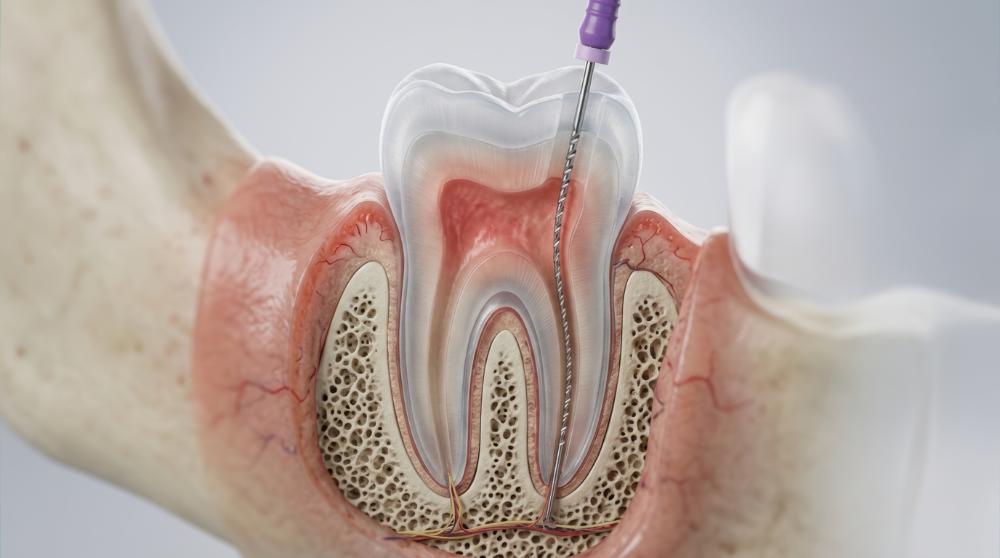
A root canal removes inflamed or infected tissue from inside the tooth, but the tooth still needs to be protected afterward. Until the final restoration is completed, avoid using the treated tooth to bite hard or sticky foods. A temporary filling or crown is not designed to handle the same long-term forces as the final restoration.
Many root-canal-treated teeth are later restored with a dental crown to reinforce the remaining structure. We will explain the timing of that step and any temporary eating restrictions based on your individual treatment.
What Can Make Recovery Take Longer?
Not every tooth responds to treatment in the same way. The amount of inflammation, the severity of the infection, the complexity of the root canal and the amount of pressure placed on the tooth can all influence how you feel afterward.
A tooth that was severely painful before treatment may remain sensitive for a little longer than one treated before significant symptoms developed. Your individual pain response also plays a role.
Contact the dental office if pain becomes severe, swelling develops or gets worse, your bite suddenly feels uneven or a temporary filling or restoration comes out. Persistent or returning symptoms should be assessed rather than ignored.
Plan Your Workday Around Your Appointment
If your schedule is difficult to change, tell us about your work requirements when planning general dentistry treatment. A morning appointment may give you time to recover later in the day, while an afternoon appointment may make it easier to go home afterward. We can also explain what to expect based on the tooth and procedure being planned.
Frequently Asked Questions
Can I drive after a root canal?
Patients who receive local anesthesia alone can often drive afterward if they feel well enough to do so. Sedation is different. If medication affects your alertness or coordination, arrange transportation and follow the instructions from your dental team.
How long does numbness last after a root canal?
Numbness commonly lasts for several hours, although the exact duration depends on the anesthetic, dosage and treatment area. Avoid chewing until normal sensation returns to reduce the risk of accidentally injuring your cheek, lip or tongue.
Can I exercise after a root canal?
Light activity may be comfortable, but strenuous exercise can increase throbbing or discomfort for some patients. Follow your dentist’s advice, especially when the tooth was infected or treatment was complex.
Schedule Root Canal Care in Midtown Manhattan
For many patients, a root canal does not require several days away from work. We can explain your likely recovery based on the tooth, your symptoms, and the treatment plan so you can schedule the appointment with fewer surprises. If you have persistent tooth pain or sensitivity, arrange an evaluation before the problem becomes more difficult to treat.