
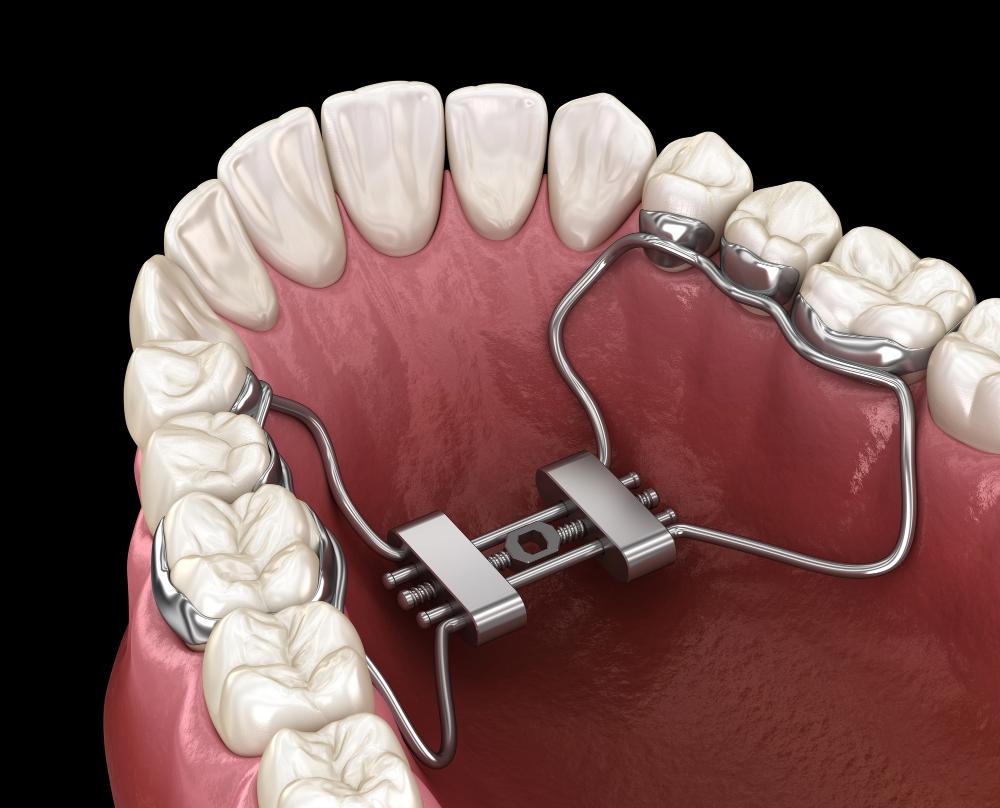
Tooth loss affects more than your smile; it can change how you eat, speak, and feel about yourself. Dental implants remain one of the most effective ways to restore function and appearance. While most people are familiar with endosteal implants, which are inserted directly into the jawbone, not everyone is a candidate for them. That’s where subperiosteal dental implants may be considered.
These specialized implants are a less common but still valid option for patients who lack sufficient bone density in their jaws. Understanding how they function and who they’re designed for can help patients make informed decisions about their oral health.
What Are Subperiosteal Dental Implants?
Subperiosteal implants are different from conventional endosteal implants in both placement and structure. Instead of anchoring into the jawbone, these implants sit on top of it, positioned beneath the gum tissue.
A custom-made metal framework, shaped to fit the contours of the patient’s jaw, is used to support one or more artificial teeth. Small posts protrude through the gums and serve as the anchor points for crowns, bridges, or dentures.
This approach was originally developed for patients with inadequate jawbone who could not undergo bone grafting procedures. Although not as commonly used today due to advancements in grafting techniques and implant design, subperiosteal implants can still play a role in certain restorative plans.
How The Procedure Works
Before the procedure, a detailed scan or impression of the jaw is taken to create a custom-fit framework.
Once ready, the gum is opened to expose the bone, and the metal frame is carefully placed over it. The gum tissue is then stitched back in place, leaving the post or posts exposed above the gums. After healing, prosthetic teeth can be securely attached.
This process is generally performed in two stages: first, to create the mold and then to place the implant. Some newer techniques may allow for imaging-guided, single-stage placement, depending on the patient’s anatomy and the tools available.
Who Might Be a Candidate?
Subperiosteal dental implants are often suited for individuals with significant bone loss who either cannot or prefer not to undergo bone grafting. This may include older adults with resorbed jawbones, patients who have worn dentures for many years, or those with certain medical conditions that affect bone healing.
These implants may also be considered when time constraints, health concerns, or anatomical factors make grafting procedures less desirable. For some patients, this type of implant can be a practical alternative when endosteal placement is not feasible.
Advantages And Limitations
The main advantage of subperiosteal implants lies in their ability to offer a solution for people with minimal jawbone volume. They eliminate the need for grafting, shorten the timeline for tooth restoration, and can still deliver a secure and functional result.
However, they do come with some limitations. Because they rest on the bone rather than integrate with it, the long-term stability may not match that of traditional implants.
There’s also a slightly higher risk of complications, such as infection or discomfort, especially if the implant does not fit well. Careful maintenance and monitoring are necessary to keep the surrounding gums healthy.
Are They Still Common Today?
While subperiosteal implants are not the go-to option today, they have not disappeared from modern dentistry. With improved imaging and custom fabrication, they can be used more effectively than in the past.
Most patients who qualify for implants will still be encouraged to explore endosteal types, especially with the aid of bone grafting techniques. That said, having access to alternatives like subperiosteal implants keeps treatment plans flexible and inclusive.
For individuals with severe bone loss or unique oral conditions, subperiosteal dental implants may still offer a path forward. Although less commonly used, they can support full restorations without relying on traditional implant placement techniques.
If you’ve been told you’re not a candidate for implants due to jawbone loss, exploring this option with a qualified provider may open the door to a more comfortable and confident future.
To learn more about advanced implant techniques or schedule a consultation, visit Dr. Alex Rubinov’s practice, where we help tailor every treatment to your specific needs and goals.