
Quick Summary
Understanding dental crown benefits helps patients appreciate how these restorations protect and preserve damaged teeth. Crowns strengthen weakened teeth, restore chewing function, reinforce teeth after root canal therapy, improve appearance, and assist with tooth replacement treatments. They also offer long-term durability when cared for properly. By addressing damage early, patients can often avoid more extensive procedures and maintain their natural teeth longer. Dental crowns continue to be one of the most effective restorative solutions for improving both oral health and smile aesthetics.
A damaged tooth does not always need to be removed. Modern restorative dentistry offers effective ways to strengthen weakened teeth while preserving as much natural structure as possible. Among the most reliable solutions are dental crowns, which are custom restorations designed to cover and protect compromised teeth.
Knowing dental crown benefits can help patients make informed decisions when facing issues such as fractures, extensive decay, or wear.
Beyond restoring strength, crowns also improve appearance and function. This makes them a versatile treatment option for maintaining both oral health and a confident smile.
What Is a Dental Crown?
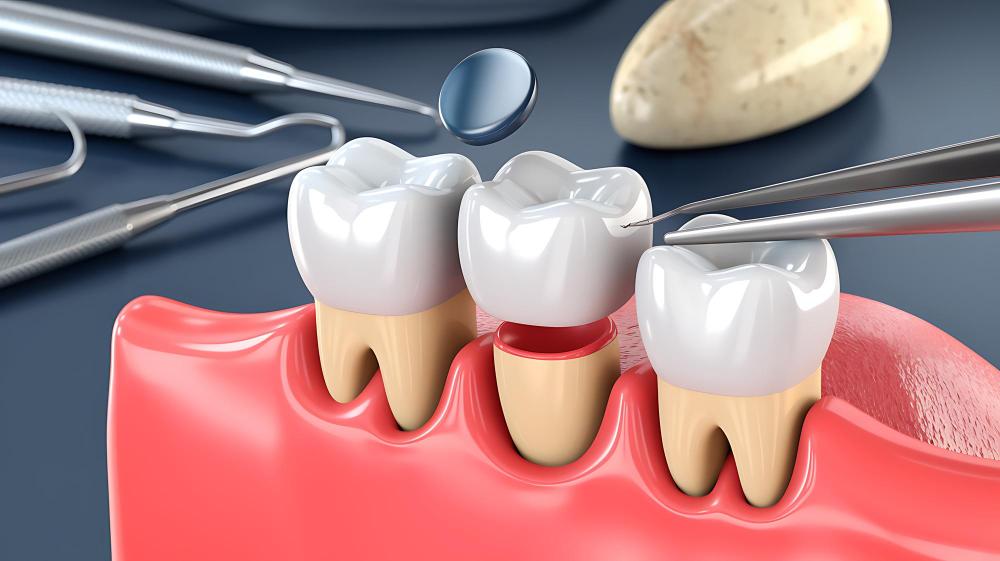
A dental crown is a custom-made cap placed over a tooth that has been damaged, weakened, or restored. It covers the visible portion of the tooth above the gum line and helps restore its shape, strength, and function.
Crowns are commonly made from porcelain, metal alloys, or porcelain fused to metal. The material selected depends on the location of the tooth, aesthetic goals, and functional requirements.
The process typically involves preparing the tooth, taking impressions, placing a temporary crown, and securing the final restoration during a follow-up visit.
Crowns Protect Weakened Teeth From Further Damage
One of the most important dental crown benefits is protection. Teeth with cracks, fractures, large fillings, or extensive decay often become structurally weaker. Everyday chewing forces can place additional stress on these compromised teeth.
A crown acts as a protective covering that distributes biting pressure more evenly across the tooth. This helps reduce the risk of additional fractures and preserves the remaining healthy tooth structure.
Without this added protection, weakened teeth may continue to deteriorate and eventually require more extensive treatment.
Crowns Restore Comfortable Chewing Function
Damage to a tooth can affect more than appearance. It can also interfere with normal chewing and make eating uncomfortable.
A dental crown restores the tooth’s original shape and size, helping it function more effectively during daily activities. Patients often experience improved comfort while eating and greater confidence when using the affected tooth.
Because crowns are custom-designed, they fit naturally within the bite and help maintain proper alignment with surrounding teeth.
Crowns Strengthen Teeth After Root Canal Treatment
Teeth that undergo root canal therapy often become more fragile over time. During treatment, infected pulp tissue is removed from inside the tooth. Although this saves the tooth from extraction, it can leave the remaining structure more susceptible to fractures.
For this reason, dentists frequently recommend a crown after root canal treatment. The crown reinforces the treated tooth and helps protect it from future damage. In many cases, placing a crown significantly improves the long-term outlook of a tooth that has received root canal therapy.
Crowns Improve the Appearance of Damaged Teeth
Dental crowns offer cosmetic advantages in addition to restorative benefits. Teeth affected by chips, cracks, discoloration, or irregular shapes can often be transformed with a carefully designed crown.
Porcelain crowns closely resemble natural enamel, making them a popular choice for visible teeth. The color, shape, and size can be customized to blend seamlessly with the surrounding smile.
For some patients, a smile makeover with crown treatment becomes part of a broader plan to improve both function and appearance while maintaining a natural look.
Crowns Play an Important Role in Tooth Replacement
Crowns are not only used for damaged natural teeth. They also serve as the visible restoration for dental implants and are often placed on teeth that anchor dental bridges.
When attached to a dental implant, the crown replaces the missing tooth above the gum line and restores appearance and chewing ability. In bridge treatment, crowns help stabilize the restoration and distribute chewing forces properly.
This versatility makes a dental crown for teeth one of the most widely used restorative solutions in modern dentistry.
Explore Your Options for Restoring a Damaged Tooth
At Dr. Alex Rubinov’s practice, treatment focuses on preserving healthy teeth while restoring strength, function, and appearance. When a crown is the right solution, every restoration is designed to fit comfortably, blend naturally with surrounding teeth, and help patients maintain a healthy, confident smile for years to come.
Concerned about a damaged or weakened tooth? Contact Dr. Alex Rubinov today to schedule an evaluation and discuss your treatment options.
FAQs
When is a dental crown recommended?
A crown is often recommended for teeth with large fillings, fractures, extensive decay, significant wear, or after root canal treatment.
Do dental crowns look natural?
Yes. Modern porcelain crowns are designed to match the color, shape, and appearance of natural teeth.
How long does the dental crown process take?
Most crown procedures require two appointments, although some practices may offer same-day options depending on the technology used.