
Quick Summary
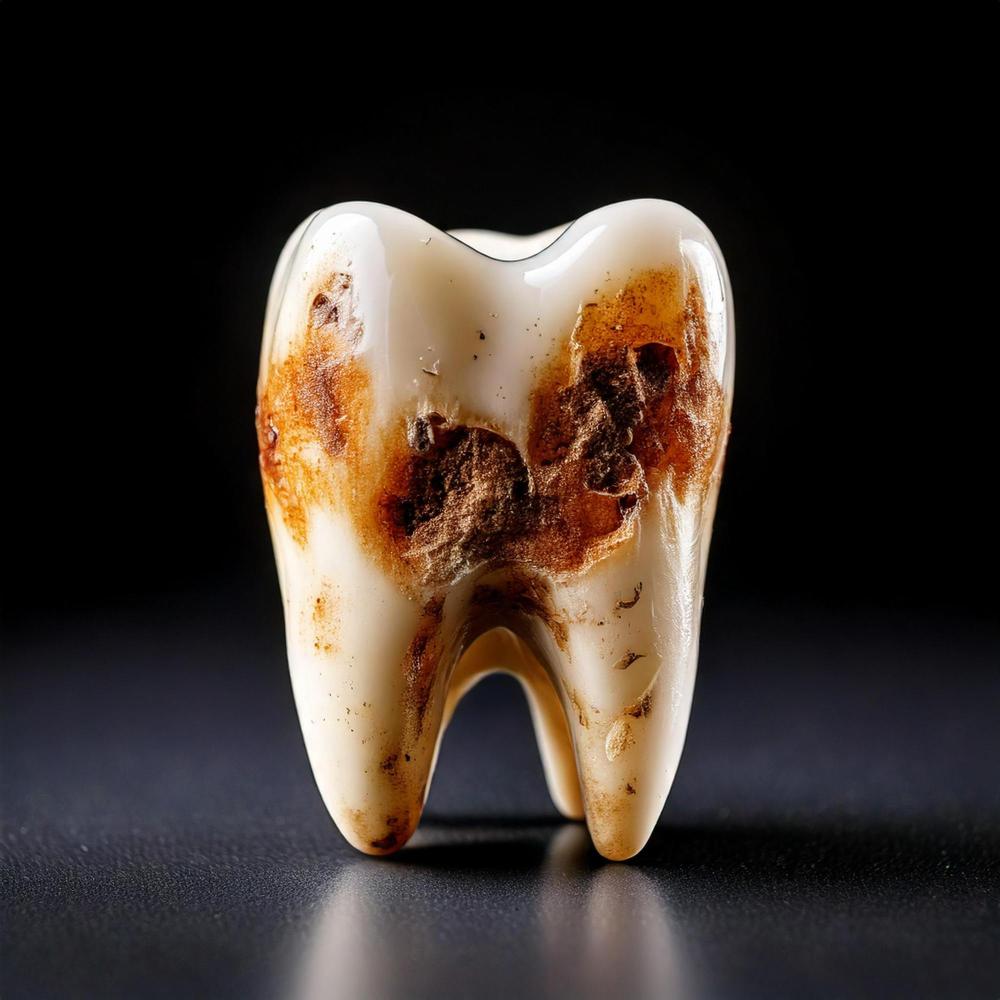
Tooth infections often develop when bacteria gain access to the inner structures of a tooth or surrounding tissues. Common infected tooth causes include untreated decay, broken and chipped teeth, a broken tooth, periodontal disease, impacted wisdom teeth, failed restorations, and poor oral hygiene habits. Symptoms may include pain, swelling, sensitivity, fever, and an unpleasant taste in the mouth. Treatment options range from root canal therapy and drainage procedures to extraction in severe cases. Early diagnosis and treatment help prevent complications, preserve natural teeth, and maintain long-term oral health and smile function.
Many tooth infections begin before noticeable pain develops. As bacteria enter damaged teeth or gum tissue, an infection can gradually take hold and affect both oral health and overall well-being.
Understanding infected tooth causes can help you recognize warning signs early and seek treatment before the problem worsens. From untreated decay to gum disease, several factors can increase the risk of infection and threaten the long-term health of your smile.
Untreated Tooth Decay
One of the most common infected tooth causes is untreated tooth decay. Bacteria naturally exist in the mouth, but when plaque remains on teeth for extended periods, acids begin breaking down enamel. As decay progresses deeper into the tooth, bacteria can reach the pulp, which contains nerves and blood vessels.
Once bacteria reach this area, an infection may develop and cause pain, swelling, and sensitivity. Without treatment, the infection can spread beyond the tooth and affect nearby tissues.
Broken and Chipped Teeth
Even a small crack can create an entry point for bacteria. Broken and chipped teeth often expose inner layers that would normally remain protected beneath the enamel.
Some fractures are visible, while others may be difficult to detect without a dental examination. When bacteria enter through these openings, infection can develop inside the tooth. Prompt evaluation after dental trauma helps reduce the risk of long-term complications.
A Broken Tooth Left Untreated
A broken tooth involves more than a cosmetic issue. When a larger portion of the tooth structure is damaged, the protective barrier around the pulp becomes significantly weaker.
Food particles and bacteria can accumulate within the damaged area, increasing the likelihood of infection. Delaying treatment often gives the problem time to worsen, making more extensive procedures necessary later.
Periodontal Disease
Periodontal disease affects the tissues and bone that hold teeth in place. As the condition progresses, pockets form between the teeth and gums, creating spaces where bacteria thrive.
These bacteria can travel deeper beneath the gum line and affect tooth roots. In some cases, infection develops around the root rather than inside the tooth itself. Regular professional cleanings and early treatment of gum disease help lower this risk.
Failed Dental Restorations
Fillings, crowns, and other restorations help protect damaged teeth, but they do not last forever. Over time, restorations may loosen, crack, or wear down.
When this occurs, bacteria can enter the space between the restoration and the natural tooth. The infection may progress without obvious symptoms until discomfort develops. Routine dental visits help dentists identify worn restorations before they become a larger concern. These issues are among the infected tooth causes that can easily go unnoticed.
Impacted Wisdom Teeth
Many people experience problems with wisdom teeth because they do not fully erupt. The phrase wisdom tooth induction is often used when discussing the emergence of wisdom teeth, but incomplete eruption frequently creates areas where bacteria collect.
Food debris and plaque can become trapped beneath gum tissue surrounding impacted wisdom teeth. This environment encourages bacteria to multiply and may lead to localized infection, swelling, and discomfort.
Poor Oral Hygiene Habits
Daily oral hygiene plays a major role in preventing infection. Infrequent brushing, inconsistent flossing, and missed dental appointments give plaque and bacteria more opportunities to accumulate over time.
Although poor oral hygiene may not trigger infection immediately, it increases the risk of decay and gum disease, both of which can lead to serious dental problems. Consistent preventive care remains one of the most effective ways to reduce infection risk and avoid infected tooth causes associated with neglected oral health.
How Tooth Infections Are Treated
Treatment depends on the location and severity of the infection. Dentists often use dental examinations and X-rays to determine the source of the problem.
Root canal therapy removes infected tissue from inside the tooth while preserving the natural structure whenever possible. In other situations, draining the infection or prescribing antibiotics may help manage symptoms. When a tooth cannot be saved, extraction may be recommended to prevent the infection from spreading.
Dr. Alex Rubinov and his team can identify infected tooth causes early and recommend treatment before complications develop.
Concerned about tooth pain, swelling, or signs of infection? Contact us today to schedule your visit.
FAQs
What is the most common cause of a tooth infection?
Untreated tooth decay remains the leading cause of tooth infections because bacteria can gradually penetrate the enamel and reach the tooth’s inner pulp.
Can a tooth infection spread to other areas of the body?
Yes. If left untreated, a tooth infection can spread beyond the tooth and affect surrounding tissues, the jaw, and other parts of the body.
How do dentists diagnose a tooth infection?
Dentists typically use a clinical examination and dental X-rays to identify the location, severity, and extent of the infection.
Can a cracked tooth cause an infection?
Yes. Cracks create openings that allow bacteria to enter the tooth, increasing the risk of infection if treatment is delayed.