
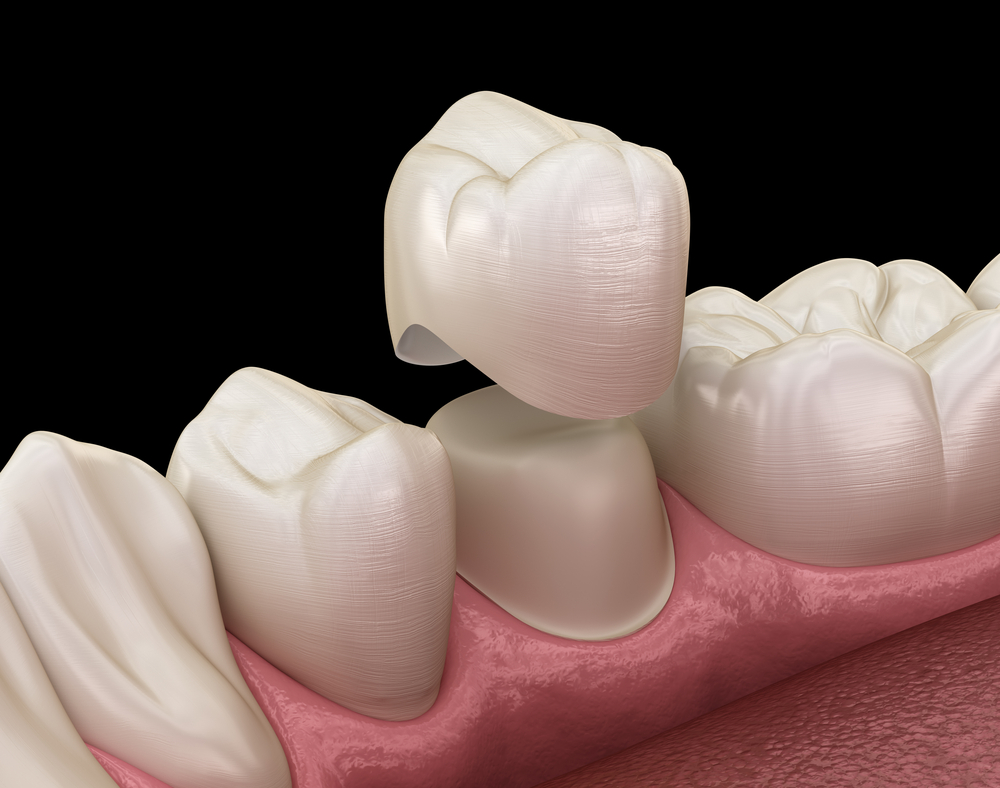
Navigating the landscape of cosmetic dentistry often brings to light the interconnected nature of various dental procedures. One such crucial connection is between a root canal and crown. While many are familiar with the concept of a root canal, the subsequent step of adding a crown might not be as commonly understood. This article delves deep into the rationale behind crowning a tooth after a root canal, highlighting its significance in ensuring dental aesthetics and functionality.
Root Canals: The Saving Grace of Infected Teeth
To appreciate the importance of a crown, it’s pivotal to first understand the root canal process. A root canal, or endodontic therapy, is a treatment aimed at resolving infections within a tooth’s inner chamber. This procedure involves the removal of the infected pulp, followed by the disinfection and sealing of the tooth’s inner space. While root canals play a pivotal role in saving a decayed or infected tooth, they often leave the tooth structurally weakened. And that’s where the role of a crown becomes indispensable.
The Crown: A Tooth’s Protective Shield
After a root canal, the treated tooth often becomes more fragile due to the removal of its pulp and subsequent cleaning. This fragility can make the tooth more susceptible to fractures or breaks from everyday activities such as chewing. A dental crown acts as a protective cap, encompassing the entirety of the visible part of the tooth. It provides much-needed strength, ensuring that the tooth remains functional and maintains its structural integrity.
The Aesthetics Angle:
Beyond functionality, the connection between a root canal and crown shines in the realm of aesthetics. Crowns are meticulously designed to resemble natural teeth in terms of color, shape, and size. This ensures that the treated tooth seamlessly blends with its neighboring teeth, preserving the natural beauty of one’s smile.
The Lifespan and Durability Factor
The objective of cosmetic dentistry is to provide solutions that are not just visually appealing but also durable. A root canal treatment, while effectively addressing the immediate concern of infection, does not guarantee the long-term viability of the treated tooth. The addition of a crown, however, substantially extends the lifespan of the tooth. Crafted from durable materials like porcelain or ceramic, crowns can withstand the pressures of daily use, ensuring that the tooth remains functional and aesthetic for years to come.
Expert Insights: A Crown Isn’t Always Mandatory
While the combination of a root canal and crown is common, it’s essential to note that not every root canal procedure will necessitate a crown. The decision is often influenced by factors such as the tooth’s location, the extent of the damage, and the remaining tooth structure. Front teeth, which experience less bite pressure compared to molars, might not always require crowning. Conversely, back teeth, which bear the brunt of chewing, usually benefit from the added protection of a crown. Consulting with a cosmetic dentistry professional can provide tailored advice based on individual circumstances.
The interplay between a root canal and crown is a testament to the holistic approach of cosmetic dentistry. By addressing both the health and structural concerns of a treated tooth, this combination ensures that patients can smile with confidence, knowing their teeth are not just beautiful but also robust and resilient.