
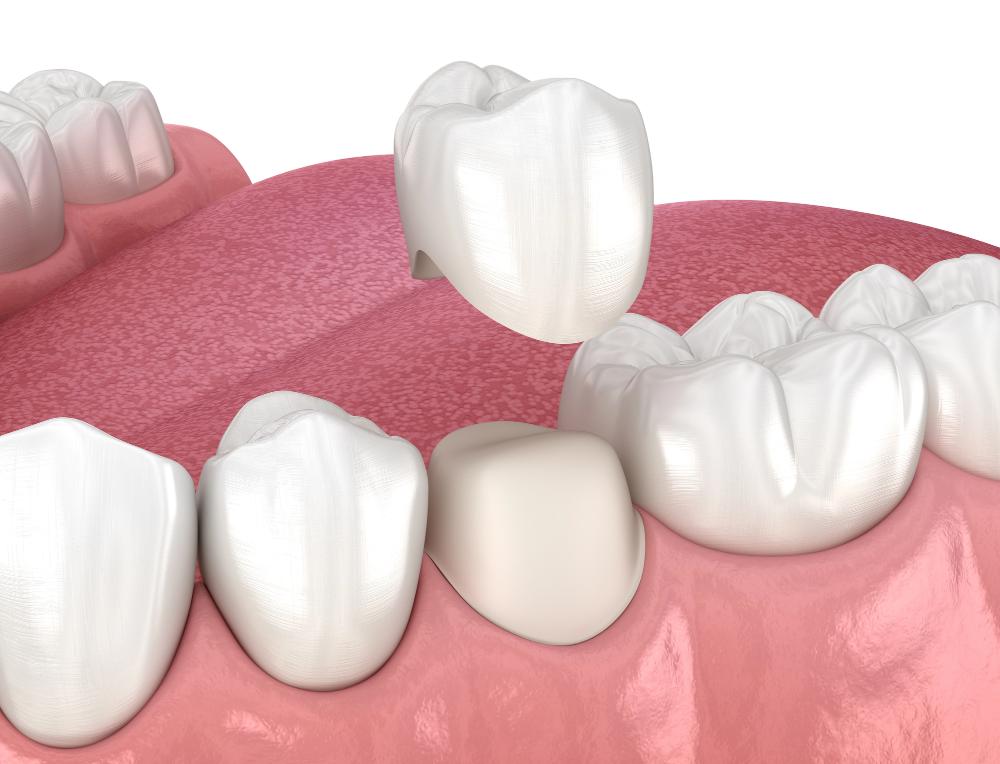
If you’ve ever asked yourself “What are crowns for teeth,” you’re not alone. Dental crowns are one of the most common and effective solutions for restoring damaged or weakened teeth.
These custom-made caps are designed to fit over a tooth, reinforcing its structure while improving its appearance and function. They play a vital role in both restorative and cosmetic dentistry, as they help preserve your natural smile while supporting long-term oral health.
Here are several important things to know about dental crowns, from how they work to why they’re recommended.
Crowns Rebuild and Protect Damaged Teeth
Crowns are often used when a tooth has suffered damage that fillings can’t address. This could be due to large cavities, cracks, or fractures.
When a tooth is structurally compromised, covering it with a crown helps restore its shape and strength. The crown acts as a protective barrier, prevents further wear or breakage, and allows you to chew and bite comfortably.
They Support Teeth After Root Canal Treatment
After a root canal, a tooth often becomes brittle due to the loss of its internal pulp. A crown adds stability and safeguards the remaining structure.
Without it, the tooth could break or become more vulnerable to future issues. This step is typically part of the follow-up process once root canal therapy is completed.
Crowns Are Used in Dental Implants and Bridges
When a patient needs a dental implant, the final step involves attaching a crown to the implant post. This crown looks and functions like a natural tooth.
Crowns are also used to anchor dental bridges, filling gaps left by missing teeth. In both cases, they serve as the visible and functional component of a larger restorative system.
Aesthetic Concerns Can Also Be Addressed
While crowns are commonly used for functional reasons, they also play a role in cosmetic dentistry. A crown may be recommended to cover a severely discolored, misshapen, or worn-down tooth. This approach allows patients to restore both the appearance and alignment of their smile with a durable, long-lasting solution.
Different Materials Offer Different Benefits
Crowns can be made from a variety of materials, each offering unique advantages. Porcelain and ceramic options blend well with natural teeth and are often used for front teeth.
Metal crowns, while more visible, are extremely durable and often placed on molars. Porcelain-fused-to-metal and zirconia crowns provide a middle ground with both strength and aesthetics.
The Process Involves Two Appointments
The process of receiving a crown typically takes two appointments. On the first visit, we reshape the tooth to make way for the crown and take impressions for a precise fit. A temporary crown is placed to safeguard the area in the meantime.
At the second appointment, the final crown is securely bonded in place. Thanks to modern tools and techniques, the entire experience is more precise and comfortable than it used to be.
Crown Care Is Just Like Natural Tooth Care
Once placed, crowns don’t require special treatment. Brushing twice a day, flossing regularly, and attending dental check-ups are all it takes to maintain them. Although crowns are strong, avoiding habits like chewing ice or using your teeth to open packages can extend their lifespan.
Crowns Can Last Over a Decade
With proper care, crowns typically last between 10 and 15 years, and sometimes even longer. Longevity depends on the material used, oral hygiene habits, and bite pressure. If a crown becomes loose or damaged, your dentist can replace or repair it to restore comfort and function.
They’re Often Covered by Dental Insurance
In many cases, crowns are considered a medically necessary treatment, especially when used to restore function or prevent further decay. That means dental insurance plans often cover a portion of the cost. It’s worth checking with your provider to understand the details of your coverage.
Crowns Can Prevent Future Dental Work
Crowns can help prevent the need for more invasive treatments down the road by protecting a compromised tooth early. They strengthen weakened teeth and minimize the risk of fractures or decay spreading. For this reason, they are a valuable long-term investment in your dental health.
At our dental practice, we work closely with patients to determine when a crown is the right solution. Every case is unique, and we tailor each crown to suit your dental needs and aesthetic preferences. If you’re considering a dental crown, we’ll walk you through every step, from assessment to placement, with comfort and clarity in mind.
Interested in restoring or protecting your smile with a custom crown? Visit Dr. Alex Rubinov’s website to schedule a consultation and explore your treatment options today.