
When it comes to restoring or improving your smile, veneers and crowns are two of the most popular treatment options. Both can enhance the appearance and function of teeth, but they serve different purposes and come with different price tags. If you’re weighing your options, understanding the veneer vs. crown cost can help you make a more informed decision based on your dental goals and budget.
If you’re comparing veneer vs. crown cost, it’s important to look beyond the numbers and understand the value each one brings. This article breaks down the differences in cost, purpose, and longevity to help you make the right decision based on your needs.
Understanding What Each Treatment Does
Veneers are most often chosen for cosmetic changes. These thin coverings, commonly made from porcelain or composite material, are bonded to the front surface of the teeth. They’re great for enhancing the color, shape, or alignment of your smile.
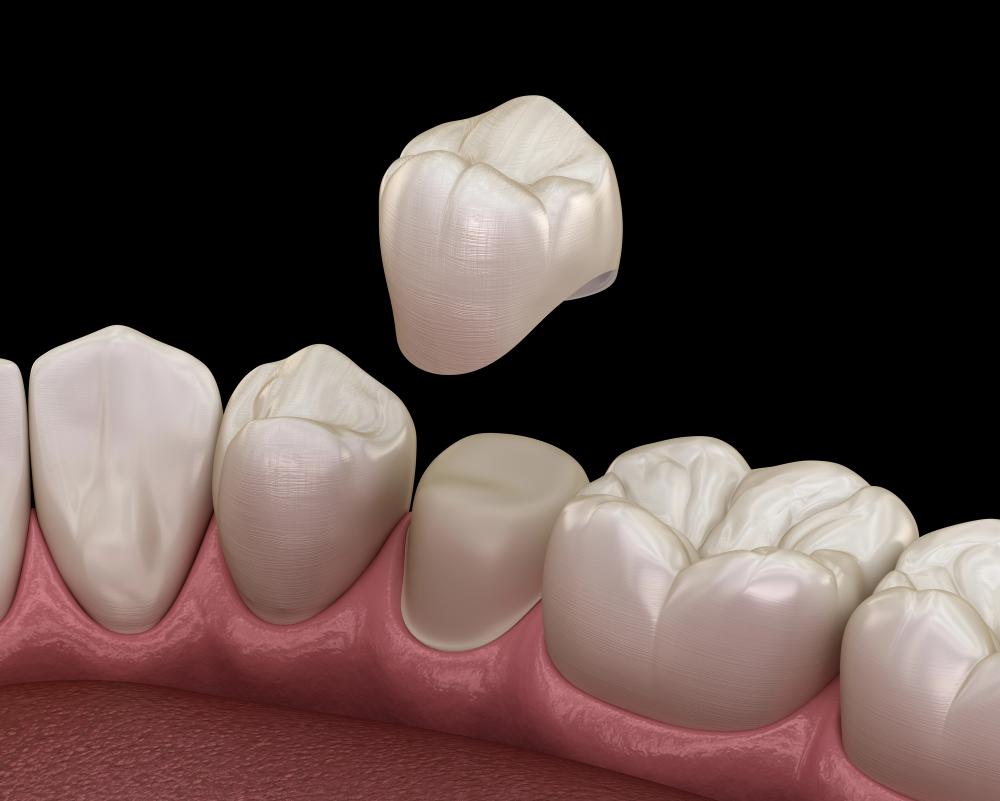
In contrast, crowns are designed to cover the whole tooth. They’re typically recommended for teeth that have been damaged, decayed, or treated with a root canal. Crowns help restore both strength and appearance.
Because their functions differ, the preparation process for each also varies. Veneers require the removal of only a thin layer of enamel, while crowns need the tooth to be reshaped significantly to fit the cap.
Veneer Costs Explained
The cost of veneers largely depends on the material used and the complexity of the case. Porcelain veneers are typically more expensive than composite ones, but they also last longer.
On average, porcelain veneers can cost between $1,000 and $2,500 per tooth. Composite veneers may cost less, starting from around $800 per tooth. However, they have a shorter lifespan and may require more maintenance over time.
It’s also necessary to consider that veneers are not usually covered by dental insurance since they’re considered cosmetic. That means the full cost is often out-of-pocket, which makes budgeting and long-term planning important when choosing this option.
What You Pay for Crowns
Crowns, like veneers, vary in price depending on materials. Porcelain-fused-to-metal crowns tend to be more affordable, while all-ceramic or zirconia crowns sit at the higher end of the price range.
Most crowns fall between $1,000 and $3,500 per tooth. While the upfront cost may seem high, crowns are built for durability and are often a necessary part of restorative treatment. As they serve a functional purpose, crowns are more likely to be covered at least partially by dental insurance.
Another cost factor is the use of technology. Some practices use CAD/CAM machines that allow for same-day crown fabrication, which can impact pricing as well as convenience.
Veneer vs. Crown Cost: Which Option Offers Greater Value?
Veneers and crowns serve different needs, so value isn’t just about the price tag. Veneers offer a minimally invasive way to transform your smile aesthetically. If your teeth are healthy but you want to improve their look, veneers could be a better investment.
Crowns, however, add structural integrity to teeth that might otherwise need to be removed. If you’re dealing with a cracked, heavily filled, or root canal-treated tooth, a crown can extend its lifespan significantly.
The lifespan of each option should also be part of the value conversation. Porcelain veneers generally last 10 to 15 years with good care. Crowns can last just as long, sometimes even longer, especially when placed on back teeth that handle more force.
If you’re considering your options and want to explore which treatment suits your needs and budget, we’re here to help. At Dr. Alex Rubinov’s practice in NYC, we’ll walk you through every step of the process and explain what makes sense for your smile and how to move forward with confidence. Schedule a consultation today to begin your journey toward a healthier, more beautiful smile.