
Quick Summary
Routine dental cleanings help prevent oral health problems by removing plaque and tartar from teeth with generally healthy gums. Deep cleanings are designed to treat periodontal disease by eliminating bacteria and hardened deposits beneath the gumline. Determining which treatment you need requires a thorough dental examination, gum measurements, and, when appropriate, dental X-rays.
Understanding the difference between a regular dental cleaning and a deep cleaning goes beyond the length of the appointment. Each procedure serves a different purpose.
Preventive cleanings help maintain healthy teeth and gums, while deep cleanings address active periodontal disease that affects the supporting tissues around the teeth. Before recommending either treatment, we carefully evaluate your teeth, gums, bone support, and overall oral health.
Choosing the wrong service can leave disease untreated or lead to unnecessary therapy. Through our general dentistry care, we measure gum pockets, note bleeding, assess tartar, and review dental images when needed.
What Happens During a Regular Dental Cleaning?
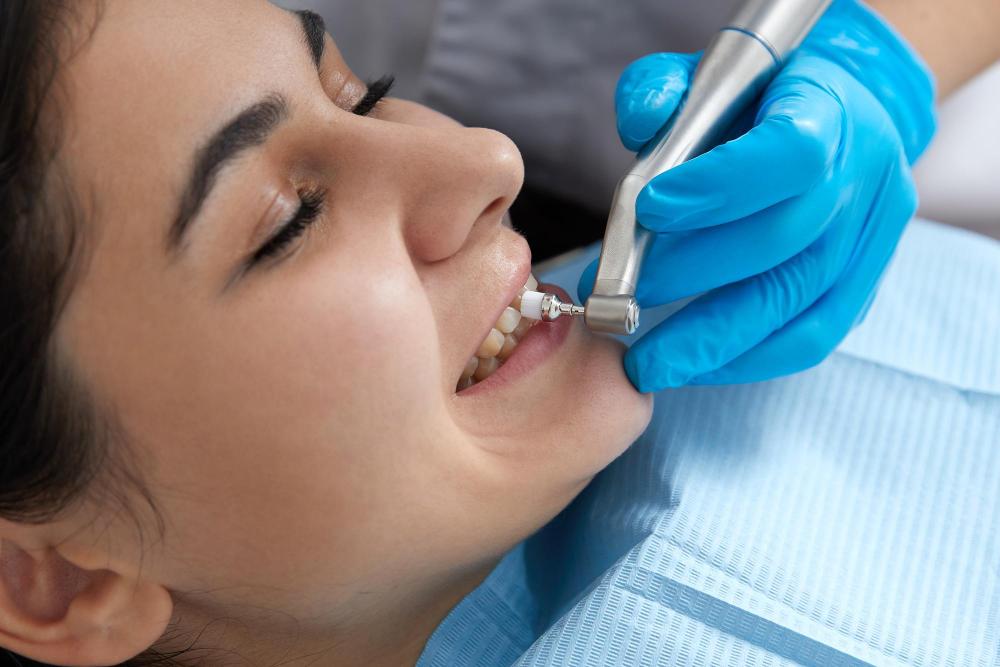
A routine dental cleaning, also called a prophylaxis, removes plaque, tartar, and surface stains from the visible portions of the teeth and slightly beneath the gumline. This preventive treatment is intended for patients whose gums are generally healthy and who do not have active periodontitis.
A typical appointment includes scaling to remove plaque and tartar, polishing to smooth the tooth surfaces, an evaluation of your oral hygiene routine, and an examination for cavities or other dental concerns.
Patients with mild gingivitis often see significant improvement after a professional cleaning combined with better brushing and flossing habits. Gingivitis affects the gum tissue without causing the bone and attachment loss associated with periodontal disease. Because hardened tartar cannot be removed with brushing alone, professional cleanings remain an essential part of preventive dental care.
What Is a Deep Cleaning?
A deep cleaning, also known as scaling and root planing, is a non-surgical periodontal treatment that removes plaque, bacteria, and hardened deposits from below the gumline and along the tooth roots. The root surfaces are carefully smoothed to discourage bacteria from collecting and to encourage healthier gum attachment during healing.
Local anesthetic is commonly used to keep the procedure comfortable. Depending on the extent of the disease, treatment may be completed over multiple appointments, with one section of the mouth treated at each visit.
Deep cleaning is recommended when periodontal disease has developed. Signs that may indicate the need for this treatment include deep periodontal pockets, bleeding gums, gum recession, bone loss, persistent inflammation, and tartar extending below the gumline.
It is a therapeutic procedure designed to control infection rather than a more intensive version of a routine cleaning.
Why Pocket Depth and Bone Levels Matter
Healthy gums fit snugly around the teeth, creating a natural barrier against bacteria. As periodontal disease progresses, inflammation damages the supporting tissues and deepens the space between the gums and teeth. These periodontal pockets become difficult to clean with regular brushing and flossing, allowing bacteria to continue accumulating.
Measuring pocket depths, evaluating bleeding, checking for gum recession or tooth mobility, and reviewing dental X-rays help us determine the severity of periodontal disease and develop the most appropriate treatment plan.
How We Choose the Right Type of Cleaning
We do not make the decision from one number alone. Medical history, previous periodontal treatment, smoking, diabetes, home care, and the pattern of bone loss all influence planning. A patient may need routine cleaning in a healthy mouth, localized periodontal treatment in selected areas, or broader scaling and root planing.
Active gum disease should also be addressed before certain restorative procedures. Stable tissue supports predictable results around crowns, veneers, and dental implants. It also gives us a healthier foundation when a patient is considering a comprehensive smile makeover.
What To Expect After Deep Cleaning
It is common to experience mild tenderness, temporary bleeding, or sensitivity to hot and cold temperatures following a deep cleaning. These symptoms usually improve as the gums heal.
Depending on your individual needs, we may recommend specific brushing techniques, flossing aids, interdental brushes, or antimicrobial rinses to promote healing and improve plaque control. A follow-up appointment is typically scheduled to reassess gum pocket depths, inflammation, and healing progress.
Although deep cleaning successfully treats existing periodontal infection, it does not eliminate the lifelong risk of gum disease. Many patients transition to periodontal maintenance visits at more frequent intervals to help control bacteria and monitor areas that remain susceptible to inflammation.
Choose the Right Cleaning With Dr. Alex Rubinov
At Dr. Alex Rubinov’s office, every cleaning recommendation is based on careful diagnosis rather than a routine schedule. We take the time to explain your periodontal health, discuss why a preventive cleaning or deep cleaning is recommended, and develop a treatment plan that protects both your oral health and the long-term appearance of your smile.
If your gums bleed during brushing, feel swollen or tender, appear to be receding, or you have not had a periodontal evaluation in some time, schedule an appointment with our team. Early diagnosis and appropriate treatment can help preserve your gums, teeth, and overall oral health.
Frequently Asked Questions
Can I request a regular cleaning instead of deep cleaning?
You can discuss every option, but a routine cleaning does not treat deposits at the base of diseased periodontal pockets. We recommend care according to the examination findings.
Does deep cleaning hurt?
Local anesthetic can keep the treated areas comfortable. Mild soreness or sensitivity afterward is common and usually temporary. We tailor the visit to your comfort and the extent of treatment.
How often is periodontal maintenance needed?
The interval depends on disease history, pocket depths, home care, and risk factors. Many patients need visits more often than the standard preventive schedule, especially during the first year after treatment.