
Quick Summary
There is no set limit to the number of root canal treatments a person can receive during their lifetime. This guide explains how root canal therapy, retreatment, and apical surgery work, the factors that determine whether a tooth can be treated again, and when extraction may be the more predictable long-term solution.
Many patients ask, “How many root canals can you have?” The answer is that there is no maximum number for the entire mouth.
Different teeth can require root canal treatment at different stages of life. The more important consideration is whether each affected tooth can be successfully disinfected, sealed, restored, and maintained for the long term.
At our Midtown practice, we assess the tooth, surrounding bone, symptoms, cracks, and existing restoration. Our general dentistry evaluation helps determine when endodontic care or specialist referral is appropriate.
There Is No Overall Lifetime Limit
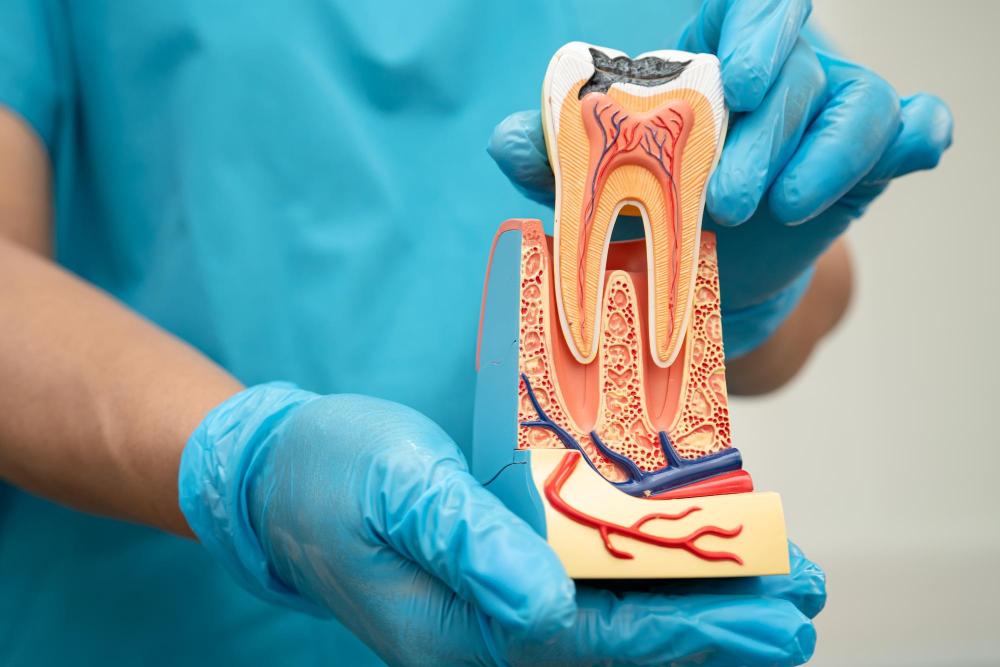
Root canal therapy removes infected or inflamed tissue from inside the tooth, disinfects the root canal system, and seals the canals to prevent future bacterial contamination. Any tooth that develops infection may require treatment if it can be restored successfully. Having a root canal on one tooth does not increase or decrease the likelihood that another tooth can receive treatment in the future.
When several teeth require care, factors such as your overall health, ability to tolerate treatment, severity of infection, and restorative priorities help determine the treatment sequence. Every tooth is evaluated individually based on its condition and long-term prognosis.
Can the Same Tooth Have More Than One Root Canal Treatment?
Yes. Although most teeth only require one root canal procedure, some may need root canal retreatment if infection returns or healing does not occur as expected.
During retreatment, the dentist or endodontist reopens the tooth, removes the previous root canal filling material, locates any untreated or newly contaminated canals, thoroughly disinfects the tooth, and seals the canals again.
The need for retreatment does not necessarily indicate that the original procedure was unsuccessful. Root canal systems can be extremely complex, and new decay, leaking restorations, hidden anatomy, fractures, or bacterial contamination that develops years later can all contribute to reinfection. Endodontists often use advanced magnification and three-dimensional imaging to identify these challenging conditions.
When Apical Surgery May Be Considered
If infection persists around the tip of the root and conventional retreatment is unlikely to resolve the problem, apical surgery, also called an apicoectomy, may be considered.
During this procedure, the infected tissue surrounding the root tip is removed, the end of the root is cleaned, and a small filling is placed to seal the canal from the root end. The success of apical surgery depends on the tooth’s anatomy, remaining tooth structure, surrounding bone, and overall restorability.
What Determines if Another Treatment Is Worthwhile?
A successful root canal depends on more than cleaning the canals. The tooth must also have enough healthy structure to support a durable restoration afterward.
Conditions such as vertical root fractures, severe decay extending below the gumline, advanced periodontal disease, significant root resorption, or repeated structural fractures can reduce the likelihood of long-term success. In these situations, another root canal procedure may not be the most predictable solution.
Several additional factors influence treatment recommendations, including:
- The extent of current symptoms
- The size of the infection
- The quality of previous root canal treatment
- The condition of the existing crown or filling
- The tooth’s importance for chewing and bite function
- The patient’s treatment goals and preferences
Front teeth, molars, bridge abutments, and the last remaining tooth in an area may each require different treatment considerations.
The Final Restoration Matters
Completing the root canal is only part of the treatment process. After the canals have been sealed, the tooth must be restored to protect it from fracture and prevent bacteria from re-entering the tooth.
Many premolars and molars require a dental crown because significant tooth structure has often been lost from decay or previous restorations. Delaying the final restoration increases the risk of fracture or reinfection, potentially compromising an otherwise successful root canal.
Routine dental examinations remain important after treatment. They allow us to monitor the crown, surrounding gums, bite function, and the bone around the root for any signs of future problems.
When Extraction May Be the Better Option
Another root canal is not always the most conservative choice. If the tooth is fractured or cannot be rebuilt predictably, extraction may avoid repeated treatment with a poor outlook. Replacement options can include a bridge, removable prosthesis, or dental implants.
The decision also affects the surrounding smile and bite. When several teeth need coordinated restorative work, a smile makeover plan can organize endodontic, periodontal, implant, and cosmetic steps in the right order.
Review Your Tooth With Dr. Alex Rubinov
We will walk you through the benefits and limitations of clear aligners while identifying cases that may be better suited to specialist orthodontic care.
Take the first step toward a healthier, more balanced smile. Book a consultation to discuss crowding, gaps, shifting teeth, uneven wear, or alignment concerns before veneers or another cosmetic procedure.
Frequently Asked Questions
How many canals are inside one tooth?
The number varies by tooth and individual anatomy. A tooth can have one canal or several, and additional branches may be difficult to detect without magnification or imaging.
Can a root canal be redone twice?
In selected cases, further retreatment or surgery may be possible. The cause of failure, remaining tooth structure, and prior procedures determine if another attempt is reasonable.
Does every root canal tooth need a crown?
Not every tooth requires the same restoration. Molars and premolars often need cuspal coverage, while some front teeth may be restored differently. The amount of remaining structure guides the choice.