
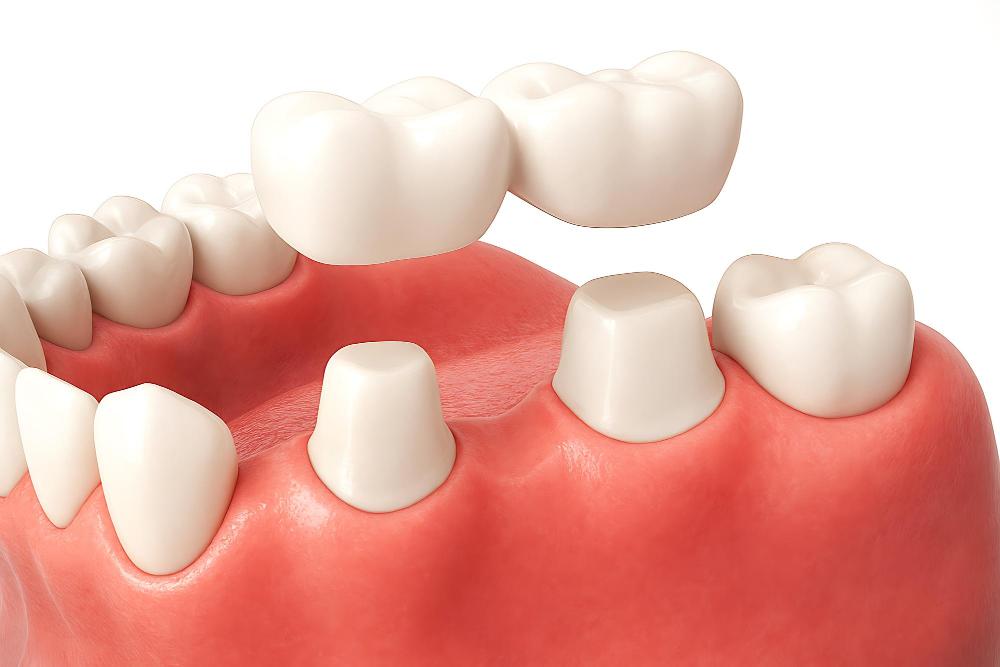
Quick Summary
A dental crown warranty can provide additional peace of mind after treatment, but coverage varies from one dental practice to another. Warranty terms may depend on the type of crown, the dental laboratory, the materials used, and the condition of the supporting tooth. Understanding what is included, what is excluded, and how warranties differ from dental insurance can help you make informed decisions about your care.
A dental crown warranty can offer reassurance after restorative treatment, but it is not a promise that a crown will last forever.
Coverage terms vary by practice, laboratory, material, and the condition of the tooth beneath the restoration. At our Midtown practice, we encourage patients to read the written terms and ask what is covered before treatment begins.
A well-made crown still depends on healthy tooth structure, stable gums, a balanced bite, and consistent home care. Our general dentistry evaluations look beyond the visible ceramic or metal so we can monitor the foundation supporting the restoration.
What a Crown Warranty Usually Means
A dental crown warranty is a practice-specific policy that may reduce or eliminate certain replacement costs if a crown fractures, chips, becomes loose, or requires replacement within a designated period.
Some practices cover the full cost of replacing the crown during the warranty period, while others use prorated coverage, meaning the patient’s financial responsibility gradually increases as the restoration ages.
In many cases, the warranty only applies to the crown itself. Additional procedures, such as a new core buildup, root canal treatment, gum therapy, or treatment for changes affecting the underlying tooth, may not be included. Reading the written policy carefully is important because warranty coverage is often more limited than patients expect.
Practice, Laboratory, and Manufacturer Coverage
Several parties may contribute to your crown’s overall coverage.
The dental practice may guarantee the quality of the clinical treatment, while the dental laboratory may warrant defects related to the fabrication of the crown itself. Certain crown materials or implant components may also include separate manufacturer warranties.
These forms of coverage are independent of one another and may differ significantly. Before treatment, it is helpful to ask who handles warranty claims, how long each type of coverage lasts, and which expenses remain your responsibility.
Insurance Replacement Rules Are Different
Dental insurance and crown warranties are entirely separate.
Insurance companies establish their own rules regarding crown replacement, including waiting periods, replacement frequency, annual benefit limits, and documentation requirements. Even if your dentist recommends replacing a crown, your insurance provider may determine that the procedure is not eligible for reimbursement.
Clinical recommendations are based on your oral health needs, while insurance decisions are based on the terms of your dental plan. One does not determine the other.
Common Crown Warranty Exclusions
Most dental crown warranties exclude damage caused by circumstances outside the restoration itself. Common exclusions include:
- Accidents or dental trauma
- Chewing ice or other hard objects
- Using teeth to open packages or bite non-food items
- Failure to wear a recommended night guard for teeth grinding
- Missing routine examinations or professional cleanings
Regular dental visits are important because they help identify small problems before they become larger complications that may fall outside warranty coverage.
New decay around the edge of the crown is another common exclusion. Although the crown protects much of the tooth, cavities can still develop where the restoration meets natural tooth structure. Gum recession, poor oral hygiene, dry mouth, tobacco use, and dietary habits can all increase the risk of decay in these areas.
The tooth may also develop a crack, nerve inflammation, or infection after the crown is placed. Those biological changes do not necessarily mean the crown was defective.
When a tooth cannot be predictably restored, we may discuss alternatives such as dental implants rather than replacing the same crown repeatedly.
How To Protect Your Crown and Its Coverage
Proper home care plays an important role in extending the life of your crown and maintaining any applicable warranty coverage.
Brush carefully along the gumline, floss between your teeth every day, and attend all recommended recall appointments. Contact your dentist if the crown begins to feel loose, your bite feels uneven, floss catches around the restoration, or you develop new sensitivity.
Patients who clench or grind should use a recommended protective appliance. It is also helpful to keep copies of the treatment plan, warranty, receipts, and insurance communications. If the crown is part of a broader smile makeover, coordinated maintenance protects both function and the visual balance of the result.
Review Crown Coverage With Dr. Alex Rubinov
At Dr. Alex Rubinov, our team believes patients should understand both the restoration and the terms surrounding it. We evaluate the tooth, bite, gums, and material before recommending a crown. We also explain aftercare and what to do if the restoration changes.
Request an appointment with our office today if an existing crown feels loose, looks damaged, or causes discomfort.
Frequently Asked Questions
How long is a typical crown warranty?
There is no universal duration. A policy may last a few years, extend longer, or use prorated coverage. The written agreement from the treating practice is the controlling document.
Does a warranty mean the crown should never break?
No. Crowns face heavy chewing forces and can be affected by trauma, grinding, decay, or changes in the supporting tooth. A warranty describes financial terms, not biological certainty.
Can I use a warranty at another dental office?
Usually not unless the policy specifically allows it. Practice warranties commonly apply to work completed and evaluated by that office. Ask for records if you move or need care elsewhere.