
Quick Summary
Understanding what causes gap teeth can help patients determine whether treatment is necessary. Common causes include genetics, an oversized labial frenum, missing teeth, childhood habits, tongue thrusting, periodontal disease, and natural tooth movement over time. While some gaps are harmless, others may point to underlying oral health concerns that deserve attention. Treatment options vary depending on the cause and may include dental bonding, Invisalign, veneers, or a comprehensive smile makeover. A professional evaluation can identify the source of spacing and help patients choose the most suitable solution for their oral health and aesthetic goals.
A gap between teeth can be a distinctive feature, but for some people, it may affect confidence, bite function, or overall smile balance.
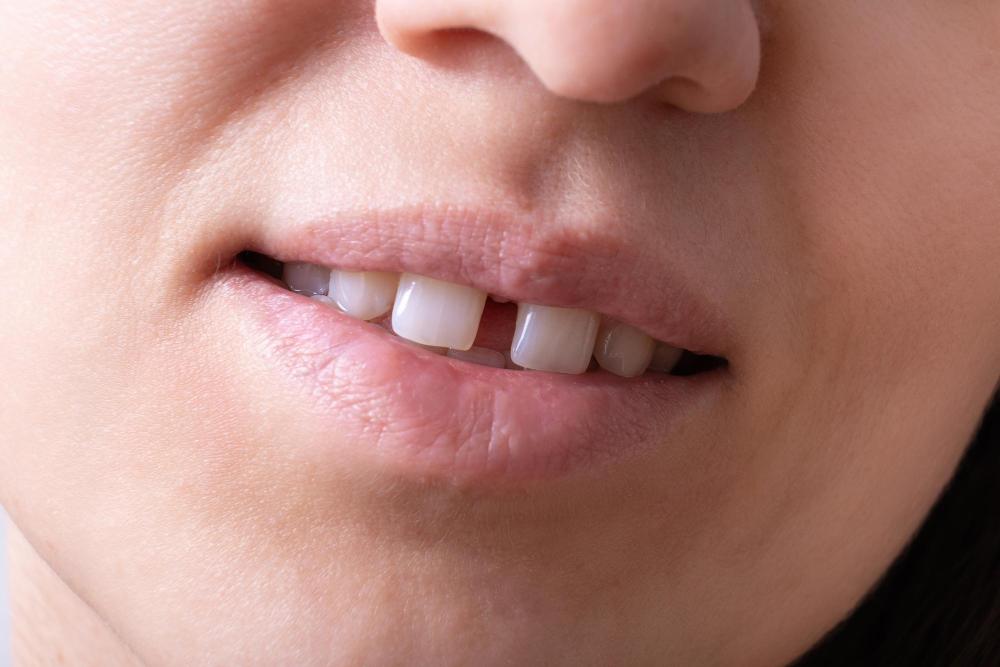
If you have ever wondered what causes gap teeth, the answer is not always straightforward. Spaces between teeth can develop due to genetics, oral habits, gum disease, or changes in jaw and tooth alignment over time.
Some gaps appear during childhood and close naturally, while others remain into adulthood or develop later in life. Understanding the underlying cause is the first step in determining whether treatment is appropriate.
Genetics and Natural Tooth Size
One of the most common reasons for gaps between teeth is genetics. The size of your teeth and jaw are largely inherited traits. When teeth are relatively small compared to the jawbone, extra space may remain between them.
This mismatch often creates visible gaps, particularly between the upper front teeth. In many cases, these spaces are harmless and simply reflect natural dental anatomy rather than an underlying oral health concern.
An Oversized Labial Frenum
The labial frenum is the thin band of tissue that connects the inside of the upper lip to the gums above the front teeth. When this tissue extends too far downward, it can create a space between the upper central incisors.
This condition may prevent teeth from moving together naturally and can contribute to a persistent gap. A dental evaluation can determine if the frenum is contributing to spacing concerns.
Missing Teeth
When a tooth is missing, neighboring teeth may gradually shift into the empty space. This movement can affect alignment and create gaps elsewhere in the mouth.
Missing teeth may result from injury, decay, congenital conditions, or previous extractions. Over time, even a single missing tooth can influence the positioning of surrounding teeth and affect overall bite function.
Thumb Sucking and Childhood Habits
Certain childhood habits place pressure on developing teeth and jaws. Prolonged thumb sucking, frequent pacifier use, or tongue thrusting can gradually push teeth forward and create spaces.
Many children outgrow these habits without long-term effects. However, persistent pressure during important developmental years may contribute to noticeable spacing problems later in life.
Tongue Thrusting
Tongue thrusting occurs when the tongue pushes against the front teeth during swallowing or speaking. Repeated pressure can gradually shift teeth outward and increase spacing. Unlike temporary childhood habits, tongue thrusting may continue into adulthood if left untreated. Over time, it can affect both tooth alignment and bite stability.
Can Gap Teeth Be Corrected?
Treatment depends on the cause, size, and location of the gap. Some spaces may not require correction, while others can benefit from cosmetic or orthodontic treatment.
Dental bonding is a popular option for small gaps because it uses tooth-colored composite material to reshape the teeth and reduce spacing. This conservative treatment can often be completed in a single visit.
For patients seeking orthodontic correction, Invisalign for closing gap between teeth can gradually move teeth into a more balanced position without the appearance of traditional braces.
Some individuals are interested in closing gaps in teeth without braces. Depending on the situation, cosmetic treatments can be an effective alternative when extensive tooth movement is unnecessary.
Veneers may also be considered when spacing concerns occur alongside issues such as uneven tooth shape, minor discoloration, or worn enamel. Adjusting the visible dimensions of the teeth can create a more symmetrical appearance.
When Should You Seek Professional Advice?
Not every gap requires treatment, but sudden changes in spacing should be evaluated. New gaps can sometimes indicate gum disease, shifting teeth, or other underlying concerns. A professional examination can identify the cause and determine whether treatment is recommended based on oral health, function, and cosmetic goals.
At Dr. Alex Rubinov’s practice, we evaluate the factors contributing to tooth spacing and recommend personalized treatment options based on your smile goals.
If you are concerned about gaps between your teeth or have noticed recent changes in alignment, contact us today to schedule your visit.
FAQs
Are gaps in teeth always caused by genetics?
No. Genetics is a common factor, but gaps can also develop due to gum disease, missing teeth, oral habits, tongue thrusting, or shifting tooth positions.
Can gaps between teeth get larger over time?
Yes. Teeth may continue to shift due to aging, bone loss, missing teeth, or untreated periodontal disease, which can make gaps more noticeable.
Can Invisalign close gaps between teeth?
Yes. Invisalign can effectively move teeth into better alignment and is commonly used to reduce or eliminate spaces between teeth.