
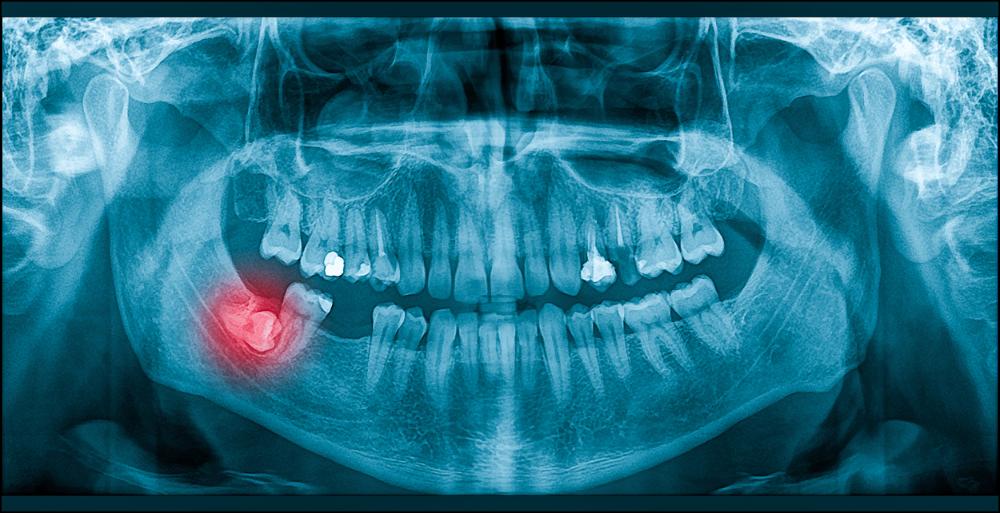
Learning about the different types of impacted wisdom teeth helps patients and dentists plan the best approach to care and treatment. Wisdom teeth, known as third molars, often emerge in the late teens to early twenties. In many cases, these back molars do not erupt fully into the mouth due to limited space, improper angles, or obstruction by other teeth. When this happens, they become impacted, leading to pain, swelling, infection, or alignment problems.
Each type of impaction describes the position and angle of the wisdom tooth relative to the adjacent second molar and jawbone. Knowing the differences can prepare you for discussions with your dental team about the best wisdom teeth extraction strategy and timing.
Vertical Impaction
In a vertical impaction, the wisdom tooth grows upright but fails to emerge completely through the gumline. This occurs when there is not quite enough room for the tooth to come in fully. Patients with this type of impaction may not feel severe symptoms at first, but the trapped portion of the tooth can still harbor bacteria and lead to gum irritation or infection.
Dentists often find vertical impactions during routine dental X-rays because the tooth looks normal in orientation but remains partially or fully below the gum surface. Removal is generally straightforward but may require careful planning to protect adjacent teeth and bone.
Mesial Impaction
Mesial impaction occurs when a wisdom tooth tilts forward toward the front of the mouth, pushing against the neighboring second molar. This is one of the most common positions for impacted wisdom teeth and can cause pressure, crowding, and damage to the adjacent tooth.
The forward angle increases the risk of food and bacteria becoming trapped between the teeth, which can lead to decay or gum disease. Mesial impactions are often recommended for extraction before symptoms progress to infection or significant discomfort.
Horizontal Impaction
Horizontal impaction is among the more problematic types of impacted wisdom teeth. In this scenario, the wisdom tooth lies on its side and pushes directly into the second molar. This sideways position forces pressure against the jaw and adjacent teeth, making it difficult for the impacted tooth to erupt.
Because of this angle, horizontal impactions often lead to pain, loss of bone around the second molar, and potential abscess formation. Removal typically requires surgical extraction, which involves opening the gum and sometimes sectioning the tooth to remove it safely.
Distal Impaction
Distal impaction describes a wisdom tooth that tilts toward the back of the mouth, away from the second molar. This position is less common than other types, but it can still cause problems if the tooth remains trapped beneath the gum. In many instances, distal impactions remain asymptomatic until they begin to exert pressure on the jawbone or surrounding tissues.
Soft Tissue Impaction
A soft tissue impaction happens when the wisdom tooth has partially erupted through the gum, but most of the crown remains covered by gum tissue. This creates a pocket where food particles and bacteria can accumulate, leading to irritation, gum swelling, and infection.
With this type of impaction, patients may notice tenderness, redness, or bad taste near the back of the mouth. Treating soft tissue impactions often begins with improved hygiene around the tooth and may progress to surgical removal if the area becomes repeatedly infected or painful.
Partial Bony Impaction
Partial bony impaction occurs when part of the wisdom tooth emerges through the gum, while another portion remains enclosed by the jawbone. This type of impaction combines elements of soft tissue and full bony impaction, making cleaning difficult and increasing the risk of food trapping and bacterial buildup.
Symptoms of partial bony impaction can include swelling around the jawline, discomfort during chewing, and pressure on nearby teeth. Dentists often recommend surgical extraction for partial bony impactions to prevent long-term complications.
Complete Bony Impaction
In a complete bony impaction, the entire wisdom tooth remains encased within the jawbone. These teeth do not erupt at all and can go unnoticed until imaging reveals their presence. Because they are fully surrounded by bone, complete bony impactions often require more complex surgical techniques for removal.
Plan Your Care with Expert Dental Guidance
Impacted wisdom teeth can affect comfort, oral hygiene, and alignment in ways that vary dramatically depending on their position. At our Midtown Manhattan practice, Dr. Alex Rubinov guides patients through evaluation, imaging, and personalized dental treatment strategies for impacted third molars. With advanced dental training from Columbia University College of Dental Medicine and experience in both restorative and cosmetic care, he helps patients understand their options and make informed choices.If you suspect your wisdom teeth are impacted or have questions about extraction planning, schedule a consultation with Dr. Alex Rubinov. Our team supports your oral health journey with thoughtful explanations, modern techniques, and patient-centered care that keeps your smile healthy and strong.