
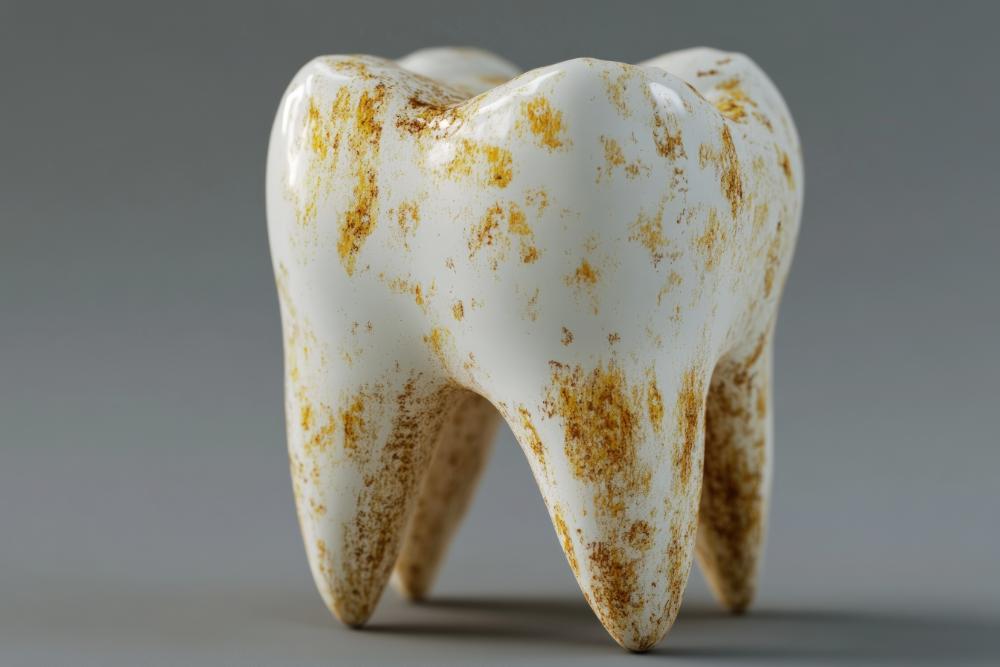
Many people notice gradual changes in the color of their teeth over time. A bright smile can shift toward yellow, brown, or gray shades due to a range of everyday factors. Patients often ask what causes teeth stains, and the answer usually involves both lifestyle habits and natural biological changes. Tooth enamel, the outer protective layer, absorbs pigments from food, drinks, and tobacco, which can alter the appearance of a smile.
Staining can occur on the surface of the enamel or inside the tooth itself. Surface stains tend to form from external factors like beverages or plaque buildup. Internal discoloration develops deeper within the tooth structure due to aging, injury, or certain medications. Knowing these differences helps dentists recommend the most effective treatment, such as teeth whitening and professional cleanings.
Dark Foods and Beverages
Many common foods and drinks contain pigments that cling to tooth enamel. Coffee, tea, red wine, berries, and soy sauce all contain strong color compounds that gradually stain the surface of teeth. Frequent exposure allows these pigments to build up and change the shade of enamel over time.
Acidic drinks can worsen the situation by weakening enamel. Soda and citrus beverages slightly soften the outer layer of teeth, which allows pigments to attach more easily. Over time, these habits create noticeable discoloration that routine brushing alone may not remove.
Smoking and Tobacco Use
Tobacco products remain one of the most common reasons behind persistent tooth discoloration. Nicotine and tar penetrate enamel and create dark stains that often appear yellow or brown. These pigments tend to settle into tiny pores within the enamel, which makes them difficult to remove without professional treatment.
Long-term tobacco use can also contribute to plaque buildup and gum irritation. These issues affect oral health and further change the appearance of teeth. Patients who quit smoking often notice improvements in both dental health and overall smile brightness after treatment.
Poor Oral Hygiene and Plaque Buildup
Daily brushing and flossing remove plaque before it hardens into tartar. When plaque remains on teeth for extended periods, it traps pigments from food and drinks. This buildup dulls the natural brightness of enamel and contributes to visible staining.
Tartar deposits can appear yellow or brown along the gumline. Regular professional cleanings and proper maintenance habits help remove hardened deposits and restore the natural appearance of teeth. Consistent home care plays a major role in keeping stains from returning.
Aging and Natural Changes In Teeth
Tooth color naturally changes with age. Over time, enamel gradually becomes thinner, which reveals more of the dentin beneath it. Dentin has a naturally yellow tone, so this shift can make teeth appear darker even with good oral hygiene.
Years of exposure to staining foods, beverages, and environmental factors also accumulate on enamel. These changes do not necessarily signal poor dental health, but they can alter the brightness of a smile. Professional cosmetic treatments often address these age-related changes effectively.
Dental Trauma and Medical Factors
In some cases, discoloration begins inside the tooth rather than on the surface. Dental trauma from accidents or sports injuries can damage the inner tissue of a tooth. This injury may cause the tooth to turn gray or dark over time.
Certain medications and medical conditions can also affect tooth color. Some antibiotics taken during childhood influence enamel development, while chemotherapy or radiation therapy may change tooth shade. A dental examination helps identify the source of discoloration and determine the most appropriate treatment.
Brighten Your Smile with Expert Cosmetic Dentistry
Tooth stains can develop for many reasons, yet modern cosmetic dentistry offers several ways to restore a brighter smile. At our Midtown Manhattan practice, Dr. Alex Rubinov combines advanced training from Columbia University College of Dental Medicine with a strong artistic approach to smile design. His experience alongside renowned cosmetic dentists allows him to plan treatments that balance aesthetics and long-term dental health.
Our team uses modern technology and personalized treatment planning to help patients regain confidence in their smiles. If stains or discoloration affect the way your teeth look, schedule a consultation with Dr. Alex Rubinov to learn about professional whitening and cosmetic solutions that can restore a clean, natural appearance.