
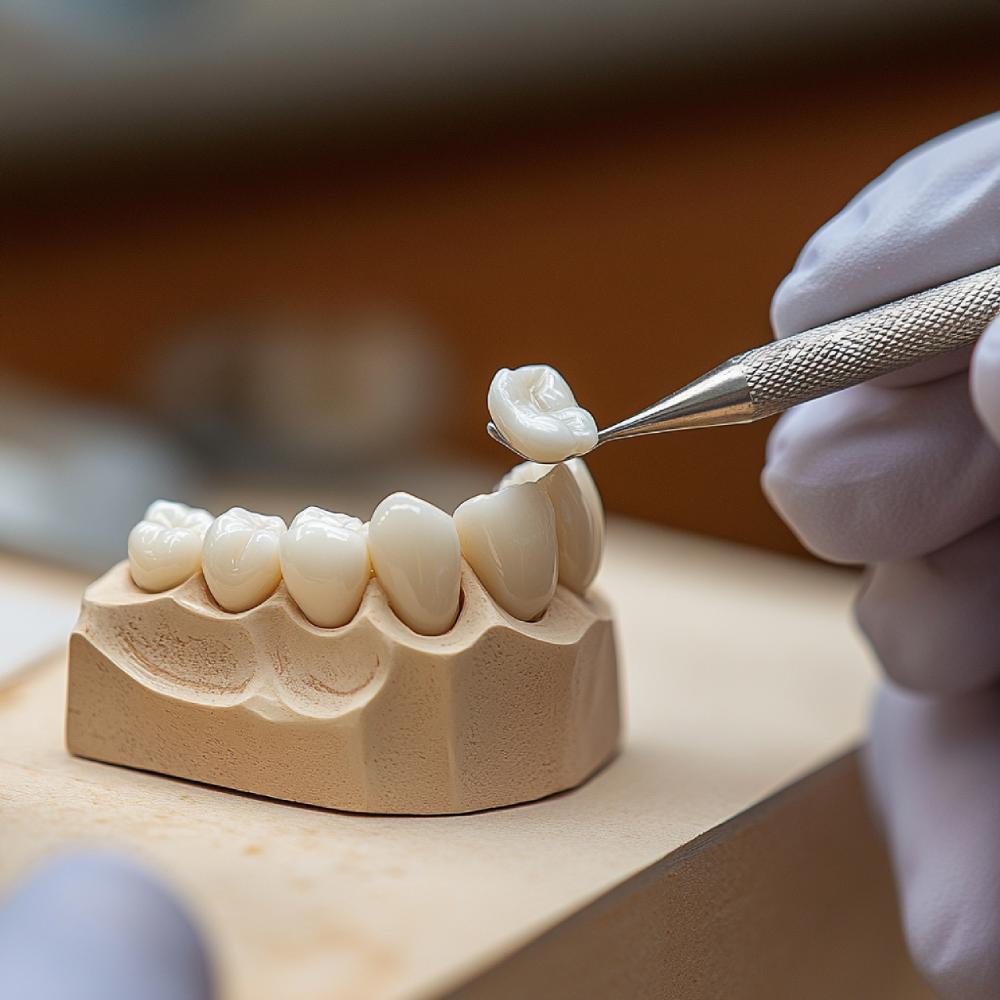
A dental crown is an excellent solution for restoring a damaged tooth, but keeping your crown in top shape requires some attention and care. The goal of crown after care is to ensure that your restoration remains secure, functional, and beautiful for years to come. While crowns are durable, they still need special attention to avoid damage and prevent unnecessary wear.
If you’ve had a crown placed to restore a broken tooth or to protect a tooth with extensive fillings, following proper aftercare instructions is important for maintaining the health of your smile.
Be Gentle During the First Few Days
After your crown is placed, your mouth may feel sensitive, especially if the underlying tooth requires significant work. For the first couple of days, treat your crown gently by eating soft foods that are easy to chew. This gives your restoration time to settle and ensures it is comfortable and secure. Try using the other side of your mouth for chewing so as to avoid putting unnecessary pressure on the new crown.
Avoid Hard and Sticky Foods
While crowns are made from durable materials, they are not indestructible. It’s important to avoid foods that could damage your crown or dislodge it. Hard foods like ice, nuts, and hard candies can chip or crack the restoration, while sticky foods like caramel or taffy can loosen the crown by tugging on it.
For the long-term health of your crown, try to limit your intake of these foods, especially during the initial healing period. Check out our guide on what to eat after a dental crown for more helpful tips.
Maintain Excellent Oral Hygiene
Maintaining a clean mouth is key to ensuring your crown stays healthy. Brushing your teeth twice a day with a soft-bristle toothbrush and fluoride toothpaste helps prevent plaque buildup. When brushing, be sure to gently clean around the crown’s edges where it meets the natural tooth. This area can be a hotspot for plaque and bacteria, so it’s important to keep it clean to avoid decay and gum disease.
Flossing around your crown is equally important, but it should be done carefully. Be sure not to pull or snap the floss, as this can dislodge the crown or irritate the surrounding gums. Your dentist can show you the best technique for flossing around your crown to maintain a healthy, clean smile.
Use a Nightguard If Necessary
If you grind your teeth at night (a condition known as bruxism), you should consider using a custom nightguard to protect your crown. Teeth grinding can put excessive pressure on crowns, which increases the risk of damage. A nightguard acts as a barrier, preventing the pressure from reaching your crown and preserving both the restoration and your natural teeth.
Monitor Your Bite
Your crown should feel like a natural part of your smile. If you experience any discomfort or if your bite feels off, it could mean that the crown is slightly too tall or uneven. If this happens, contact your dentist for a quick adjustment. It’s important to address bite issues promptly to avoid additional wear or stress on your crown.
Schedule Regular Dental Checkups
Regular visits to the dentist are important for checking the condition of your crown and ensuring that the surrounding teeth and gums are healthy. During your routine exams, your dentist will monitor the crown for any signs of wear, damage, or decay. Professional cleanings also help remove plaque buildup that may accumulate around the crown, ensuring that it remains securely in place.
Prevent Stains Around the Crown
While crowns are resistant to staining, it’s still important to be mindful of what you eat and drink. Certain beverages like coffee, tea, and red wine, as well as foods like berries and tomato sauces, can leave stains on your teeth. Although your crown is unlikely to stain, the surrounding natural teeth may discolor over time. To minimize staining, drink plenty of water after consuming staining foods and beverages and maintain good oral hygiene.
Watch for Signs of Damage
Crowns are designed to be durable, but they can still become damaged if subjected to excessive force or wear. Keep an eye out for any cracks, chips, or looseness in the crown. If you notice any issues, contact your dentist immediately to prevent further damage. Early detection and care can help preserve your crown and prevent the need for more extensive repairs.
Don’t Ignore Pain or Discomfort
While some sensitivity is normal after getting a crown, persistent pain or discomfort is not. If you experience prolonged sensitivity, swelling, or any discomfort around your crown, it’s important to seek dental attention right away. Delaying treatment could lead to complications, so addressing issues early ensures that your crown and your smile remain in good shape.
Trust Dr. Alex Rubinov for Expert Crown Care
Proper aftercare is essential for maintaining the longevity and functionality of your dental crown. At our Midtown Manhattan practice, Dr. Alex Rubinov combines advanced techniques and personalized care to ensure your dental crowns and other restorations continue to perform beautifully. Dr. Rubinov’s experience in both general and cosmetic dentistry ensures that your restoration fits seamlessly into your smile and functions at its best.If you have any questions about caring for your crown or would like to discuss any concerns, schedule an appointment with Dr. Alex Rubinov. Our team is here to support you in maintaining a healthy, confident smile for years to come.