
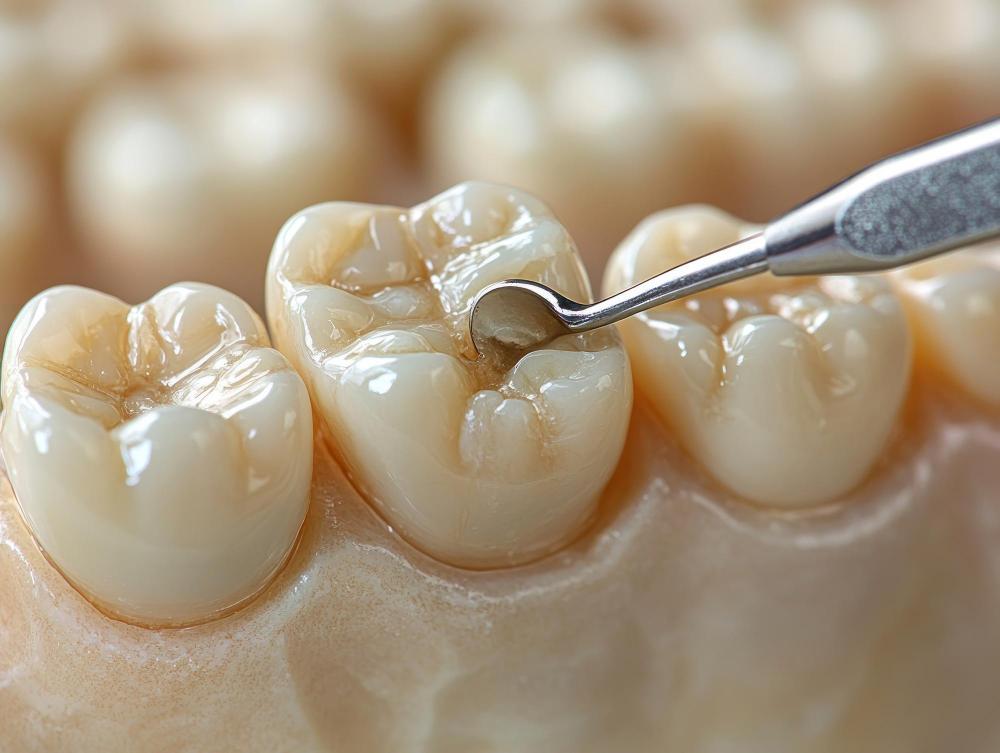
A filling can function well for many years, but it is not permanent. Patients often ask, How long do dental fillings last? after receiving a new restoration or replacing an older one. The answer varies based on the material used, daily oral habits, and the tooth’s location in the mouth.
A small filling on a front tooth may remain stable longer than a large restoration on a molar that handles heavy chewing forces. Routine dental checkups help identify wear early, before it develops into a more serious concern.
Average Lifespan of Dental Fillings
Different materials have different durability timelines. Composite fillings, which are designed to blend with natural tooth color, typically last about 5 to 10 years. Amalgam fillings often last 10 to 15 years, and in some cases even longer when conditions are favorable. Gold restorations can last 15 to 20 years or more, depending on oral conditions and bite forces.
Size and location also influence longevity. Smaller fillings generally perform better over time compared to larger restorations that cover more of the tooth structure. Chewing pressure is another key factor. Back teeth absorb more force during daily use, which can lead to faster wear in those areas. Patients frequently ask, “How long do dental fillings last?” and the answer always depends on these combined factors rather than a single fixed timeline.
What Can Shorten a Filling’s Lifespan?
Teeth are exposed to constant pressure and daily wear. Habits such as chewing ice, biting nails, or using teeth to open packaging can place unnecessary stress on fillings. Grinding or clenching teeth, especially during sleep, can also accelerate wear and lead to fractures or loosening.
Oral hygiene habits play a major role as well. Inconsistent brushing and flossing can allow decay to develop around the edges of a filling. Diet choices also influence longevity. Frequent sugary snacks and sticky foods increase the risk of decay near existing dental work, while acidic drinks may gradually weaken surrounding tooth structure.
Even when a filling remains intact, the tooth supporting it still requires ongoing care.
Signs a Filling May Need Attention
Pain is one sign, but it is not the only one. You may notice sensitivity to cold drinks, sweets, or pressure when chewing. Some people feel a rough edge with their tongue. Others notice a crack, discoloration, or a piece that seems loose.
A filling can also fail quietly. Decay may form under or around it without clear symptoms at first. That is why routine exams matter. Your dentist can spot wear, small gaps, or hidden damage before the tooth gets worse.
Can You Make a Filling Last Longer?
Discomfort is one possible indicator, but it is not always present. Sensitivity to cold beverages, sweets, or pressure while chewing may suggest a problem. Some patients notice a rough edge when the tongue passes over the tooth. Others observe visible cracks, discoloration, or a restoration that feels loose.
In some cases, deterioration occurs without noticeable symptoms. Decay can develop beneath or around a filling without immediate discomfort. This is why routine examinations are important. A dentist can detect early wear, marginal gaps, or hidden decay before the situation progresses further.
When is Replacement the Right Move?
A filling does not need to be replaced just because it is old. It usually needs attention when it is cracked, leaking, worn down, or surrounded by new decay. Sometimes the tooth needs a new filling. In other cases, a crown may be a better option if too much tooth structure has been lost. Every case is different, so a quick exam is the best way to know what comes next. If you think one of your fillings may be wearing out, schedule a visit with Dr. Alex Rubinov and get a clear plan for your smile.