
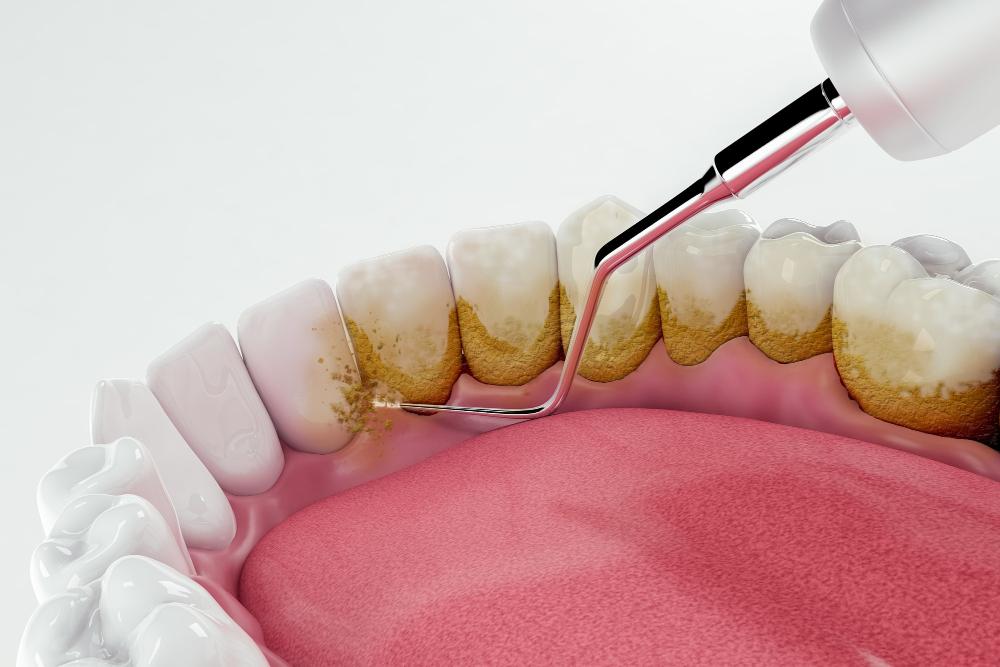
After gum disease treatment, many patients ask, Do I need periodontal maintenance forever? That question is reasonable, especially when daily life feels normal again, and the mouth no longer seems irritated.
Periodontal maintenance is not the same as a regular dental cleaning. It is a structured follow-up plan designed for patients with a history of gum disease, bone loss, deep periodontal pockets, or previous scaling and root planing. Its purpose is to keep the condition stable and lower the chance of infection returning.
Why Periodontal Maintenance is Different
A regular cleaning is meant for mouths with healthy gums or very mild issues. Periodontal maintenance is provided for patients with a history of periodontitis. That history matters, even after treatment goes well.
Gum disease can remain inactive for periods of time and then become active again without obvious warning. Bacteria can accumulate below the gumline, where brushing and flossing cannot fully reach. Regular maintenance visits allow evaluation of pocket depth, bleeding points, inflammation, and early signs of disease activity before progression occurs.
Does “Forever” Mean the Same Schedule Forever
Many patients begin periodontal maintenance every three to four months after active therapy. That shorter interval helps reduce bacterial buildup before it becomes problematic again.
The question “Do I need periodontal maintenance forever?” does not always have a single fixed answer. Some patients remain on a frequent schedule long-term, while others may transition to longer intervals if their gums remain stable.
Decisions are based on factors such as bone support, pocket depth, oral hygiene consistency, smoking status, diabetes control, stress levels, and previous disease severity. Even when stability is achieved, past periodontal disease still influences long-term planning.
What Happens If You Stop Going
Missed maintenance visits do not always lead to immediate discomfort, which can create a false sense of security. Gum disease often progresses quietly in the early stages.
When plaque and bacteria remain under the gums, periodontal pockets can deepen again. Bleeding may return during brushing or flossing. Bone loss can continue without noticeable symptoms at first. Over time, teeth may loosen if the condition is not managed. Addressing early changes is typically simpler than treating advanced recurrence.
Signs You May Need Long-Term Care
Certain factors increase the likelihood of gum disease returning. Deep periodontal pockets, previous bone loss, smoking, dry mouth, teeth grinding, and systemic health conditions all contribute to a higher risk. Home care habits also play a significant role in long-term stability.
These risk factors do not indicate failure of past treatment. They highlight the importance of continued periodontal maintenance. At Dr. Alex Rubinov, patients are regularly reminded that ongoing care helps preserve the results already achieved.
What Patients Can Do Between Visits
Daily oral hygiene remains a critical part of long-term gum health. Brushing twice daily and cleaning between teeth every day helps control plaque buildup. Using recommended interdental tools rather than relying only on standard brushing can make a meaningful difference.
Overall health habits also influence gum stability. Blood sugar management, tobacco use, and stress levels all impact periodontal health. Consistent routines tend to create better long-term outcomes between maintenance visits.
What to Remember Going Forward
Periodontal maintenance is often a long-term component of care following gum disease treatment. For many patients, that means regular follow-ups over several years, and in some cases lifelong care. Even so, lifelong care does not always mean the same frequency indefinitely. Appointment intervals may be adjusted based on how stable the gums remain over time. If you have been treated for gum disease and want a clear plan, schedule a visit with Dr. Alex Rubinov and find out what maintenance schedule makes sense for you.