
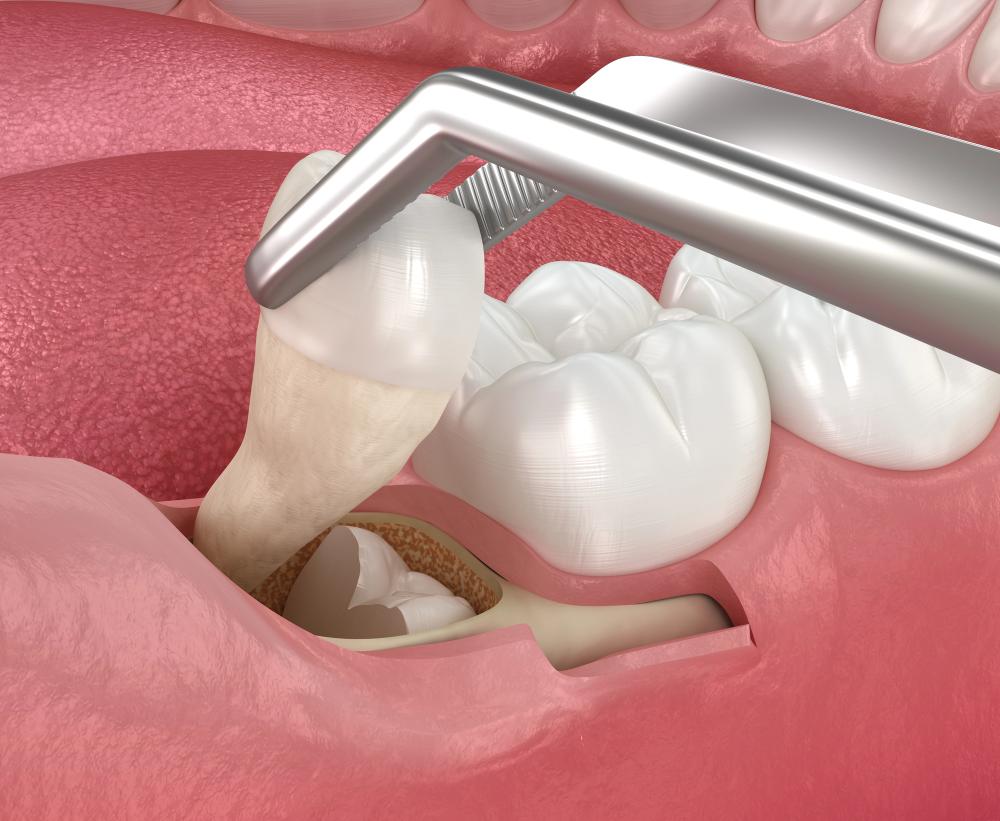
The thought of having a tooth removed can be unsettling. It is important to remember that dentists view extraction as a last resort, only recommended when a tooth cannot be saved or when its removal is necessary for your overall oral health.
Understanding the common reasons for a tooth extraction can help you feel more informed and confident if your dentist ever suggests this procedure. The goal is always to relieve pain, prevent future problems, and create a healthier environment for your remaining teeth.
Severe Tooth Damage or Decay
One of the main situations that can require removing a tooth is when the structure has been significantly weakened by decay or injury. If a cavity is not addressed promptly, it can progress deeper into the tooth and eventually affect the inner pulp. If the decay is so severe that it compromises the entire tooth structure, a filling or even a root canal may not be enough to save it.
In such cases, where the tooth is beyond repair, extraction becomes the only viable option to stop the spread of decay and prevent further infection. This is a core principle in general dentistry: to save teeth whenever possible, but to remove them when necessary for your health.
Advanced Gum Disease
Your gums and jawbone provide the foundation that keeps your teeth stable. When gum disease, or periodontitis, develops, it infects and weakens these vital supporting structures. In more advanced cases, the condition can lead to significant bone loss, making it difficult for the affected teeth to remain securely anchored. This can cause teeth to become loose, shift, or even fall out on their own. To manage the infection and prevent it from damaging surrounding teeth, a dentist may need to extract teeth that have become too loose to function properly.
A Dental Abscess
An abscess forms when bacteria create a buildup of pus, usually starting from a deep cavity or a damaged tooth that has gone untreated. As the infection progresses, it can reach the root and even the nearby bone. In many cases, a root canal can clear the infection, but if the abscess is advanced and does not improve with antibiotics or other treatments, removing the tooth may be necessary. Extraction allows the infection to drain and helps prevent it from moving into other areas of the body.
Impacted Teeth
A tooth is considered impacted when it cannot fully break through the gumline, usually due to a lack of space or obstruction from a neighboring tooth. While wisdom teeth are the ones most frequently affected, canines may also become impacted. This condition can lead to discomfort, cyst formation, root damage to nearby teeth, and crowding. Extracting an impacted tooth helps avoid these problems and supports overall oral health.
Preparing for Orthodontic Treatment
Sometimes, a dentist or orthodontist will recommend an extraction for orthodontic reasons. When the jaw is too small to accommodate all the teeth, severe crowding can occur, making proper alignment impossible. In situations like this, taking out one or more teeth can open up the space needed for the rest to move into the correct position during orthodontic treatment. This is a strategic decision made to achieve a better, healthier bite and a more aligned smile, which can also be a first step before treatments like Invisalign.
What to Expect After an Extraction
After a tooth is removed, your dentist will offer clear aftercare instructions to promote healing. This typically involves biting down on a gauze pad to control bleeding, resting, and eating soft foods for a few days. It is also important to keep the area clean to prevent a condition called dry socket.
While an extraction addresses an immediate problem, it is also the first step in a longer plan. Replacing the missing tooth, often with a dental implant, is necessary to restore function and prevent neighboring teeth from shifting.
A Decision Made for Your Health
It is natural to feel anxious, but a recommendation for extraction is always made with your long-term well-being in mind. At the practice of Dr. Alex Rubinov, we take the time to thoroughly explain our diagnosis, show you any relevant X-rays, and discuss all your options.
Our team is committed to making sure you understand the reasons for a tooth extraction and feel completely comfortable with your treatment plan, focusing on preserving your oral health and setting the stage for a confident smile in the future.