
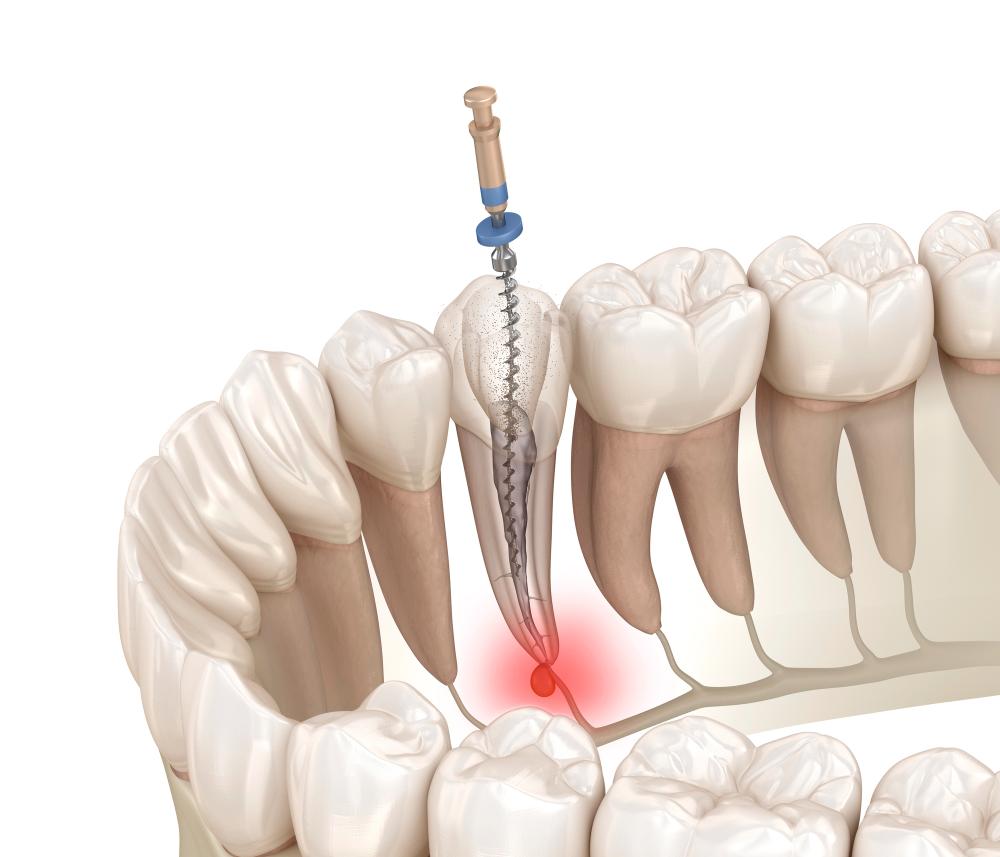
When you have a severe toothache, the problem often lies in the soft inner part of the tooth, called the pulp. If your dentist says you need treatment for this, you might hear the terms “pulpotomy” and “root canal.” Understanding the key differences in pulpotomy vs. root canal can help you feel more informed about your care. Both aim to relieve pain and save your tooth, but they are used in different situations.
What is a Pulpotomy?
A pulpotomy is sometimes called a “baby root canal,” though it can be used on adult teeth in specific cases. This procedure is done when the damage or decay is only in the top portion of the pulp, known as the pulp chamber. The dentist removes this infected pulp, leaves the healthy pulp in the root canals untouched, and then seals the tooth.
It is a less complex procedure that is often a good fit for children’s primary teeth or as a temporary pain-relief step for an adult tooth. This kind of treatment falls under the scope of advanced general dentistry aimed at preserving your natural teeth.
What is a Root Canal?
A root canal, or root canal therapy, is a more comprehensive treatment. It becomes necessary when the infection has spread from the pulp chamber all the way down into the root canals. In this procedure, the entire pulp tissue, both in the crown and the roots, is carefully removed.
The inside of the tooth is then cleaned, disinfected, and sealed. A root canal is the standard of care for saving an adult tooth that would otherwise need to be extracted due to extensive infection or inflammation.
Key Differences at a Glance
The main thing that sets these procedures apart is the extent of the infection and the amount of pulp removed.
- Pulpotomy: Removes only the infected coronal pulp. The healthy root pulp is kept alive.
- Root Canal: Removes all of the pulp tissue from both the crown and the roots.
Because a root canal is more involved, it typically requires more time and may involve a specialist called an endodontist. A pulpotomy is generally a quicker procedure.
How Your Dentist Decides Which You Need
Your dentist will not guess which procedure you need. They use a few key pieces of information to make a decision. The most important one is an X-ray, which shows how deep the decay or damage has spread. They will also test the tooth’s nerve response to different stimuli. If the nerves in the roots are still healthy, a pulpotomy might be a good option. If the infection is throughout the entire pulp system, a root canal is the only way to save the tooth.
Making the Right Choice for Your Smile
The choice between a pulpotomy and a root canal is not one you make yourself; it is a clinical decision based on the condition of your tooth. The ultimate goal is always to relieve your pain and keep your natural tooth for as long as possible.
At Dr. Alex Rubinov, we take the time to explain our findings clearly. We use digital X-rays and a thorough examination to recommend the most straightforward and effective treatment for your specific situation. Our team is here to make sure you are comfortable and confident in your care plan, if it involves dental implants, a simple pulpotomy, or a more complex root canal treatment.