
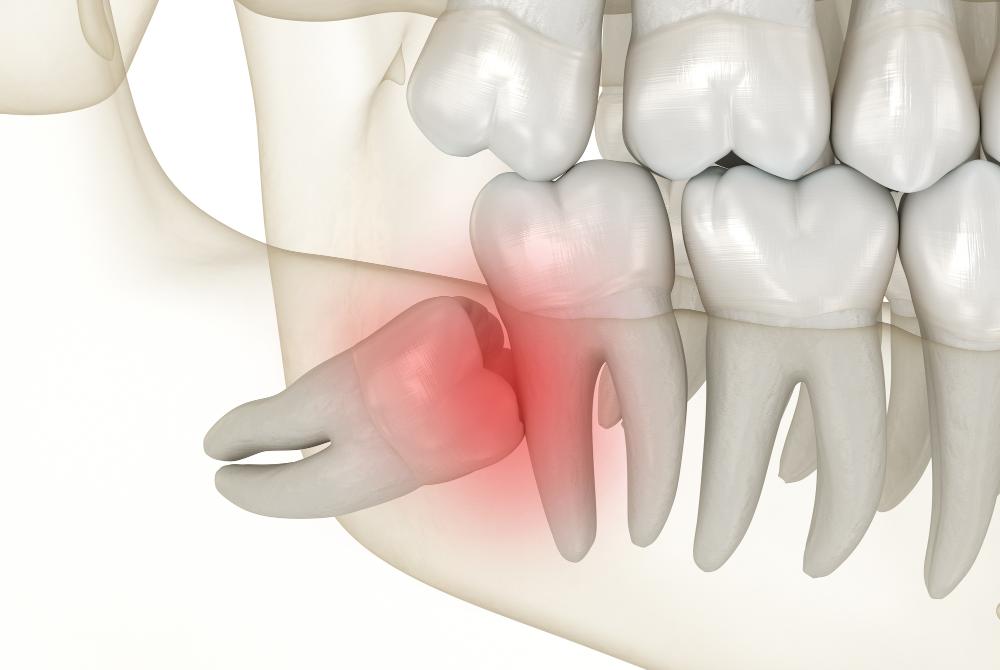
Impacted wisdom teeth occur when third molars fail to fully erupt from the gums or jawbone. This condition can generate multiple oral health challenges, including infection, decay, and gum disease. Recognizing impacted wisdom teeth symptoms early helps patients avoid complications and plan appropriate treatment.
Jaw Pain and Swelling
One of the most frequent signs of impacted wisdom teeth is localized pain or swelling in the jaw. Pressure from partially erupted teeth can radiate through surrounding teeth and the jawbone. This pain may increase when chewing or opening the mouth wide.
Patients often experience tenderness along the gumline behind the last molars, signaling that the underlying tissue or bone is stressed. Timely consultation can help prevent worsening discomfort and potential complications.
Red or Bleeding Gums
Impacted wisdom teeth often irritate adjacent gums and cause redness, inflammation, and occasional bleeding. Food particles and bacteria can accumulate around partially erupted teeth, leading to gum irritation.
Maintaining oral hygiene in these areas is challenging, which can intensify inflammation. Patients observing persistent redness or bleeding should discuss treatment options. These may include professional cleaning, monitoring, or surgical removal to reduce the risk of infection.
Unpleasant Taste or Bad Breath
Impacted teeth can create small pockets where bacteria thrive, producing a foul taste or persistent bad breath. Even with regular brushing and flossing, these areas are difficult to clean.
A consistent metallic or sour taste in the mouth, along with halitosis, can indicate the presence of an impacted tooth and potential infection. Addressing these symptoms early supports oral health and prevents more serious dental issues.
Difficulty Opening the Mouth
Jaw stiffness or limited mouth opening can occur with impacted wisdom teeth. Swelling or pressure on surrounding tissue may restrict movement and make it uncomfortable to eat or speak.
This symptom usually appears alongside pain and inflammation, indicating that the tooth is affecting jaw function. Prompt evaluation helps manage discomfort and protects adjacent teeth and joints.
Pressure on Adjacent Teeth
Impacted wisdom teeth can press against neighboring molars and create crowding or tooth movement. This pressure may lead to sensitivity, decay in hard-to-clean areas, and long-term alignment issues.
Patients might notice discomfort or subtle shifting in surrounding teeth. Professional assessment determines if removal or other interventions are needed to preserve overall dental alignment and health.
Supporting Overall Oral Health
Recognizing impacted wisdom teeth symptoms early is important for maintaining healthy gums and teeth. Addressing these signs can prevent complications such as infection, tooth decay, or alignment problems.
In combination with other procedures like dental implants and teeth whitening, timely intervention ensures a confident, functional, and aesthetic smile.
Schedule a Consultation with Dr. Alex Rubinov Today
Dr. Alex Rubinov guides patients through the assessment and treatment of impacted wisdom teeth. Our team will evaluate symptoms, plan safe extractions if necessary, and coordinate care to support comfort and long-term oral health.
Our approach prioritizes precision and patient understanding, helping each individual achieve a balanced, healthy, and confident smile.