
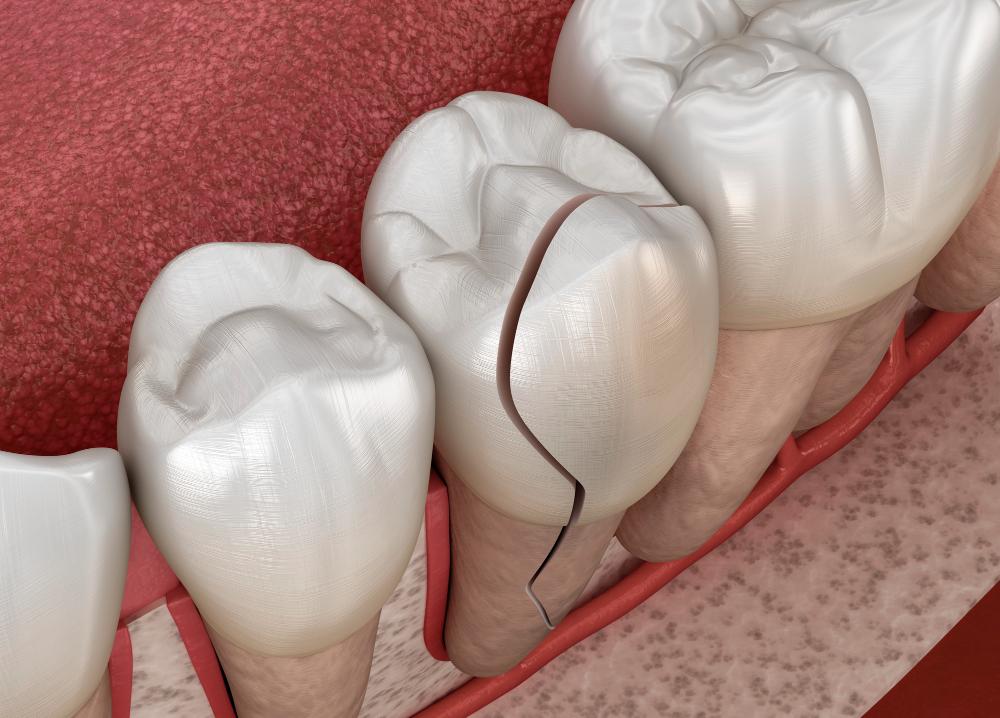
Have you noticed small cracks or fractures in your teeth and wondered, “Why do I have cracks in my teeth?” Cracked teeth are a common dental issue that can range from tiny surface cracks to more severe fractures that can affect the inner structure of the tooth.
These cracks can occur for many reasons, some of which might be linked to everyday habits or environmental factors. Understanding the causes behind tooth cracks can help you take steps to prevent them and seek appropriate treatment.
What Causes Cracks in Teeth?
There are many potential reasons why cracks appear in teeth, ranging from physical trauma to simple wear and tear. Here are some of the most common causes.
Teeth Grinding (Bruxism)
One of the most common reasons for cracked teeth is teeth grinding, a condition known as bruxism. This often occurs while sleeping, though some people may grind their teeth during the day, especially when stressed or anxious.
The pressure caused by grinding can result in cracks forming in the tooth enamel. Over time, these cracks can deepen, leading to more significant fractures.
Chewing Hard Foods or Objects
Habitually chewing hard foods, such as ice, hard candy, or even unpopped popcorn kernels, can cause stress on your teeth and lead to cracks.
Biting down too hard on hard objects can result in cracks, especially if your teeth are already weakened by other factors like decay or previous dental work. It’s important to avoid chewing on hard substances to protect your teeth from damage.
Age-Related Wear and Tear
As we age, our teeth undergo natural wear and tear from years of chewing and biting. The enamel that protects our teeth tends to wear down over time, making the teeth more vulnerable to cracks and fractures.
Older adults may also experience a decrease in the restorative properties of their saliva, which helps protect and remineralize teeth. This makes teeth more likely to crack as they become less resistant to the pressures of daily use.
Poor Oral Hygiene
Neglecting proper oral hygiene can lead to weakened enamel, making your teeth more susceptible to damage. Plaque buildup and untreated cavities can cause the enamel to erode, making it more vulnerable to cracks. If left untreated, small cracks in the enamel can deepen, eventually causing pain or even tooth loss.
Smoking and Tobacco Use
Smoking and using tobacco products also contribute to a buildup of plaque and tartar on your teeth. This thick, sticky substance can weaken the enamel, making it more prone to cracks and other damage.
How Do You Know If You Have Cracks in Your Teeth?
Cracks in teeth range from small, shallow fractures that only affect the enamel to larger cracks that extend into the tooth’s pulp. Some cracks are easy to notice, while others may not show visible signs until they become more severe. Common symptoms of cracked teeth include:
- Pain when chewing or biting down
- Sensitivity to hot or cold temperatures
- Swelling in the gums surrounding the cracked tooth
- Unexplained discomfort or sharp pain that comes and goes
How Are Cracked Teeth Treated?
Treatment for cracked teeth depends on the size and severity of the crack. Some cracks can be repaired with simple cosmetic treatments, while others may require more extensive procedures. Here are some common treatments for cracked teeth:
- Remineralization: For very small cracks that only affect the enamel, remineralization with fluoride or calcium treatments can help restore the tooth’s strength and prevent further damage.
- Composite Restorations: For larger cracks that affect the tooth’s surface, a composite filling material can be applied to seal and protect the tooth.
- Crowns: If the crack is more extensive but the tooth is still salvageable, your dentist may recommend placing a dental crown over the tooth to restore its structure and prevent further fractures.
- Root Canal Therapy: If the crack extends into the pulp of the tooth, a root canal may be necessary to remove the damaged tissue and save the tooth.
- Extraction: In some cases, if the crack is too severe and the tooth cannot be saved, extraction may be required. After extraction, dental implants or bridges may be used to restore the tooth.
Restore Your Smile with Trusted Dental Treatment
If you’re dealing with cracked teeth, it’s important to seek professional care to address the issue and prevent further damage.
At Dr. Alex Rubinov’s office, we offer comprehensive dental treatments to repair cracked teeth and restore your smile. Our team uses advanced techniques to ensure that your teeth are treated with the utmost care, helping you regain both function and aesthetics. Schedule your consultation with Dr. Alex Rubinov today.