
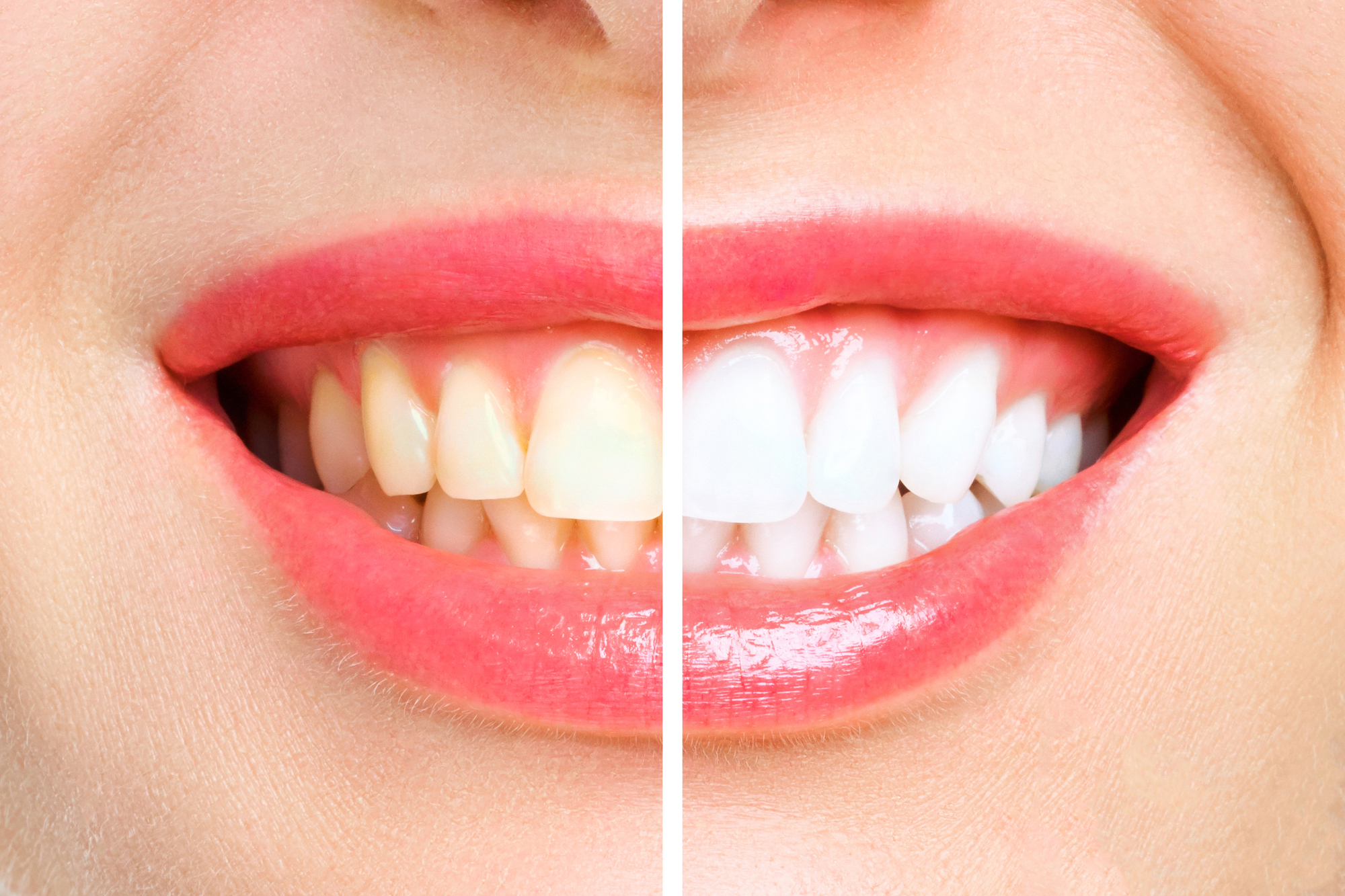
The allure of a dazzling white smile has led countless individuals to seek teeth whitening treatments. While these procedures often yield impressive results, an unforeseen side effect for some is increased tooth sensitivity. Understanding the relationship between sensitive teeth whitening processes is crucial for those venturing into the realm of cosmetic dentistry. In this article, we’ll unearth the underlying reasons for this sensitivity and offer insights into mitigating discomfort.
The Whitening Agents: A Double-Edged Sword
At the heart of most whitening procedures are powerful bleaching agents, usually hydrogen peroxide or carbamide peroxide. These agents penetrate the enamel to reach the discolored molecules inside the teeth. While they effectively break down these stains, they can also temporarily make the tooth enamel more porous.
What this means:
With increased porosity, external stimuli can more easily reach the inner layers of the tooth, where nerves reside. This heightened access is often the primary reason for the sharp, sudden pain or lingering discomfort some individuals experience after a whitening session.
Exposure Of Dentin: Beneath The Surface
Dentin is the layer right below the enamel, housing numerous microscopic tubules that lead directly to the nerve center of the tooth. If the enamel gets excessively thinned or if the whitening process exposes more of the dentin, sensitivity can spike.
Deeper Dive:
The permeable nature of dentin, combined with its direct connection to the tooth’s nerve, makes it particularly susceptible to sensations. Cold air, sweet foods, or even a burst of heat can trigger pain when they come in contact with exposed dentin, making post-whitening periods a bit challenging for some.
Gum Irritation: The Overlooked Culprit
While sensitive teeth whitening is often attributed to the teeth themselves, the gums can also play a role. If the whitening gel comes into contact with the gums, it can cause irritation, inflammation, or minor burns. This gum discomfort can exacerbate the feeling of tooth sensitivity.
The Connection:
Healthy gums form a protective seal around the base of each tooth. If they become irritated or inflamed, they may recede slightly, exposing the tooth’s root. Unlike the crown of the tooth, which is protected by enamel, the roots are covered by a thinner material called cementum. Once exposed, these areas can be more sensitive to stimuli, amplifying the sensation of pain.
Individual Predisposition: Everyone’s Unique
It’s essential to recognize that everyone’s oral environment is unique. Some individuals inherently have thinner enamel or are more prone to sensitivity due to factors like genetics, diet, or oral hygiene habits. For these individuals, any external procedure, including whitening, can heighten sensitivity.
Personalized Approach:
For those who are aware of their predisposition to sensitivity, it’s essential to communicate this with the dental professional. They can recommend milder treatments, provide desensitizing products, or suggest specific aftercare routines to minimize discomfort.
While the journey to a brighter smile via teeth whitening is enticing, being well-informed about potential side effects ensures a smoother experience. The connection between sensitive teeth whitening procedures is grounded in the science of our dental anatomy and the effects of whitening agents. Armed with this knowledge, individuals can take proactive measures, like using sensitivity toothpaste or avoiding extreme temperatures, to mitigate post-whitening discomfort.