
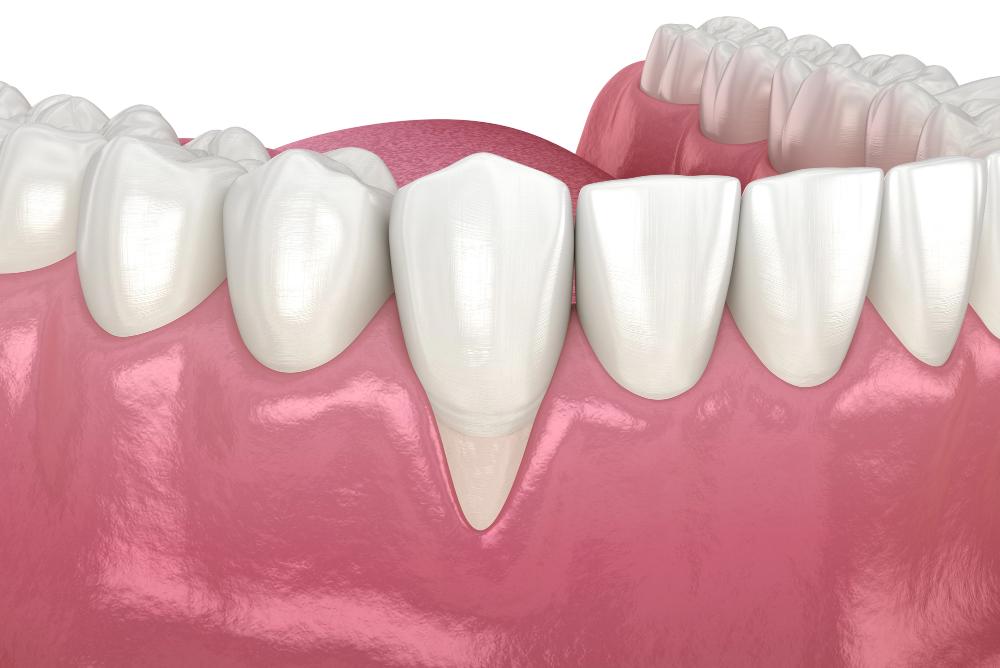
Receding gums can change the way your smile looks and feels. Many people explore cosmetic solutions like veneers to improve their appearance, especially when the gumline begins to pull back and expose more of the tooth. While veneers and gum recession often appear together in treatment discussions, it’s important to understand what veneers can do and what they can’t.
Veneers offer a cosmetic boost by covering imperfections like discoloration, chips, or uneven spacing. For someone dealing with gum recession, veneers might seem like the obvious next step.
However, it’s not as straightforward as simply placing them over the teeth. Receding gums typically point to an underlying oral health issue that must be addressed before cosmetic work begins.
Understanding Gum Recession
Gum recession happens gradually. The pink tissue that supports and protects your teeth starts to pull away, exposing the root surfaces beneath.
This can result in sensitivity, an increased risk of decay, and a longer or “toothier” smile. The most common causes include gum disease, harsh brushing techniques, tobacco use, genetic predisposition, and clenching or grinding the teeth.
Once the gumline recedes, it doesn’t grow back on its own. In some cases, surgical procedures like gum grafts are needed to restore the lost tissue. This makes early diagnosis and intervention especially important. Treating the root cause of recession should always be the first step before considering cosmetic treatments.
What Veneers Can (And Can’t) Do
Veneers are custom-made porcelain shells designed to bond to the front of your teeth. They’re a long-lasting, natural-looking way to enhance your smile.
In cases where gum recession has led to visible tooth roots or a misshapen gumline, veneers can help camouflage these imperfections and create a more symmetrical appearance.
However, veneers don’t correct the recession itself. If you’re dealing with advanced gum loss, simply applying veneers may not result in a healthy or durable outcome. Teeth with exposed roots are more vulnerable to damage, and bonding veneers to these surfaces may not hold up over time. For this reason, treating the gums first is often necessary.
Building the Right Treatment Plan
The best results happen when cosmetic goals and oral health are addressed together. In many cases, patients undergo gum grafting procedures to rebuild the tissue that has receded. Once healing is complete and the gumline is stable, veneers may be added to improve aesthetics.
Your treatment plan will depend on several factors, such as the severity of the recession, the condition of the surrounding teeth, and what you’d like to improve about your smile. For those who have both gum recession and concerns like discoloration, chips, or worn enamel, a comprehensive approach that combines periodontal care and veneers may deliver the best outcome.
When Cosmetic Dentistry Meets Gum Health
Treatments for gum recession and cosmetic dentistry don’t have to be at odds. In fact, they can work hand in hand. Once your gums are healthy and stable, veneers can be a great way to finish the transformation, which gives your smile a refreshed, youthful look.
It’s also important to maintain that outcome through consistent oral hygiene and follow-up care. Brushing gently with a soft-bristled brush, avoiding tobacco, and seeing your dentist regularly can help keep your gums in good shape and protect your investment in your smile.
Get Personalized Care You Can Trust
If you’re thinking about veneers and gum recession, it’s important to work with a provider who understands the balance between function and aesthetics. At the practice of Dr. Alex Rubinov, we help patients create long-term treatment plans that restore gum health and build confident smiles. Visit DrAlex.nyc to schedule a consultation and explore your options.