
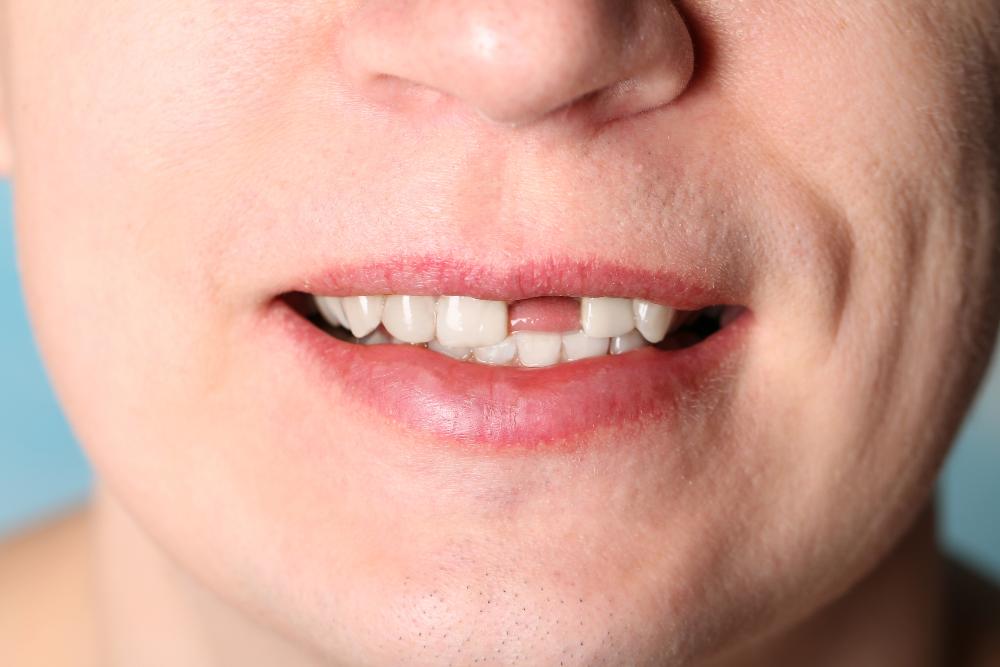
Accidents happen unexpectedly and sometimes result in the complete displacement of a tooth from its socket, a condition known as tooth avulsion. This dental emergency requires prompt and appropriate action to increase the chances of successful tooth reimplantation. Recognizing the causes, understanding the immediate signs, and knowing the correct first aid steps are vital for individuals in New York City who value their oral health. Let us explore this critical dental concern.
Primary Causes of Complete Tooth Displacement
Traumatic injuries represent the most frequent instigators of tooth avulsion among adults and children. Sports-related incidents, falls, and vehicular accidents often lead to forceful impacts on the face and mouth. Physical altercations or accidental blows to the jaw can also dislodge teeth entirely from their alveolar sockets. These sudden and intense forces overwhelm the supporting structures of the tooth, causing its complete separation from the bone and surrounding tissues.
Dental professionals observe that certain factors may elevate an individual’s susceptibility to tooth avulsion. For instance, prominent front teeth experience a greater risk of injury due to their exposed position in the mouth. Malocclusion, or misaligned teeth, can also make specific teeth more vulnerable to traumatic displacement during an accident. Individuals who participate in contact sports without proper mouth protection face a significantly higher chance of experiencing this type of dental trauma.
Immediate Symptoms Following Tooth Avulsion
The most apparent symptom of tooth avulsion involves the complete absence of a tooth from its usual position in the gum line. Bleeding from the empty socket occurs almost immediately after the tooth gets knocked out. Individuals often report experiencing significant pain in the affected area due to the trauma to the surrounding nerves and tissues. Swelling of the gums and the adjacent soft tissues around the missing tooth is also a common immediate reaction.
Beyond the visible loss of the tooth, individuals might notice other accompanying symptoms after tooth avulsion. The socket area appears visibly empty and may contain blood clots. Damage to the surrounding bone or soft tissues, such as lacerations or bruising on the lips or gums, can also be present. In some instances, adjacent teeth may sustain damage, becoming loose or fractured due to the impact that caused the avulsion.
Critical First Aid Steps After Tooth Loss
Prompt action significantly improves the prognosis for a reimplanted avulsed tooth; therefore, handle the tooth carefully. Locate the dislodged tooth and pick it up by the crown, avoiding contact with the root surface. If the tooth is dirty, gently rinse it under cool, running water for no more than ten seconds to remove debris. Do not scrub the tooth or remove tissue fragments attached to it, as these can aid in successful tooth reimplantation.
Attempt to place the clean tooth back into its socket if possible, ensuring it faces the correct way. Gently push it in with your fingers until it sits flush with the adjacent teeth. If immediate tooth reimplantation is not feasible, store the tooth properly. The best storage medium is the patient’s own saliva; place the tooth in the mouth between the cheek and gums. Alternatively, store the tooth in cold milk or a balanced salt solution, readily available at most pharmacies.
Restore Your Smile with Expert Tooth Reimplantation in New York
If you’ve experienced a knocked-out tooth, seek immediate care from Dr. Alex Rubinov—your trusted tooth reimplantation dentist in New York. Our skilled team acts quickly and precisely to improve the chances of saving your natural tooth. With advanced techniques and expertise in handling dental trauma, we provide fast, compassionate care when you need it most. Prompt attention from an emergency dental specialist can make all the difference. Contact Dr. Alex Rubinov now for expert support and a strong commitment to restoring your smile and oral health.