
Quick Summary
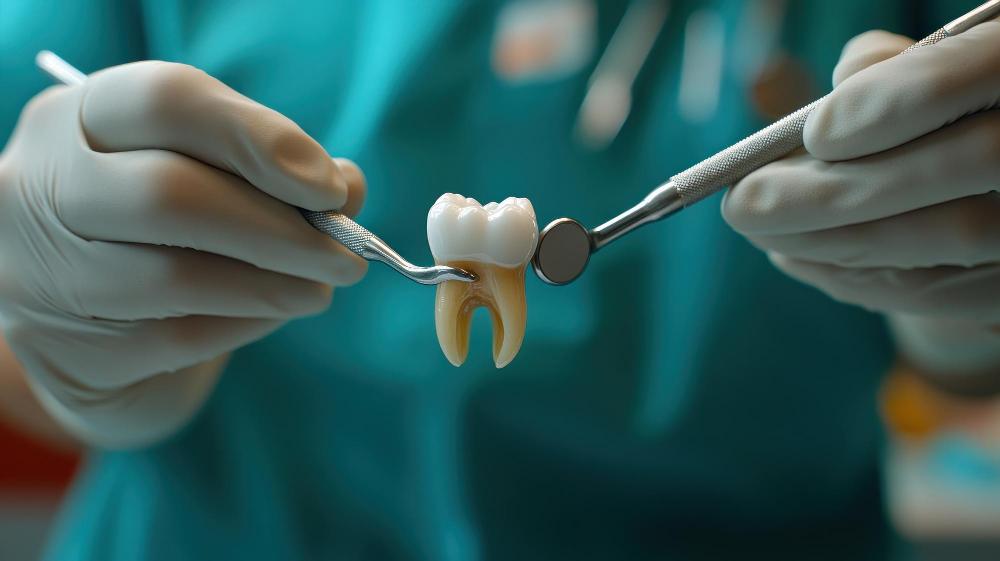
Dental professionals determine your procedure type by looking at tooth visibility. Visible teeth receive a basic removal using hand instruments under local numbing. Hidden, broken, or trapped teeth require an operation involving gum incisions or sectioning to safely remove the structures.
When dental damage or crowding occurs, knowing the difference between a simple and a surgical extraction helps clear up confusion. Patients can access professional tooth extraction services to address pain, eliminate infection, and safeguard their overall oral health.
At Dr. Alex Rubinov, our team delivers premier care to keep your smile healthy and vibrant. As a trusted dental clinic in New York, NY, we offer precise diagnostic tools and personalized attention for every single procedural visit.
Why Tooth Accessibility Determines Your Extraction Type
Tooth removal serves as a frequent dental solution for severe decay, crowding, or injury. The primary factor that determines the style of your procedure is whether the tooth sits entirely above the gumline. If a dentist can grasp the structure easily, the process remains basic.
Digital X-rays offer a clear look at the roots and surrounding bone structure. This advanced imaging guides the dental team in selecting the safest removal method. Visible structures allow straightforward access, while hidden areas mean an advanced approach is necessary to avoid complications.
When Simple Tooth Extractions Are Most Effective
A basic extraction applies to a fully erupted tooth that remains completely visible in the mouth. Dentists favor this option when they can easily secure the crown. This method treats straightforward cases without needing deep incisions into your soft tissue.
Clinical scenarios for this approach include extensive decay that leaves the upper tooth structure stable. Orthodontic alignment plans also utilize this method to open up space. Furthermore, advanced periodontal issues that loosen teeth make this basic removal technique highly effective.
The standard process relies on local anesthesia to numb the surrounding area. The practitioner uses a specialized tool called an elevator to gently loosen the root connection. Afterward, forceps hold the crown to lift the tooth out from its socket smoothly.
Clinical Scenarios Requiring Surgical Dental Interventions
An advanced operation becomes necessary when treating hard-to-reach, hidden, or compromised structures. This method targets teeth that remain trapped beneath bone or gum tissue. It prevents damage to nearby nerves and neighboring teeth during difficult removals.
Impacted wisdom teeth represent the most common reason for this advanced intervention. Teeth that break off completely below the gumline also demand an operative approach. Additionally, teeth with highly curved, multi-rooted shapes require this specialized care.
The structural process involves making a small incision in the gum tissue to see the target area. The practitioner might remove minor amounts of surrounding bone to clear a path. Often, sectioning the tooth into small pieces aids safe removal.
Choosing The Right Dental Specialist for Care
General dental practitioners safely manage straightforward removals on fully visible teeth. Their training covers standard techniques, making them ideal for common extraction needs. They evaluate your mouth to decide if your case fits their office setting.
Complex situations benefit from the specialized training of a board-certified oral surgeon. Impacted, deeply fractured, or poorly positioned roots demand this elevated level of skill. Your practitioner will refer you to a specialist to attain optimal results.
Experience Exceptional Care at Dr. Alex Rubinov Today
Your oral health impacts your total body wellness, so choosing a premium team matters. We craft stunning smile transformations and protect your oral health at Dr. Alex Rubinov. Our team delivers personalized general dentistry and advanced aesthetic enhancements in a comfortable environment.Visit our premier dental clinic in New York, NY, to discover our state-of-the-art diagnostic tools. We create tailored plans to help you achieve a beautiful, healthy smile that boosts your confidence. Contact us for top-tier dental services and experience what Dr. Alex Rubinov can do for you.
FAQs
What is the main difference between a basic and operative extraction?
Visibility determines the category of your dental procedure. A basic removal treats a tooth completely visible above your gums. An operative extraction handles a tooth hidden underneath the tissue or broken apart into pieces below your gumline.
How long does recovery take for a standard tooth removal?
Superficial tissue healing finishes within seven to fourteen days for basic cases. Operative procedures demand a longer period of two to four weeks. Total bone remodeling in the jaw takes several months to complete under the surface.
Will I experience pain during my operative dental procedure?
Advanced sedation techniques prevent pain during your appointment. Local numbing and intravenous options keep you relaxed and comfortable. Your dental practitioner monitors your comfort level throughout the process to maintain a peaceful experience.