
Quick Summary
Orthodontic treatment focuses on correcting tooth alignment and bite issues, while periodontal treatment targets the gums and bone that support your teeth. Understanding the difference can help you receive the right care at the right time. In many cases, healthy gums are the first priority before teeth can be safely moved.
Choosing between orthodontic and periodontal treatment depends on the source of the problem. Orthodontics is designed to improve tooth position, bite alignment, and jaw relationships.
Periodontal care treats gum disease, inflammation, and damage affecting the tissues that hold teeth securely in place. Some patients only require one type of treatment, while others achieve the best results through a coordinated treatment plan involving both.
At our Midtown practice, we evaluate every aspect of your smile before recommending treatment. Tooth alignment, gum health, bone support, facial harmony, and future restorative goals all influence the treatment strategy.
What Orthodontic Care Treats
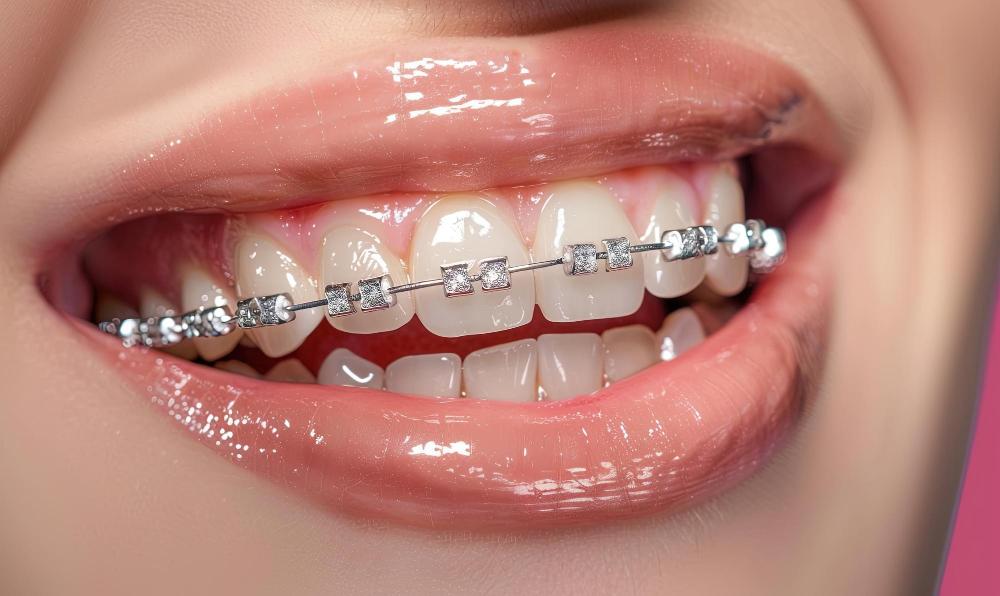
Orthodontic treatment moves teeth through bone using controlled force. It can address crowding, spacing, rotations, overbite, underbite, crossbite, open bite, and other alignment concerns. Treatment options may include braces, removable appliances, or clear aligners such as Invisalign.
The purpose of orthodontics extends beyond creating straighter teeth. Proper alignment can improve chewing efficiency, make brushing and flossing easier, establish healthier contacts between neighboring teeth, and distribute bite forces more evenly.
After treatment, retainers are typically recommended to help maintain the new tooth positions over the long term.
What Periodontal Care Treats
Periodontal care focuses on protecting and restoring the tissues that surround and support the teeth.
Early-stage gum disease, known as gingivitis, often causes redness, swelling, and bleeding without damaging the underlying bone. More advanced periodontal disease, or periodontitis, can lead to attachment loss, bone deterioration, and tooth mobility.
Periodontal specialists also manage gum shape and soft tissue around restorations or dental implants. Healthy, stable tissue is especially important when margins, symmetry, or implant contours will be visible in the smile.
Why Gum Health Often Comes First
Moving teeth through tissue affected by active periodontal disease can increase risk. Inflammation, deep pockets, and unstable bone should be evaluated and controlled before active orthodontic force begins. Once the gums are stable, tooth movement may sometimes improve spacing, cleaning access, or the position of teeth within the supporting bone.
Adults with a history of periodontitis may still be candidates for orthodontic treatment, but the plan often uses lighter forces, closer monitoring, and shared care. Periodontal maintenance continues during treatment because brackets, attachments, or crowding can make plaque control more demanding.
Signs You May Need Orthodontic Care
Orthodontic treatment may be recommended if you experience:
- Crowded or overlapping teeth
- Spaces between teeth
- An uneven or uncomfortable bite
- Difficulty cleaning around rotated teeth
- Repeated tooth wear in certain areas
- Teeth that appear misaligned when smiling
Some bite problems are subtle and may only become apparent after digital scans, photographs, and a detailed bite evaluation.
Signs You May Need Periodontal Care
Periodontal treatment may be appropriate if you notice:
- Bleeding gums during brushing or flossing
- Persistent bad breath
- Gum recession
- Swollen or tender gums
- Loose teeth
- Pus around the gums
- Deep periodontal pockets
- Bone loss visible on dental X-rays
Gum disease often develops gradually and may not cause pain until it has progressed significantly. Routine examinations remain the most reliable way to detect periodontal problems early.
When Both Treatments Support a Smile Plan
A comprehensive smile makeover may involve positioning teeth first, stabilizing or reshaping gum tissue, and then completing veneers, crowns, bonding, or whitening. The order matters. Correct sequencing can reduce unnecessary tooth preparation and create more balanced proportions.
For example, clear aligners may close spaces or correct tooth rotation before cosmetic dentistry begins. Periodontal treatment can then improve gum symmetry or tissue health before final restorations are placed.
Not every patient requires every stage, making a thorough diagnosis essential before developing a personalized treatment plan.
Plan Coordinated Care With Dr. Alex Rubinov
At Dr. Alex Rubinov’s office, we evaluate tooth alignment and periodontal health as equally important parts of a healthy smile. Our examination helps determine which concerns should be addressed first and when collaboration with an orthodontist or periodontist may produce the best long-term results.
Schedule an evaluation if you have crowded teeth, bite changes, bleeding gums, gum recession, or are considering cosmetic dentistry that may benefit from coordinated treatment. We will create a personalized treatment plan focused on improving both your oral health and your smile.
Frequently Asked Questions
Can orthodontics fix gum disease?
No. Orthodontic treatment does not eliminate periodontal infection or treat gum disease. Active periodontal problems must be diagnosed and treated first. Once the gums are healthy and stable, orthodontic treatment may be considered if appropriate.
Can I wear clear aligners if I have bone loss?
Possibly. Eligibility depends on the severity and pattern of bone loss, current gum health, tooth stability, and your periodontal maintenance plan. A comprehensive evaluation is necessary before treatment begins.
Who decides which treatment comes first?
The sequence is based on shared diagnostic findings. The restorative dentist, orthodontist, and periodontist may coordinate so that disease control, movement, and final restorations support one another.