
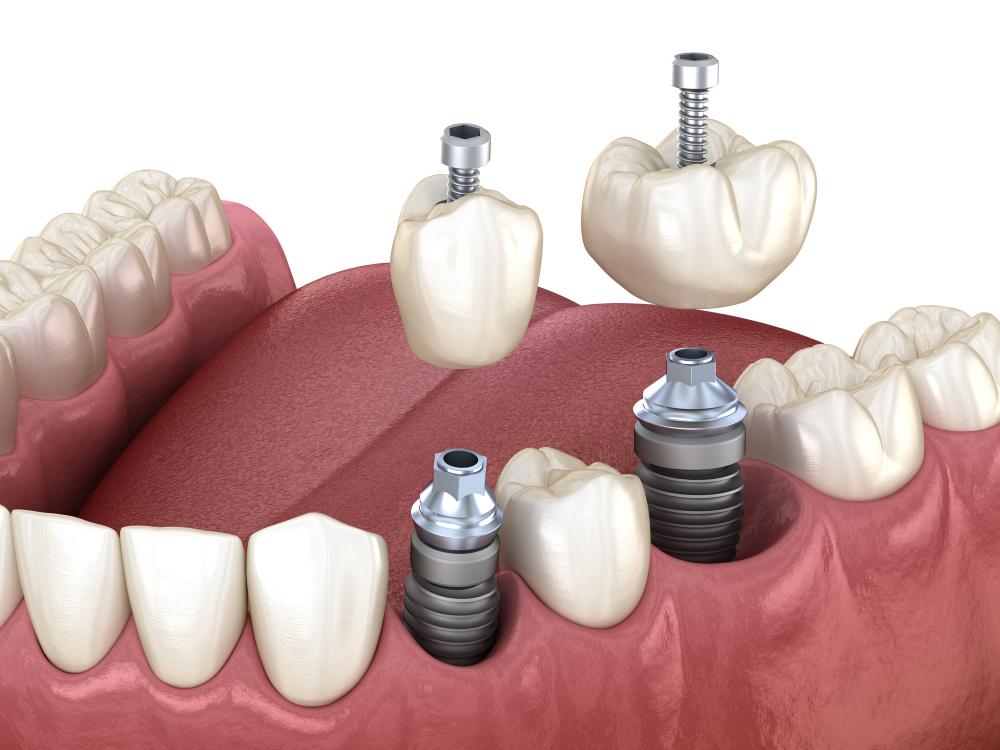
If you are missing a molar, you may notice difficulty chewing or uneven pressure across your bite. Molars are vital for grinding food and supporting the alignment of your jaw. When one is lost, nearby teeth can shift, and bone tissue in the jaw may begin to shrink. Molar dental implants offer a long-term solution by replacing the missing tooth root and restoring full chewing function.
Molar dental implants present a reliable way to restore both the appearance and function of a natural molar. This article explains the benefits, treatment steps, and recovery timeline of this procedure.
Understand the Benefits of Molar Dental Implants
Replacing a missing molar with a dental implant can help stabilize your bite and restore your ability to chew properly. Because the implant is placed directly into the jawbone, it helps maintain bone volume in the area and reduces the risk of further bone loss.
Molar implants do not rely on adjacent teeth for support. This helps preserve your overall dental structure. They are designed to function like your natural teeth and give you comfort during everyday activities. Many patients find that an implant feels secure and integrates well with their existing dental work.
Learn the Process of Implant Placement
Treatment begins with a full evaluation to determine whether the area is ready for implant placement. If the molar is still present but damaged, it may need to be extracted before any further steps are taken. In some cases, bone grafting is recommended to improve the strength of the jawbone and provide a solid base for the implant.
Once the area is prepared, a titanium post is placed into the bone where the molar once sat. Over time, the bone heals around the post to create a stable anchor for the future crown.
Follow the Right Steps During Recovery
The first few days after surgery may involve mild swelling or tenderness near the implant site. Most patients manage this with cold compresses and over-the-counter or prescribed medication. A soft-food diet is often advised during the initial healing period to avoid pressure on the implant.
Osseointegration, the process of the bone attaching to the implant, can take several months depending on your case. During this time, maintaining oral hygiene and attending follow-up visits are both important for long-term success.
Book a Consultation with Dr. Rubinov Today
If you’re considering molar dental implants, scheduling a consultation with Dr. Alex Rubinov is a smart first step. He offers a modern, individualized approach to tooth replacement backed by extensive training in restorative and cosmetic care.
Our Manhattan-based practice combines advanced technology with precision and comfort. Patients receive personal attention at every stage, from assessment through final placement. You can book your appointment today and learn whether this treatment is the right solution for your smile.