
Cavities are one of the most common reasons people visit the dentist, and catching them early can help prevent more serious dental problems. If you’re wondering, “How long does it take to fill a cavity,” you’re not alone. Many patients want to know what to expect before committing to an appointment. While every case is different, most fillings are completed quickly and with minimal discomfort.
Understanding the Procedure
Before the filling begins, the dentist will numb the area around your tooth using a local anesthetic. Once the tooth is fully numb, the decayed portion is removed using specialized instruments.
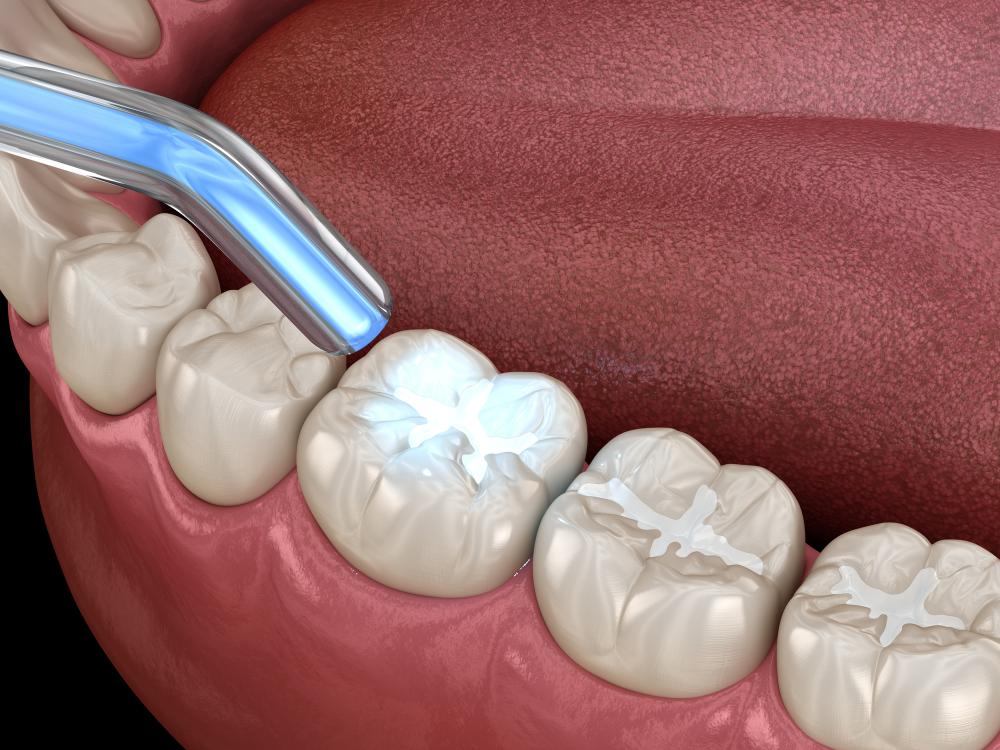
After that, the tooth is cleaned to remove debris or bacteria from the cavity. The filling material is then applied in layers and shaped to match your natural bite. The final step is polishing. This helps the filling blend with your tooth.
How Long Does It Take to Fill a Cavity?
In many cases, a single filling can be completed in 20 to 60 minutes. The time depends on factors such as the size of the cavity, the type of tooth involved, and whether multiple teeth need treatment.
Smaller cavities tend to take less time, especially when caught early during a routine checkup. Larger or deeper cavities may require more attention, particularly if they are close to the nerve. If multiple fillings are done in one visit, expect the appointment to take longer.
Size and Location Make a Difference
The position of the cavity in your mouth affects the treatment time. Front teeth are easier to access and typically faster to treat than molars. They sit farther back and may require more effort to reach. Shallow cavities are generally quicker to clean and fill compared to those that extend deep into the tooth.
Timing can also vary depending on how well the tooth responds to anesthesia. Each case is unique. That’s why the timing is always based on your specific situation.
Different Filling Materials Take Different Times
The material your dentist uses can influence how long the appointment lasts. Composite resin, which is tooth-colored and widely used, often takes longer to place because it is applied in layers and cured with a special light. Silver amalgam is usually faster to place, though it is less commonly used in modern cosmetic dentistry. Some fillings, such as gold or porcelain, may require two visits since they are made outside the office in a dental lab.
What Happens After the Appointment
After your filling is placed, your mouth may remain numb for a few hours. It’s common to feel mild sensitivity, especially to hot or cold foods. This typically fades within a few days. You’ll be able to return to your normal activities the same day. Your dentist may suggest avoiding hard or sticky foods on the treated side for the rest of the day.
When to Book Your Appointment
If you’ve been experiencing tooth sensitivity, sharp pain while chewing, or visible dark spots on a tooth, it’s a good time to schedule an evaluation. Waiting too long can allow the cavity to progress. This may lead to more complex treatment down the road.
A dental filling is a straightforward way to stop decay and preserve the strength of your tooth. Dr. Alex Rubinov brings a high level of skill and attention to every treatment, whether it is a smile makeover or teeth whitening. At our dental practice, we use advanced methods to create results that look and feel natural.
If you’re looking for trusted care in Midtown Manhattan, booking a consultation with Dr. Rubinov is a smart step toward protecting your oral health.