
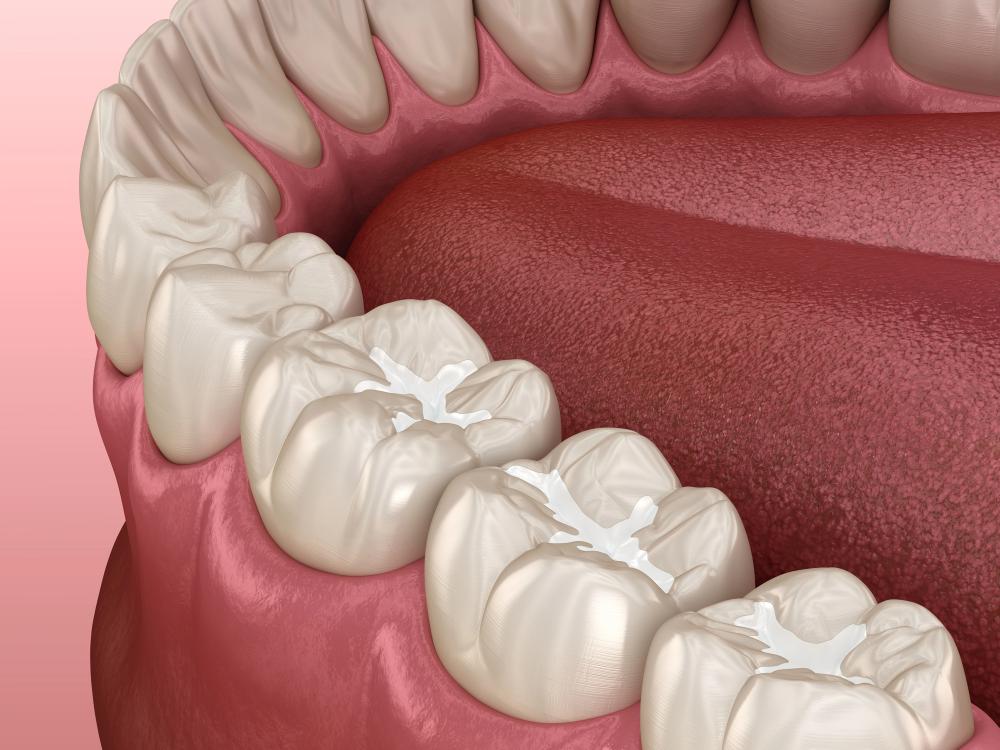
Dental sealants are a popular preventive treatment to protect your teeth from cavities, but you might be wondering how long dental sealants last and what factors influence their durability. With proper care, sealants can offer years of protection for your teeth, but understanding their lifespan can help you make informed decisions about your oral health. Dr. Alex Rubinov, a leading cosmetic dentist in New York City, shares insights on what you can expect and how to keep your sealants effective.
What Are Dental Sealants?
Dental sealants are clear or tooth-colored resin layers placed over the uneven biting surfaces of the back teeth. Because these areas have narrow crevices that are hard to brush effectively, they are at higher risk of developing cavities. This protective layer shields those hard-to-reach spaces, helping prevent harmful buildup from settling into the enamel. The application process is painless and usually completed in a single dental visit, which makes it an attractive option for both children and adults looking to preserve their dental health.
Average Lifespan of Sealants
Most dental sealants last between 5 and 10 years, depending on various factors. Some may start to wear down or chip sooner, while others can remain intact for over a decade with proper care. The material used for the sealant and your oral habits play a large role in determining how long your sealants remain effective.
Regular dental checkups are important because your dentist can examine your sealants for wear and reapply them if needed, helping you maintain protection over time. In addition, lifestyle choices such as avoiding very sticky or hard foods can extend the life of your sealants. Paying attention to early signs of wear allows your dentist to address issues promptly, preventing decay in areas that were once protected.
Factors That Affect Sealant Longevity
Several elements can influence how long your dental sealants last. Chewing hard foods, grinding your teeth, or frequent exposure to acidic beverages can cause sealants to wear down faster. Additionally, oral hygiene practices can impact their lifespan. Brushing twice a day, flossing, and avoiding habits like nail biting or chewing on pens can help preserve the coating. Genetics and the natural shape of your teeth may also affect how well sealants adhere over time, which is why personalized evaluation by a dentist like Dr. Alex Rubinov is valuable.
Signs It May Be Time for Replacement
You may need to have your sealants reapplied if you notice chipping, cracking, or visible wear. Sometimes a dentist can detect minor issues during routine cleanings before they become noticeable to you. Maintaining regular dental visits is the best way to track the condition of your sealants and protect your teeth from cavities. Catching wear early allows your dentist to refresh the sealant and extend its benefits without compromising your oral health.
Dental sealants are an effective tool to help protect your teeth for years, but their longevity depends on several factors, including your habits, diet, and regular dental care. Understanding how long dental sealants last can help you plan for maintenance and keep your smile healthy. Our office offers a range of preventive and cosmetic dental services that cater to your unique needs. We offer high-quality sealants and treatments that protect your teeth while maintaining a natural, confident smile.