
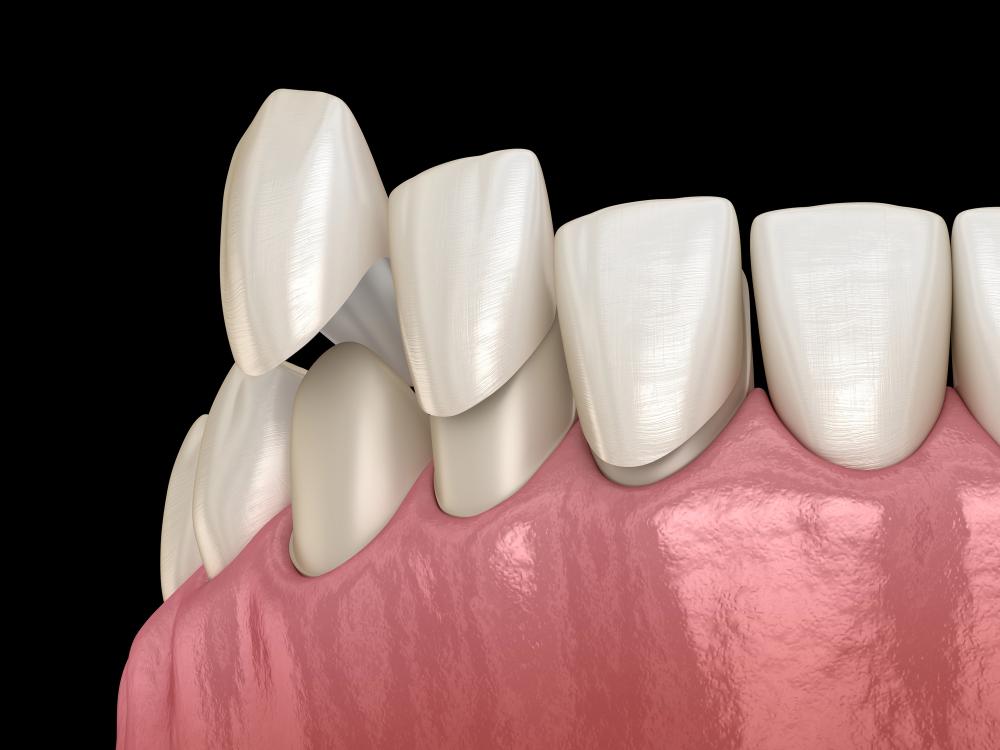
Imagine a radiant smile that exudes confidence and charm, a smile often enhanced by the artistry of porcelain veneers. These thin, custom-made shells bond to the front surface of teeth, transforming their appearance and creating a flawless aesthetic. Many people wonder about this investment’s longevity and maintenance, particularly if the natural teeth beneath the veneers remain susceptible to decay. This post addresses the crucial question: Can you get a cavity with veneers? Let’s examine the protective nature of veneers and the essential practices for maintaining a healthy smile.
How Porcelain Veneers Protect Your Teeth
Porcelain veneers act as a shield for the underlying tooth structure, covering the front surface and protecting it from direct exposure to harmful bacteria and acids present in the mouth. The smooth, non-porous surface of porcelain resists the accumulation of plaque and tartar, which are primary contributors to the development of dental cavities on natural teeth. This barrier significantly reduces the risk of decay on the surfaces that the veneers cover, offering a strong defense against potential damage.
However, veneers do not provide complete immunity against cavities, especially in areas where the natural tooth is still exposed, such as the margins where the veneer meets the gum line. If oral hygiene practices are inadequate, bacteria can still accumulate along these edges and infiltrate the tooth structure. Therefore, while veneers offer substantial protection to the covered surfaces, diligent care of the entire mouth remains paramount for preventing decay.
Proper Oral Hygiene With Veneers Installed
Maintaining excellent oral hygiene is paramount for individuals with porcelain veneers to ensure their longevity and prevent cavity formation. Brushing at least twice a day with a soft-bristled toothbrush and fluoride toothpaste helps remove plaque and food debris from all surfaces of the teeth, including the veneer margins. Flossing daily reaches areas between teeth and along the gum line that brushing cannot access, effectively disrupting bacterial buildup.
Using a non-abrasive mouthwash can further help reduce bacteria in the mouth and promote a healthy oral environment. Regular professional dental cleanings are also essential; hygienists possess specialized tools to remove tartar and plaque that regular brushing and flossing may miss, particularly in hard-to-reach areas around the veneers. Consistent oral care habits safeguard both the veneers and the natural teeth.
Signs of Decay Under Porcelain Veneers
Detecting decay under or around porcelain veneers can be challenging, but certain signs may indicate a problem. Increased sensitivity to hot, cold, or sweet foods and drinks around a veneered tooth warrants attention. The appearance of dark spots or lines along the margins of the veneer where it meets the gum line could also signal decay. So, can you get a cavity with veneers? Yes—while veneers cover the front surface, the underlying tooth is still vulnerable to cavities if not properly cared for.
Sometimes, a change in the color or texture of the gum tissue surrounding the veneer might indicate an underlying issue. Persistent bad breath or an unpleasant taste in the mouth can also be a symptom of bacterial buildup and potential decay. If any of these signs appear, prompt consultation with a dentist is crucial for early diagnosis and treatment to prevent more extensive damage.
Schedule Your Porcelain Veneers Consultation with Dr. Alex Rubinov in NYC
Dreaming of a flawless smile transformation? Discover the artistry of porcelain veneers specialists in NYC at Dr. Alex Rubinov’s practice. We craft personalized veneer solutions that enhance your natural beauty and protect your teeth. As a top-rated cosmetic dentistry practice in NYC, our skilled team delivers exceptional care with a focus on your comfort and desired aesthetic outcomes. Contact us today to schedule your consultation and begin your journey to a radiant, confident smile.