
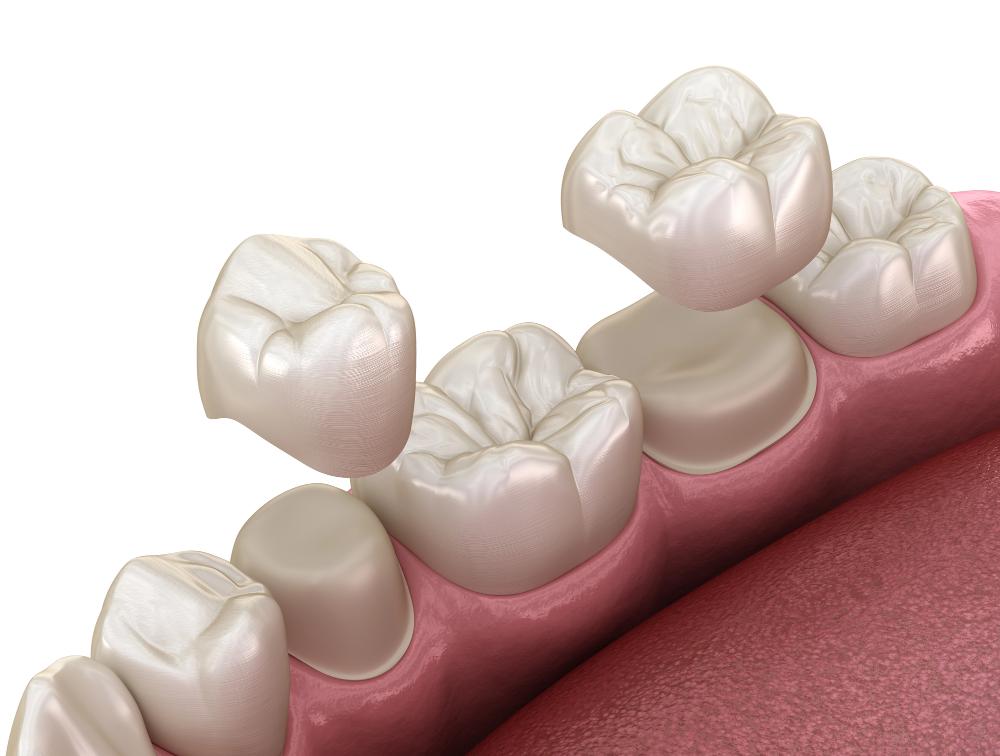
After getting a dental crown, you may wonder when it is safe to eat. Can you eat after getting a crown? While it is generally safe to eat after your procedure, it is best to wait a bit before eating certain foods. It is important to follow the advice of your dentist to avoid damaging the new crown or causing discomfort.
How Long Should You Wait to Eat After a Crown?
After getting a dental crown, it is important to wait for the anesthesia to wear off before eating. This can take a few hours, and eating while numb may lead to biting your cheek or tongue accidentally.
It’s best to stick to soft foods once you can eat. Avoid anything too hard or sticky for at least the first 24 hours after your procedure to avoid putting pressure on the crown. Your dentist will give you specific guidelines for when you can resume your normal eating habits.
Foods to Avoid After Getting a Dental Crown
Certain foods can interfere with healing after crown placement. Very hard foods such as nuts or ice may place excess stress on the crown and increase the risk of cracking or loosening. Sticky foods like caramel or chewing gum can pull at the crown and disrupt its placement.
Extremely hot or cold foods may trigger sensitivity while the tooth adjusts. Paying attention to these precautions helps answer the common question “Can you eat after getting a crown?” without complications.
Recommended Foods After Dental Crown Procedure
During the early recovery period, soft foods that require minimal chewing are the best choice. Yogurt, mashed potatoes, scrambled eggs, soups, and smoothies support nutrition without straining the crown. These foods feel gentle on the mouth and reduce the chance of irritation.
Balanced meals that include fruits and vegetables remain important as healing continues. Foods that demand heavy chewing should wait until the crown feels fully comfortable and secure.
How to Care for Your Crown After Eating
After eating, it’s important to clean your dental crown properly. Brush your teeth gently around the crown to remove food particles. Use a soft toothbrush and avoid abrasive toothpaste that could damage the crown’s surface. You should also floss carefully around the crown to keep the area clean and free of plaque buildup.
Proper care will help your crown stay in place and last longer. Be mindful of any discomfort or sensitivity after eating, and contact your dentist if you experience issues.
Signs You Need to See Your Dentist After Eating
Pain, sensitivity, or discomfort following meals may signal that the crown needs adjustment. A loose feeling or visible gaps around the crown should prompt a dental visit right away. Uneven bite pressure or difficulty chewing also deserves attention.
Addressing these symptoms early helps prevent further complications and supports long-lasting results. Monitoring how your mouth feels after eating is an important part of crown care.
Get Expert Care at Dr. Alex Rubinov
Looking for an experienced cosmetic dental specialist? At Dr. Alex Rubinov, we offer top-tier care for all your dental needs. Whether you need a high-quality general dentistry service in Midtown, NYC, or want to explore options like smile makeovers and porcelain veneers, we are here to help.
We specialize in creating personalized dental solutions to enhance both your smile’s health and beauty. Reach out to us today and experience the difference we can make for your dental care.