
Quick Summary
Molar crowns must withstand significant chewing forces while protecting the remaining tooth and maintaining a comfortable bite. Several materials are available, each with its own advantages and limitations. Choosing the right option depends on your oral health, bite, aesthetic preferences, and the condition of the tooth, rather than selecting the strongest material alone.
The best dental crown material for molars is different for every patient. Although durability is essential for back teeth, it is only one factor in the decision. We also evaluate the amount of healthy tooth structure remaining, available bite space, grinding or clenching habits, gum health, opposing teeth, and how the crown will be secured.
A durable material can still fail when the tooth beneath it develops decay or a crack. Our general dentistry assessment looks at the full tooth and bite before a material is selected.
What Makes a Molar Crown Last?
The lifespan of a dental crown depends on far more than the material used. Long-term success is influenced by the quality of the crown’s fit, the amount of remaining tooth structure, preparation design, material thickness, laboratory craftsmanship, bite forces, and daily oral hygiene.
A well-designed crown should seal the tooth properly, fit comfortably against neighboring teeth, and distribute chewing forces evenly without placing excessive pressure on the surrounding bite.
Patients who grind or clench their teeth place additional stress on every type of restoration. In these situations, a custom night guard may be recommended to protect both the crown and the natural teeth. Maintaining excellent oral hygiene is equally important because cavities can still develop where the crown meets the natural tooth.
Zirconia Crowns
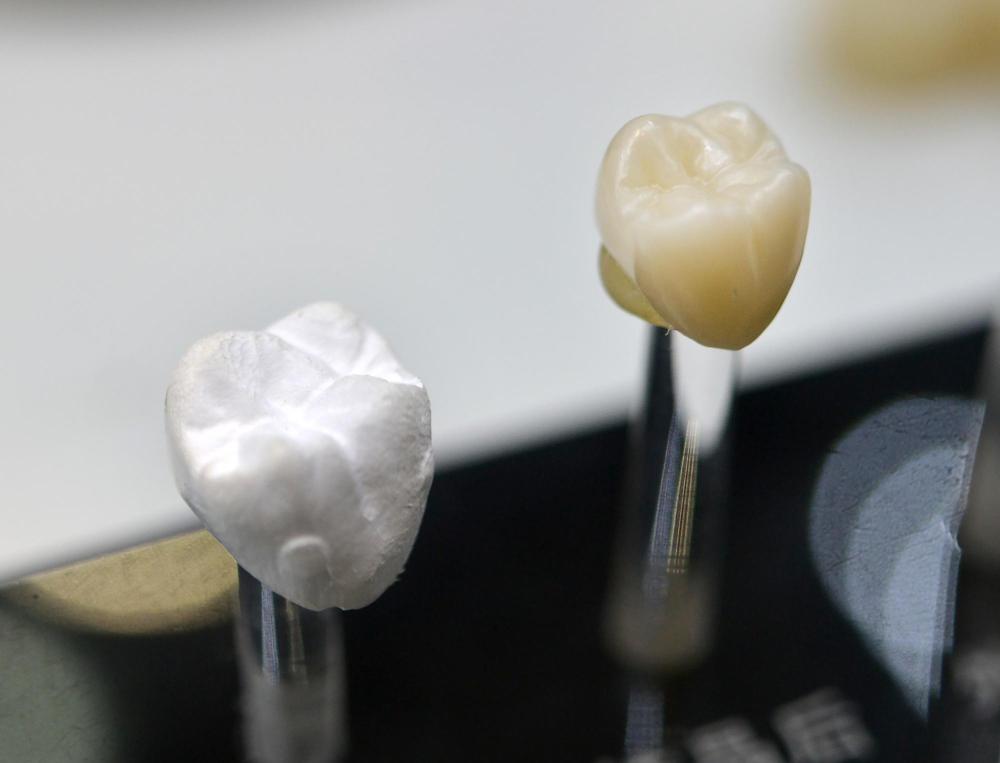
Zirconia has become one of the most popular materials for restoring molars because of its exceptional strength and durability. This advanced ceramic does not require a metal framework and can be fabricated to closely resemble the color of natural teeth.
Modern zirconia is available in several formulations that balance strength with improved translucency. Highly translucent zirconia creates a more natural appearance, while traditional zirconia generally provides greater resistance to heavy chewing forces.
Proper polishing and finishing are important because a rough zirconia surface may contribute to wear on opposing teeth. For many patients seeking a strong, metal-free restoration, zirconia is an excellent choice for molars.
Gold Alloy Crowns
Gold alloy crowns have an outstanding reputation for long-term durability and have been used successfully for decades. They tolerate heavy chewing forces extremely well, require less removal of natural tooth structure than some other materials, and create minimal wear on opposing teeth when properly polished.
Gold also adapts precisely to the prepared tooth and tends to wear at a rate similar to natural enamel.
The primary disadvantage is appearance. Many patients prefer tooth-colored restorations, even for back teeth. Material costs may also fluctuate depending on the price of precious metals. For patients who prioritize function over aesthetics, gold remains one of the most reliable restorative materials available.
Porcelain-Fused-to-Metal Crowns
Porcelain-fused-to-metal crowns combine a durable metal framework with an outer porcelain layer that matches the surrounding teeth.
This design has been used successfully for many years and continues to be an appropriate solution for selected cases. The metal provides structural strength, while the porcelain creates a more natural appearance.
However, the porcelain surface may chip over time, exposing the underlying metal. If gum recession occurs, a dark line near the gum margin may also become visible. Because these crowns require adequate space for both the metal and porcelain layers, preparation requirements differ from other materials. Advances in all-ceramic restorations have reduced their popularity, although they remain a dependable option in certain situations.
Lithium Disilicate and Other Glass Ceramics
Lithium disilicate is valued for its lifelike translucency and highly natural appearance. When properly bonded and used under appropriate bite conditions, it provides excellent strength while delivering outstanding esthetic results.
This material is commonly selected for premolars and molars that are visible when smiling, particularly when appearance is a high priority.
For patients with severe teeth grinding, limited bite clearance, or exceptionally heavy chewing forces, another material may be more suitable. Selecting the right crown depends on the specific clinical situation rather than choosing the material with the highest strength rating.
How We Select a Crown for Your Molar
We examine cracks, previous fillings, nerve health, gum levels, bite contact, and available space. A tooth with extensive damage may need a buildup or other treatment before a crown. If the tooth cannot be saved predictably, dental implants may enter the discussion.
Appearance is also individualized. A crown can be coordinated with neighboring teeth or a broader smile makeover. Our goal is a restoration that looks appropriate, feels comfortable, and respects the biology of the tooth.
Choose Your Molar Crown With Dr. Alex Rubinov
We will explain what clear aligners can realistically accomplish and when specialist orthodontic care may be recommended for a more complex case. Move forward with a clear, personalized plan.
Reserve a consultation to discuss crowded teeth, unwanted spacing, post-treatment relapse, uneven wear, or orthodontic preparation before veneers, bonding, or another cosmetic dental procedure.
Frequently Asked Questions
Is zirconia stronger than porcelain?
Zirconia is generally stronger than traditional glass ceramics, but formulations vary. The best material still depends on thickness, bonding, bite force, and the tooth being restored.
Which crown is best for teeth grinding?
High-strength zirconia or gold may be considered for heavy grinders, but the bite and opposing teeth must be evaluated. A protective night guard is often part of the plan.
Can a molar crown last for life?
No material has a guaranteed lifetime. Many crowns serve for years, but decay, fracture, gum changes, grinding, or changes in the supporting tooth can lead to repair or replacement.