
Quick Summary
Clean your mouth gently using a soft toothbrush on untouched areas starting the day after surgery. Avoid the extraction site completely to prevent blood clots from breaking loose. Rinse carefully with warm salt water instead of spitting forcefully to keep the area safe.
Proper oral hygiene helps your mouth heal quickly without extra pain or unwanted infections. Learning the correct way of brushing your teeth after wisdom teeth removal allows you to keep your mouth clean while keeping the surgical wounds safe. Experienced oral surgeons point out that careful cleaning stops harmful bacteria from growing.
At Dr. Alex Rubinov, we offer top-tier dental solutions tailored to your unique recovery needs. Our skilled team offers excellent attention to detail, making us the premier cosmetic dentists in New York, NY, for maintaining your smile.
Recommended Toothbrush Types for Post-Extraction Care
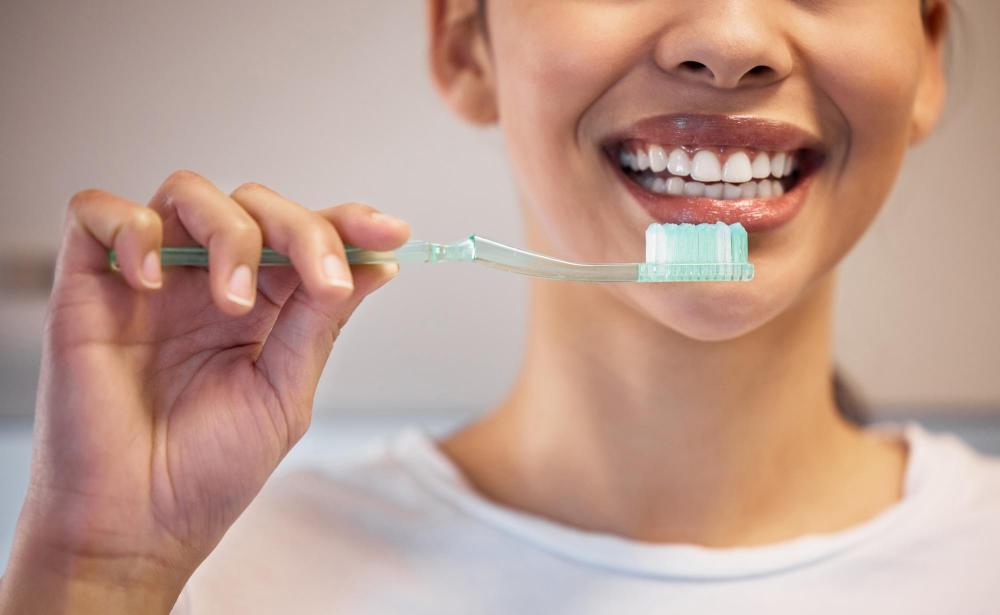
A manual toothbrush with extra-soft bristles is ideal for cleaning your mouth after surgery. Hard bristles can hurt tender gum tissues and disrupt the healing areas. A small brush head allows for better positioning around sensitive areas without touching the wounds.
Avoid electric toothbrushes during the initial days of recovery. The rapid vibrations from an electric toothbrush can easily slip and strike the extraction site. Using a gentle manual tool helps keep the healing zones safe from accidental friction or impact.
Techniques To Avoid Dislodging Healing Blood Clots
Keep the toothbrush far away from the back corners of your mouth where the teeth were removed. Clean your front and middle teeth using tiny, slow circular motions. Move the brush with light pressure to avoid disturbing nearby sensitive tissues.
Never spit out toothpaste suds normally after you finish cleaning. Letting the liquid glide out of your mouth into the sink keeps the blood clot in place. Forceful spitting creates pressure that can pull the clot right out of the socket.
Timing And Frequency for Brushing After Extraction
Wait a full twenty-four hours after your surgery before using a brush in your mouth. Rinsing and cleaning too early can cause bleeding to start again. After the first day passes, resume regular cleaning twice daily to stop plaque buildup.
Clean your teeth after eating meals to prevent food particles from settling near the wounds. Keeping a steady schedule keeps bacteria counts low throughout the healing process. Gentle, regular attention keeps the rest of your mouth fresh without harming the sockets.
Additional Oral Care Tips During Recovery Period
Rinse your mouth with warm salt water multiple times each day after your meals. Mix a half teaspoon of salt into warm water and rock your head side to side gently. This method removes debris from the back areas without force.
Drink plenty of plain water to keep your mouth moist and naturally clean. Avoid using straws completely because the suction is dangerous for healing tissues. Eating soft foods keeps particles from getting trapped in open spaces while your gums close.
Signs You Should Contact Your Dental Provider
Watch for persistent bleeding that does not slow down after applying steady pressure with gauze. Sharp pain that gets worse after a few days is another reason to call. Elevated body temperatures or unusual swelling demand a quick professional evaluation.
Bad tastes or foul odors coming from the back corners indicate potential issues. Noticing these changes means you need a prompt assessment to get back on track. Quick communication with your office prevents minor issues from becoming major setbacks.
Get Ultimate Smile Care at Dr. Alex Rubinov
Achieve a radiant, healthy smile with advanced dental treatments designed for your total comfort. As a leading dental clinic in New York, NY, we offer exceptional smile makeovers, porcelain veneers, and implants. Our team focuses on precision results so you can gain complete confidence. Experience top-tier dental services at Dr. Alex Rubinov by scheduling an appointment with us today.
FAQs
How soon can someone use mouthwash after oral surgery?
Avoid commercial mouthwash for the first week because alcohol irritates open wounds. Stick to warm salt water rinses to keep the area clean. Your doctor can tell you when normal mouthwash is safe to use again.
What happens if food gets trapped in the extraction socket?
Trapped food can cause discomfort and slow down the natural healing process. Do not pick at the site with toothpicks or sharp tools. Use gentle warm water rinses to dislodge the particles safely without causing irritation.
Is tongue brushing safe immediately after removing wisdom teeth?
Brushing your tongue is safe if you stay near the front of your mouth. Do not reach too far back where the brush might glide against the healing gums. A clean tongue helps keep your breath fresh during recovery.