
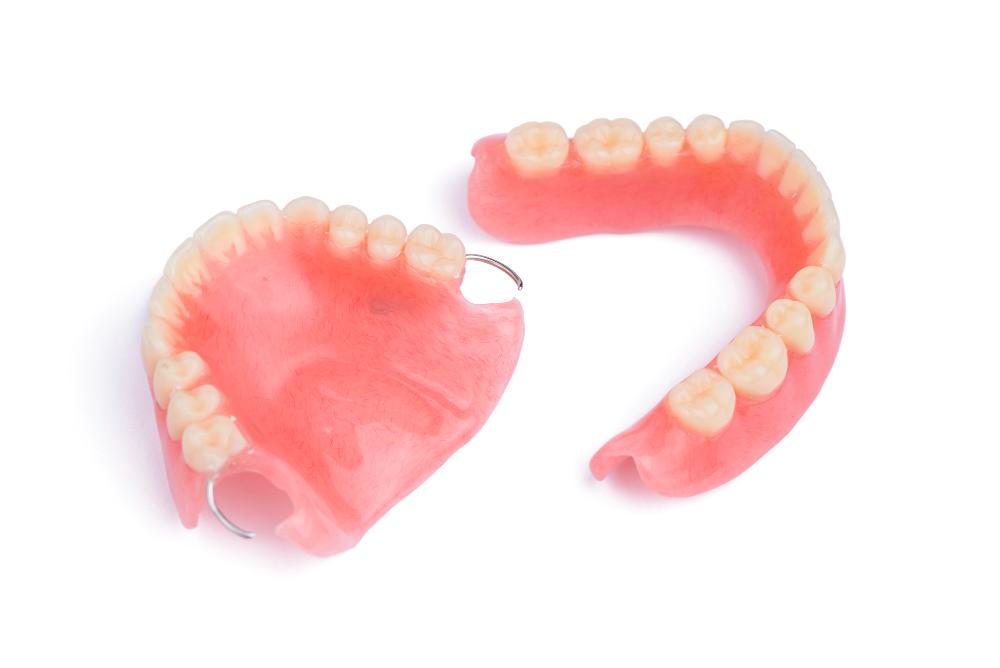
Significant tooth loss affects more than appearance. It impacts oral function, nutrition, and overall quality of life. Understanding when to get dentures helps reduce the risk of further dental complications while restoring confidence in your smile. Dentures replace missing teeth and support chewing, clear speech, and facial structure.
Recognizing changes in your oral health, such as persistent pain, loose teeth, or difficulty with daily functions, can indicate that it is time to consider this restorative solution.
Multiple Missing Teeth
Missing several teeth is one of the clearest indicators that dentures may be necessary. Gaps in the smile can cause remaining teeth to shift, leading to jaw discomfort and changes in facial structure. Over time, these effects may alter your bite and create challenges with eating and speaking.
Dentures fill these spaces and restore function while supporting proper alignment of the remaining teeth. Patients seeking dental implants may also find them beneficial as a more permanent solution for severe tooth loss.
Chronic or Severe Tooth Pain
Ongoing tooth pain that does not improve with treatments such as fillings or root canals may point to advanced decay or nerve damage.
When teeth cannot be preserved, dentures replace the affected teeth and help relieve persistent discomfort. Addressing severe pain early restores comfort and helps limit further decline in oral health.
Gum Issues
Red, swollen, or bleeding gums often indicate periodontal disease. Advanced gum disease weakens the tissues and bone that support teeth, leading to looseness or eventual tooth loss.
Dentures help stabilize the bite and support oral structures, improving both function and appearance. Patients may also benefit from general dentistry care to manage gum health before and after denture placement.
Difficulty Eating or Speaking
Teeth are essential for proper chewing and speech. If you struggle to bite or chew certain foods, you may experience nutritional deficiencies and digestive issues.
Missing or unstable teeth may also affect pronunciation, making speech less clear. Dentures restore these abilities, so patients can eat a broader range of foods and communicate with confidence.
Changes in Facial Appearance
Teeth support facial muscles and help maintain natural contours. Tooth loss can cause cheeks to sink inward and facial features to sag, creating an aged look. Dentures restore facial support and improve balance while maintaining oral function.
Patients seeking additional cosmetic enhancements may consider teeth whitening to complement their restored smile.
Visible Tooth Damage
Teeth that are cracked, broken, or severely worn may not respond well to crowns or fillings. In these situations, dentures serve as a dependable solution by replacing damaged teeth and restoring function and appearance.
They support proper bite alignment, maintain facial structure, and improve comfort when eating and speaking. Dentures address severe damage while enhancing daily quality of life and overall oral health. Knowing when to get dentures allows patients to take action before damage affects surrounding teeth and tissues.
How Dr. Alex Rubinov Can Restore Your Smile
We at Dr. Alex Rubinov’s practice guide patients through denture solutions with personalized care. From partial to full dentures and implant-supported options, we assess oral health and recommend treatments that restore function, comfort, and confidence.
Our approach integrates advanced restorative techniques, so patients can regain their ability to eat, speak, and smile naturally while maintaining overall oral health.