
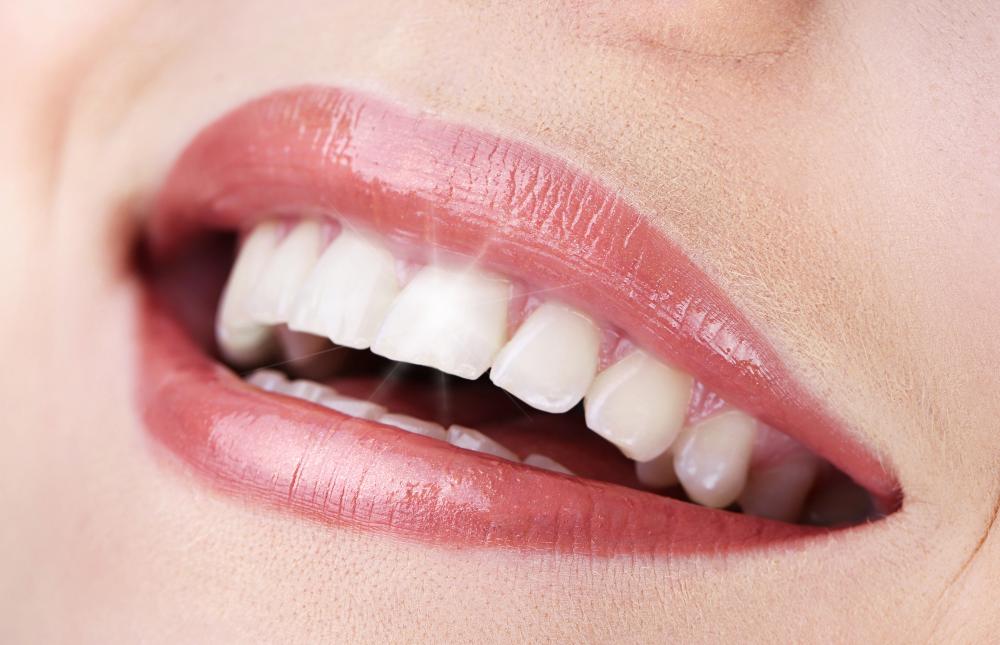
Teeth whitening and teeth bleaching are two treatment options people turn to when looking to improve their smile. But do you know the difference between the two? Both methods aim to lighten your teeth, but they work in distinct ways and serve different purposes.
In this post, we’ll break down teeth whitening vs. teeth bleaching, exploring how each treatment works, which one might be right for you, and the benefits of each.
What Is Teeth Whitening?
Teeth whitening refers to the process of removing surface stains and discoloration from the teeth. This method focuses on lightening the teeth’s natural color, which can become dulled over time due to various factors like food, drinks, and smoking. Whitening products typically contain hydrogen peroxide or carbamide peroxide, which help break down and remove surface stains.
The key thing to know about teeth whitening is that it is effective at removing external stains caused by things like coffee, tea, wine, or tobacco.
If your teeth are simply stained on the surface, teeth whitening can help brighten them and improve your smile without altering the natural color of your teeth. Teeth whitening treatments can be done at home using over-the-counter products or professionally at a dental office.
What Is Teeth Bleaching?
Teeth bleaching is a more intensive treatment designed to lighten teeth beyond just removing surface stains. Bleaching agents, which usually contain stronger concentrations of hydrogen peroxide, can penetrate deeper into the tooth enamel to remove not only external teeth stains but also intrinsic stains that are caused by factors like aging or medication.
Unlike whitening, which focuses mainly on surface-level stains, bleaching is aimed at significantly altering the natural color of the tooth itself.
Teeth bleaching is often recommended for people who have more severe discoloration or want a brighter, more dramatic result. Bleaching is usually performed under the supervision of a dentist to ensure safety and effectiveness, especially when higher concentrations of bleaching agents are used.
Key Differences Between Teeth Whitening and Bleaching
The main difference between teeth whitening vs. teeth bleaching lies in the strength of the treatments and what they are designed to address.
- Teeth Whitening: Primarily designed to remove surface stains caused by external factors like food and beverages. It’s a gentler process that doesn’t change the natural color of the tooth but instead removes discoloration from the enamel.
- Teeth Bleaching: Aimed at altering the natural color of your teeth, bleaching is more effective for deeper stains that cannot be removed by standard whitening methods. It often involves stronger chemicals and can address both extrinsic and intrinsic discoloration.
Which Treatment Is Right for You?
If your teeth are only mildly discolored due to food or drink stains, teeth whitening is likely all you need. This treatment can effectively brighten your smile without the need for harsher chemicals.
However, if you have more stubborn discoloration or have intrinsic stains (such as those caused by aging, medications, or fluoride), teeth bleaching may be a better option. Bleaching is more powerful and can provide more noticeable results, especially for deeper or more persistent stains.
Before deciding on the right treatment, it’s always a good idea to consult with a dentist who can assess your oral health and recommend the most appropriate solution for your specific needs.
How Dr. Alex Rubinov Can Help with Teeth Whitening
At Dr. Alex Rubinov’s office, we offer teeth whitening services to help you achieve the smile you desire. Our professional teeth whitening treatments are designed to safely tackle discoloration while delivering the best possible results. Contact Dr. Alex Rubinov’s office today, and let us help you achieve the brighter, healthier smile you’ve always wanted.