
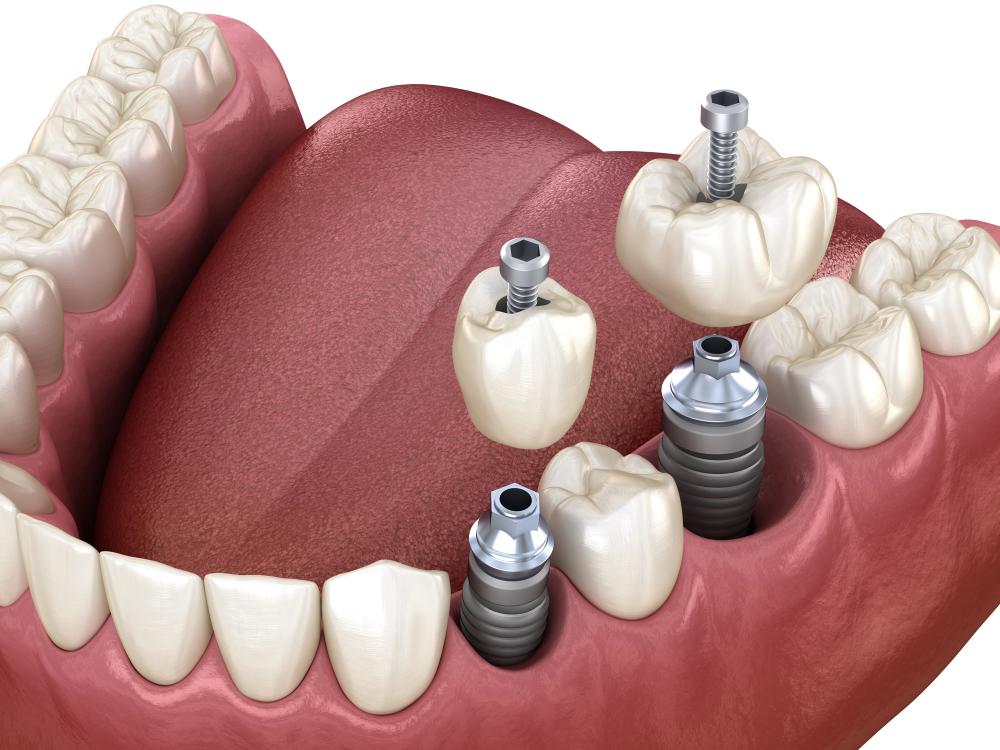
Dental implants are a reliable solution for replacing missing teeth. The healing process is gradual, and knowing the dental implant healing stages can help you manage expectations. Recovery time varies, but most people can expect a predictable healing timeline.
Week 1: Initial Healing and Discomfort
During the first week, your body starts to heal from the implant surgery. You may experience swelling, bruising, and some discomfort around the implant site. It’s normal to have minor bleeding that should subside within a few days.
Pain management is important during this phase. Your dentist will recommend painkillers and offer guidelines for managing the swelling. For the best recovery, stick to soft foods and avoid chewing directly on the implant site.
Week 2–3: Reducing Swelling and Stitches Removal
In the second and third weeks, the swelling will reduce, and any remaining discomfort should ease. By this time, stitches (if used) may be removed, and the gums will begin to heal.
Although the healing progress is encouraging, you should still avoid putting pressure on the implant. Follow your dentist’s oral hygiene instructions carefully, using a gentle rinse to promote healing without irritating the site.
Week 4–6: Bone Integration Starts
The critical process of osseointegration begins during this period. Osseointegration is when the titanium implant fuses with your jawbone, ensuring a stable foundation. While the gums heal, the implant becomes more secure in the bone.
You may still feel some tenderness, but it should be minimal. Follow-up appointments with your dentist will help ensure the implant is healing properly. This is also when your dentist might discuss the next steps in the restoration process, like preparing for a crown.
Week 7–12: Continued Bone Healing
Between weeks 7 and 12, the majority of the bone integration happens. The implant should feel stable, and any discomfort should have significantly reduced.
Although you may feel much better, the bone still needs time to fully bond with the implant. During this stage, your dentist will likely begin planning for the final restoration, such as a crown or bridge.
3–6 Months: Full Integration and Final Restoration
After three to six months, the implant should be fully integrated with your jawbone. The healing process is nearly complete, and your dentist can place the final restoration. Whether it’s a crown or bridge, this step will complete your implant treatment.
With proper care, your implant will feel and function like a natural tooth. Regular check-ups with your dentist will help maintain the health of your implant and overall oral health.
Dr. Alex Rubinov and Your Implant Journey
If you’re considering dental implants, it’s important to work with a skilled professional. Dr. Alex Rubinov provides expert care and will guide you through every stage of your implant procedure. Whether you’re looking for a smile makeover or need help with missing teeth, Dr. Rubinov ensures the best possible results for your implant recovery.
Post-Implant Care and Long-Term Maintenance
Even after your implant heals, ongoing care is vital. Brushing and flossing, along with regular dental visits, will help maintain your implants. If needed, additional treatments like porcelain dental veneers can complement your implant for a more complete smile.