
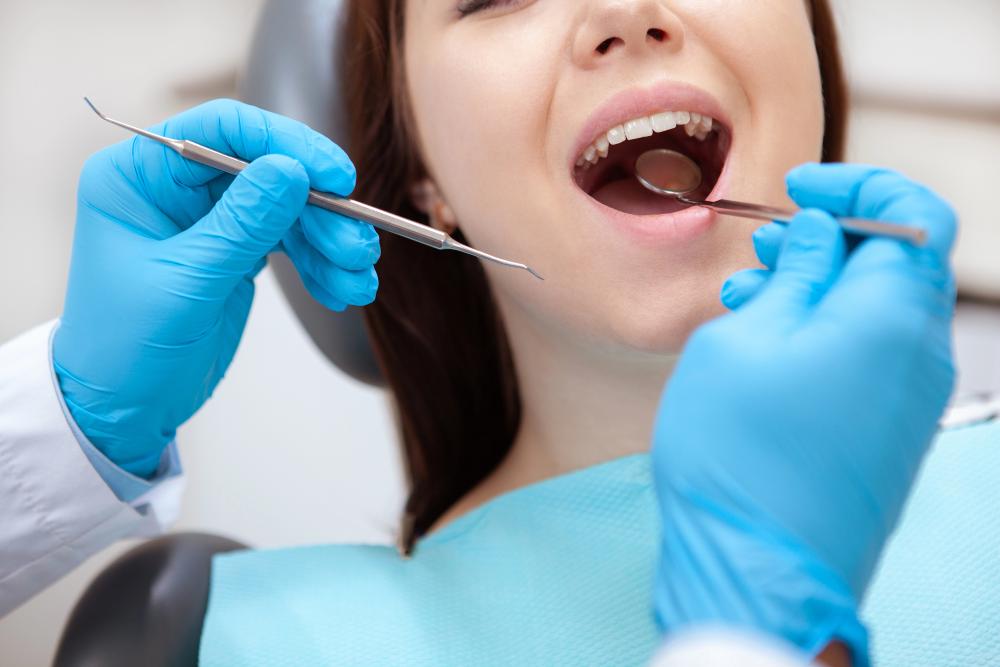
It is not uncommon to leave the dentist with a sparkling smile but also a nagging question: why is there tooth pain after cleaning? This discomfort can be surprising, especially after a routine preventive appointment. The good news is that this sensitivity is usually temporary and stems from a few common sources. Understanding why it happens is the first step toward feeling better.
Exposed Dentin and Enamel Sensitivity
Your teeth are protected by a hard outer layer called enamel. Beneath that is a more porous layer called dentin, which contains microscopic tubes leading to the tooth’s nerve. Over time, a thin layer of plaque and tartar can build up, acting like a blanket.
When a hygienist cleans your teeth, they remove this buildup, briefly exposing the enamel to air, water, and temperature changes. For teeth that already have thinning enamel or receding gums, this fresh exposure can lead to a short period of heightened sensitivity and tooth pain.
Inflammation of the Gums (Gingivitis)
If your gums were already slightly inflamed or tender before your appointment – a condition known as gingivitis – the cleaning process can temporarily worsen that sensitivity. The tools used to remove tartar from around and under the gumline can irritate already sensitive tissue. This is similar to how a sunburn feels more sensitive to the touch. This gum tenderness can often be perceived as actual tooth pain. Consistent general dentistry care helps manage gingivitis and can reduce this type of post-cleaning discomfort over time.
Pre-Existing Conditions Revealed
Sometimes, a dental cleaning does not cause a new problem but rather uncovers an existing one that was masked by tartar buildup. A small cavity, a cracked tooth, or an old filling that is failing may have been shielded by the plaque. Once the area is thoroughly cleaned, the underlying issue becomes exposed and sensitive. In this way, the cleaning acts as a diagnostic tool, bringing a problem to light that needs to be addressed.
Pressure and Vibration from Tools
The professional tools used during a cleaning, such as an ultrasonic scaler and hand instruments, create vibrations and pressure. While entirely safe and necessary to remove hardened deposits, this physical sensation can be uncomfortable. For some patients, especially those who are already prone to sensitivity, this can lead to temporary soreness in the teeth and jaws that subsides a few hours after the appointment.
When to Contact Your Dentist
Mild sensitivity that fades within a day or two is generally not a cause for concern. However, you should contact your dentist if the pain is severe, lasts for more than a week, or is localized to a single tooth. This could indicate a more serious issue that requires treatment, such as a deep cavity or an abscess. It is always better to be safe and get a professional opinion.
At Dr. Alex Rubinov, our team always encourages patients to call with any concerns after their appointment. No question is too small when it comes to your comfort, and we are committed to making sure you feel heard and cared for. For those whose sensitivity is linked to surface stains or minor imperfections, we might discuss options like porcelain veneers in a future consultation to both enhance your smile’s appearance and protect your teeth.