
A bright smile can change how people see you, but stains on teeth can steal that glow. Teeth stains happen for many reasons, some linked to daily habits and others connected to health. Knowing the types of teeth stains helps in choosing the right approach to keep your smile fresh.
How Habits Leave Their Mark
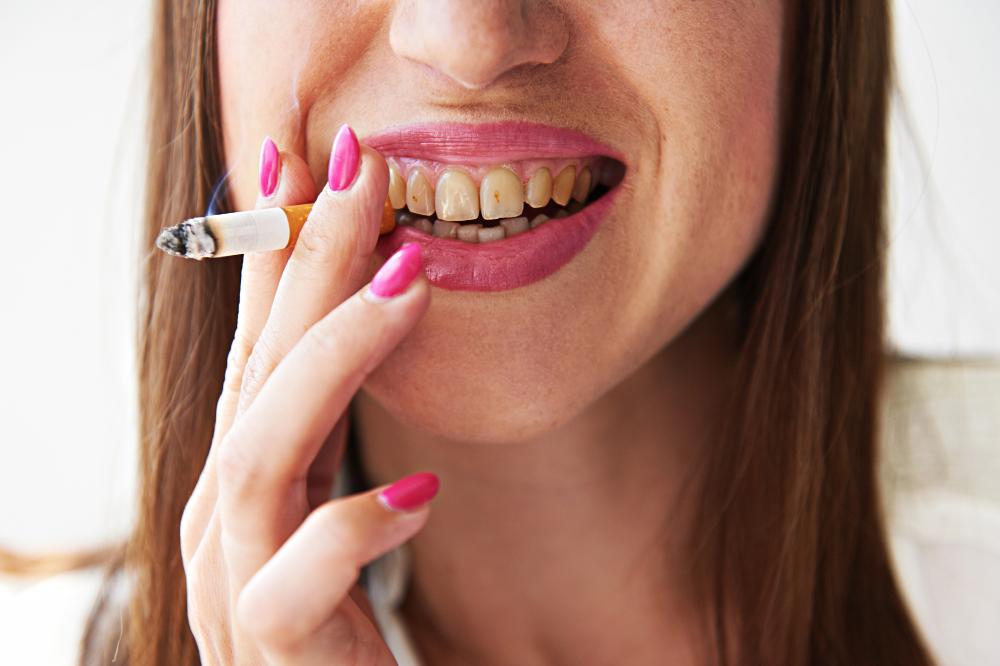
One common cause of tooth discoloration comes from what you consume. Drinking coffee, tea, or red wine frequently can tint teeth over time. Smoking or using tobacco products also darkens teeth and can cause stubborn stains. These stains usually appear on the surface of teeth and are called extrinsic stains.
Foods like berries, soy sauce, and curry also add to surface staining. The pigments from these items cling to the enamel, creating visible discoloration. Brushing and dental cleaning can reduce these stains but might not remove them completely if habits continue.
Hidden Stains from Inside the Tooth
Not all stains sit on the surface. Some develop inside the tooth and show through the enamel, called intrinsic stains. These stains often have a gray, brown, or yellow shade and may occur due to certain medications taken during childhood. For example, antibiotics like tetracycline can cause intrinsic discoloration.
Trauma to a tooth can also cause internal staining. If the tooth’s nerve is damaged, it may darken as it ages. Excessive fluoride intake during tooth development can lead to a condition called fluorosis, causing white or brown spots inside the enamel. These types of stains do not respond well to regular whitening methods.
Health Factors That Change Tooth Color
Certain health conditions and treatments affect tooth color. For instance, chemotherapy and radiation therapy targeting the head or neck can discolor teeth. Diseases that affect enamel or dentin formation also influence how teeth look.
Teeth often turn yellow with age. The enamel thins over time, revealing the dentin underneath, which has a yellowish tint. This change is not a stain but a part of natural wear and tear.
How Oral Hygiene Influences Staining
Lack of proper oral care can speed up stain formation. Plaque and tartar buildup create a rough surface where stains cling more easily. Neglecting regular brushing and flossing allows pigments from food and drink to settle and deepen.
Professional dental cleanings remove tartar and surface stains effectively. Without these cleanings, discoloration worsens, and teeth lose their shine.
Spotting the Different Stains
Extrinsic stains tend to look darker or patchy and appear on the tooth’s surface. Intrinsic stains affect the tooth color beneath the enamel and can cause uneven shades or spots. Some people experience a mix of both, making teeth look dull and uneven.
Knowing which type of stain is present guides dentists in recommending the best treatment. Surface stains respond well to whitening treatments, while internal stains may require veneers or bonding for a uniform look.
Trusted Cosmetic Dentistry for Teeth Stains in NYC
Teeth stains come from many places, from drinks and food to health conditions. Addressing them early keeps smiles bright and confident. At Dr. Alex Rubinov’s NYC dental practice, we address all types of teeth stains with expert treatments like professional teeth whitening and thorough dental cleanings.
Our team understands how lifestyle habits and health factors affect your smile’s color. Using advanced techniques, we remove surface stains and brighten your teeth safely and effectively. Dr. Rubinov’s training and experience make him a trusted choice for cosmetic dentistry in Midtown Manhattan.
Whether you need routine cleaning or specialized whitening, we tailor care to your needs. Call (212) 256-9546 or visit us today to schedule a consultation and start your journey to a cleaner, brighter smile.