
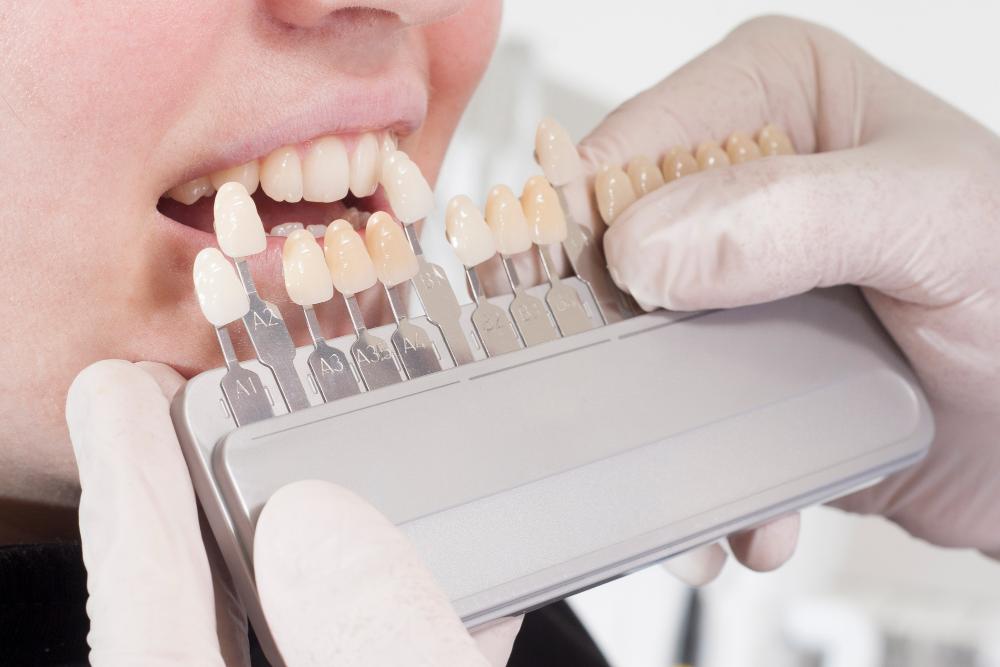
If you are considering improving your smile, understanding the different types of veneer preparation can help you make the right choice. Veneers are thin coverings that are placed over the front part of your teeth to improve their appearance, shape, or color. Depending on your dental needs and the results you want to achieve, there are several preparation techniques that dentists use. By learning about these approaches, you can discuss with your dentist which type will suit your teeth and your lifestyle best.
Traditional Veneer Preparation
Traditional veneer preparation involves removing a small amount of enamel from the surface of your teeth. This creates space for the veneer to fit naturally without appearing bulky. Typically, only 0.3 to 0.7 millimeters of enamel is removed, allowing the veneer to bond securely to your tooth. This method works well for patients with minor discoloration or uneven tooth shapes. Traditional preparation can also accommodate veneers that correct slight alignment issues while maintaining the strength of your natural teeth.
No-Prep Veneers
No-prep veneers are designed for minimal interference with your natural tooth structure. In most cases, your teeth do not need to be filed down, and the veneer can be placed directly onto the enamel. This method is ideal for those who want a subtle change in appearance or have teeth that are already close to the shape they desire. No-prep veneers are thinner than traditional veneers, making them less invasive and often reversible if you decide to remove them later. You should consult with your dentist to determine if your teeth are suitable for this type of preparation.
Minimal-Prep Veneers
Minimal-prep veneers are a middle ground between traditional and no-prep methods. A small amount of enamel is removed, usually less than a millimeter, to allow the veneer to fit without affecting your bite or tooth structure significantly. This method can be used to correct minor cosmetic concerns such as small chips, gaps, or slight discoloration. Because only a limited portion of enamel is removed, your teeth maintain much of their natural strength while achieving a noticeable improvement in appearance.
Custom Layering Techniques
Some veneers require custom layering techniques, which involve precise shaping and contouring of your teeth before placing multiple layers of porcelain or composite material. This preparation method is often used for patients seeking dramatic aesthetic changes or to address multiple dental concerns simultaneously. The layering allows for a more natural look, including variations in color and translucency, making your veneers blend seamlessly with your other teeth. Your dentist will carefully evaluate your teeth and discuss how much preparation is needed for optimal results. Choosing the right type of veneer preparation depends on your dental structure, cosmetic goals, and lifestyle. By discussing these options with your dentist, you can find a solution that fits your needs while enhancing the appearance of your smile. At Dr. Alex Rubinov, our range of cosmetic dental products and services is designed to help you achieve the smile you want. We offer professional guidance and innovative solutions to make your experience comfortable and effective.