
A damaged or missing tooth changes more than appearance. It alters bite mechanics, jaw balance, and long-term oral stability. The discussion around crowns vs. implants often starts after a fracture, infection, or failed dental work forces a decision that carries lasting consequences.
Each option works within very different biological limits. One reinforces what remains, while the other replaces what is gone.
How Dental Crowns Function in Real Cases
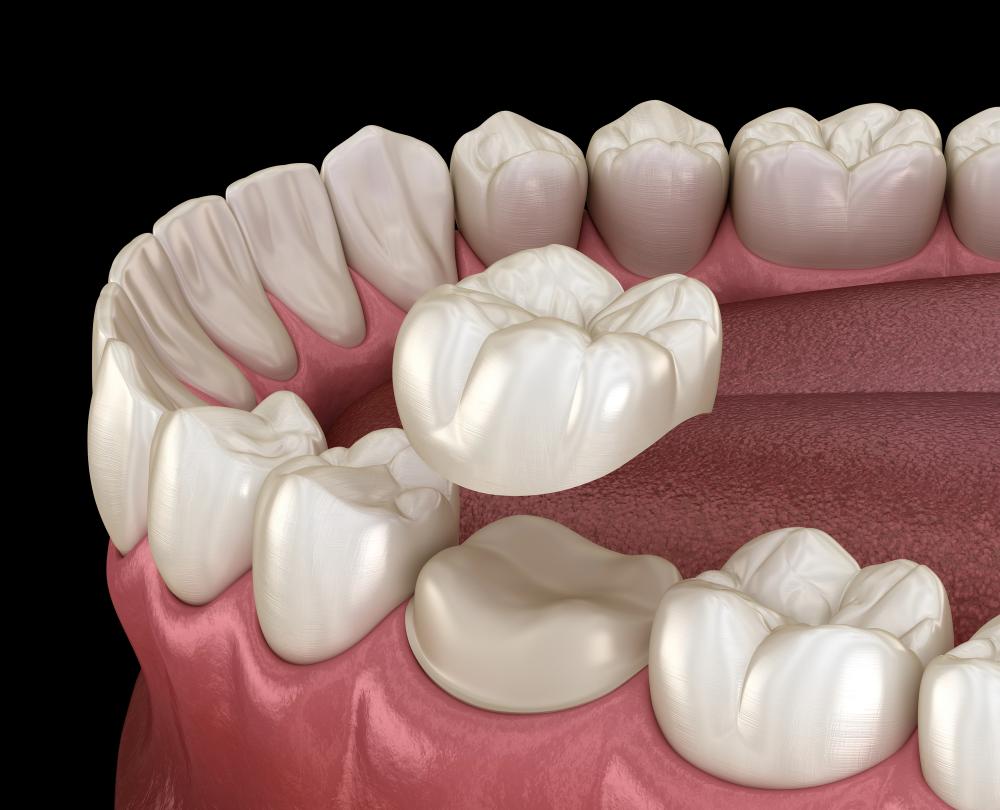
A crown restores strength and shape to a tooth that still has a viable root. This option relies on the remaining tooth structure to anchor the restoration. Following decay removal or root canal therapy, the crown protects the tooth from fracture under normal chewing forces.
Crowns work best when enough healthy enamel and dentin remain to support long-term use. When placed with proper bite evaluation, a crown can stabilize function and aesthetics for many years, though replacement becomes likely over time.
What Dental Implants Replace That Crowns Cannot
Dental implants address a different need. When a tooth no longer exists or cannot support a restoration, an implant replaces the root itself. A titanium post integrates with the jawbone, followed by a crown that restores the visible portion of the tooth.
This method preserves bone density and prevents adjacent teeth from drifting. Understanding crowns vs. implants helps patients recognize that implants solve problems that crowns alone cannot.
Longevity and Maintenance Differences
Crowns experience gradual wear from everyday function. Bite pressure, grinding, and material fatigue influence their lifespan, and many crowns require replacement within one to two decades. Implants follow a different pattern.
While the crown portion may need replacement, the implant post often remains stable for decades when bone support and oral hygiene are maintained. This difference often shifts long-term planning toward implants for missing teeth, particularly in high-function areas.
Time, Healing, and Treatment Commitment
Crowns usually involve fewer visits and a shorter timeline. Tooth preparation, impression, and placement can often occur within weeks.
Implants require patience. Healing time varies based on bone quality, graft needs, and systemic health. The process can span several months. That extended timeline allows bone integration that supports stability under chewing forces.
Patients balancing schedules and recovery expectations often weigh this factor carefully during decision-making.
Bone Health and Facial Structure Considerations
A crown depends on an existing root to stimulate bone. Once a tooth disappears, bone volume begins to decline. Implants counter this process by transferring functional pressure into the jaw, preserving contour and facial balance.
Over time, untreated tooth loss can influence smile symmetry and lower facial height. This distinction plays a meaningful role in aesthetic planning, especially for patients already focused on cosmetic refinement, such as veneers or teeth whitening treatments.
Cost Over Time Versus Initial Expense
Crowns generally require a lower upfront cost. Implants demand a higher initial investment due to surgical placement and restoration complexity.
Long-term costs often differ, as multiple crown replacements, adjacent tooth damage, or bone grafting can increase overall expense. Treatment planning focuses on stability, function, and biological impact rather than short-term numbers.
How We Help Patients Make the Right Choice
At Dr. Alex Rubinov, DDS, we help patients navigate crowns vs. implants by evaluating tooth structure, bone support, and long-term goals. Our treatment planning focuses on stability, aesthetics, and comfort, allowing each restoration to support natural function while enhancing confidence through thoughtful, patient-centered care.