
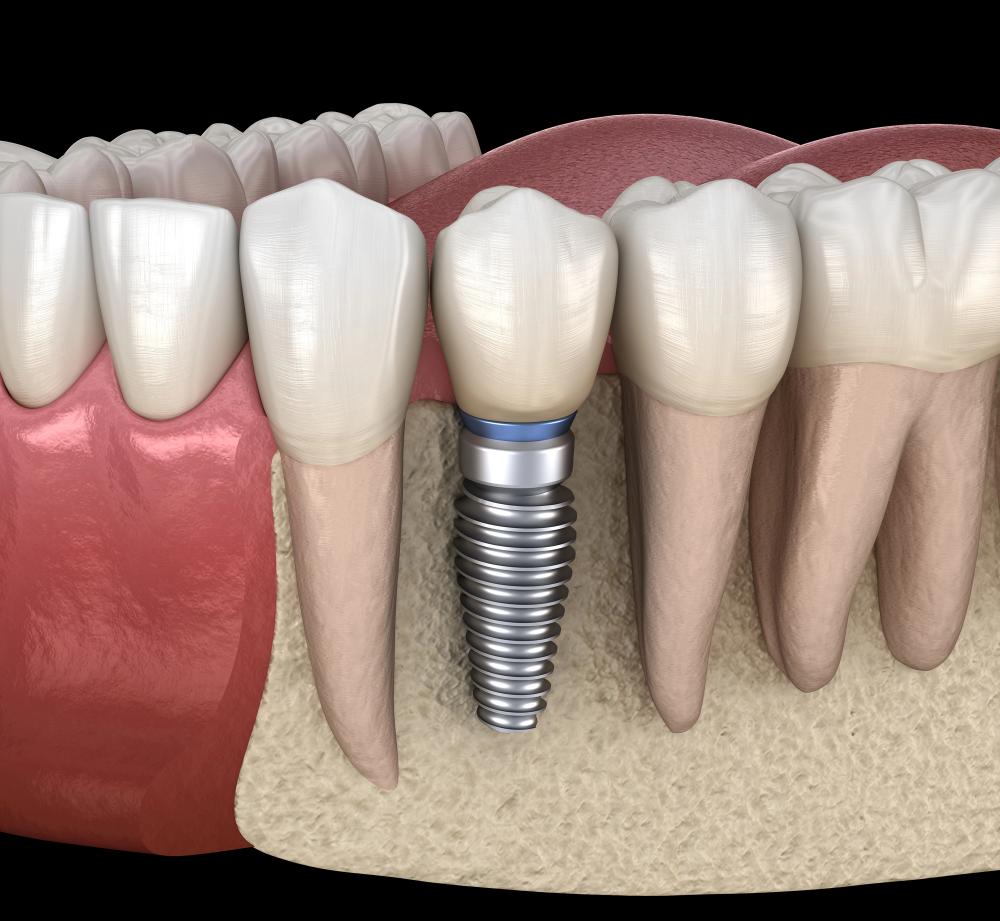
When you are considering replacing a missing tooth, dental implants offer a permanent and natural-looking solution. But a common question we hear is about the difference between ceramic vs. titanium dental implants. Both are excellent options, but they are made from different materials and have unique strengths. Understanding these can help you have a more informed conversation with your dentist about what is best for your smile.
The Classic Choice: Titanium Implants
Titanium implants have been used for decades and are considered the gold standard in implant dentistry. The metal titanium is biocompatible, meaning it fuses with your jawbone through a process called osseointegration. This creates an incredibly strong and stable foundation for your new tooth.
Because of their long track record and proven success, titanium is often the go-to material for many dentists. These reliable dental implants are a cornerstone of modern tooth replacement, trusted for their ability to last for many years.
The Modern Alternative: Ceramic Implants
Ceramic implants, often made from zirconia, are a newer, metal-free option. They are valued for their tooth-like color, which gives them a clear aesthetic advantage. The white color of the zirconia implant post means there is no risk of a dark metal line showing through your gums, which can be a concern for people with thin or receding gum tissue.
For patients looking for a highly aesthetic, metal-free solution, ceramic implants are a compelling choice. Their one-piece design can also help in maintaining healthy gums.
Comparing Strength and Biocompatibility
Both materials are strong and biocompatible, but in slightly different ways. Titanium is known for its exceptional strength and durability, making it suitable for all areas of the mouth, including the back teeth that handle the most chewing force.
Its ability to bond with bone is well-documented over many years. Zirconia ceramics are also very strong and resistant to corrosion. They are hypoallergenic, making them an ideal option for the very small number of patients with metal sensitivities or allergies who prefer a metal-free body.
The Aesthetic Factor
This is where the biggest difference lies. A titanium implant has a grayish metallic color. While it’s placed below the gum line, in some cases where gums are thin, this can sometimes create a faint gray shadow over time. A ceramic implant is white from the post to the crown, seamlessly blending with your natural teeth and gum tissue.
This can be particularly important for front teeth, where the aesthetic is most visible. This focus on a flawless look is similar to the goals we have when placing porcelain veneers, where the color and translucency are matched perfectly.
Making the Right Decision for You
So, which one is the better option? The answer depends entirely on your individual needs. Titanium implants have a long-proven history of success and are incredibly reliable. Ceramic implants offer superior aesthetics and are a perfect metal-free alternative.
The decision involves weighing factors like durability, aesthetics, and your personal health considerations. For patients who have struggled with gum recession or are simply looking for the most natural-looking root structure, zirconia can be an excellent choice.
Guidance from a Professional
Choosing between these two high-quality options is a significant decision. The best way to make a choice is through a detailed consultation with a dental professional who can assess your specific situation. At Dr. Alex Rubinov, we take the time to explain all these factors.
Our team considers your oral health, aesthetic goals, and any personal preferences to guide you toward the best option for your long-term health and happiness. We are dedicated to helping you understand every aspect of your care, making sure you feel confident in your decision to restore your smile and your ability to eat and speak with comfort.